Group Sustainability
As the Tata Group sets ambitious targets for environmental
sustainability, our businesses not only align with India’s climate
action vision but also actively lead the global endeavour to
combat climate change and drive environmentally responsible
growth. Our close alignment with the Group’s mission to
significantly reduce India’s energy imports and bolster selfreliance through waste repurposing and the utilisation of
locally available renewable resources, is guided by the Tata
Sustainability Group (TSG), which serves as a Centre of
Excellence for sustainability within the Tata Group.
Project Aalingana
The Tata Group’s sustainability strategy is guided by Project
Aalingana, driven by the vision to protect the planet and
build the future through tomorrow’s technologies. Building
on deeply ingrained principles of social and environmental
responsibility, Project Aalingana aims to position the Group
among global sustainability leaders.
Project Aalingana is committed to embedding sustainability into
our business strategy, focusing on three inter‑connected pillars:
Driving Net Zero
Net Zero by 2045
(Including Scope 3 emissions)
Pioneering Circular Economies
Zero Waste to Landfill by 2030
Preserving Nature and Biodiversity
Achieve Leadership
in thriving Indian NbS market by 2030
Sustainable Construction Practices
At Tata Projects, our environmental strategy prioritises material
management, sustainable material adoption, advanced
modular construction techniques and optimised water and
waste management. To this end, we have implemented robust
material management systems to ensure optimal resource
utilisation across all operations, thereby advancing the circular
economy agenda. We also foster a sustainable supply chain
through the selection of green vendors. This comprehensive
approach to sustainable construction rests on three core pillars:
Redesign
- Optimised designs and construction methods,
sustainable construction
- Technology and change in the material mix
Reduce
Reduce material consumption and wastage
Reuse
Recycle building material and other resources
Tata Projects adopts sustainable construction practices,
prioritising judicious natural resource use, minimal
environmental impact and ecosystem preservation.
We conscientiously invest in sustainable operations,
acknowledging the importance of our natural capital. Our
initiatives aim to achieve tangible outcomes and proactively
limit our environmental footprint through robust resource
conservation efforts.
Environmental Initiatives
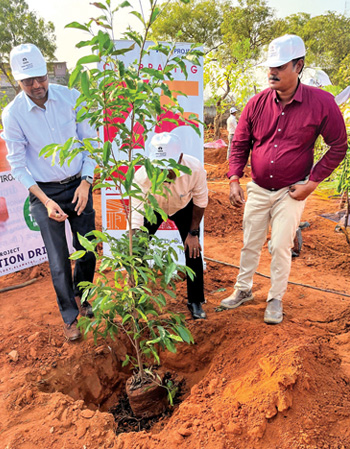
Green Thumb
Launched in 2016 on World Environment Day, Tata Projects’
Green Thumb initiative aims to restore India’s green cover and
mitigate climate change impacts. Evolving from an employee
engagement effort into a comprehensive environmental
conservation drive, Green Thumb operates on a unique ‘You
click, we plant’ online participation model. Citizens pledge to
plant a tree via its microsite, with clicks directly attributed to
trees planted at our project sites across India.
This initiative, enabling easy participation and tree dedication,
garnered nearly two Crore (20 Million) participants globally
through its WhatsApp campaign. Covering over 100 project
sites nationwide with simultaneous tree plantation drives,
Green Thumb has successfully planted approximately 4.7 Lakh
(4,70,000) trees in the last five years.
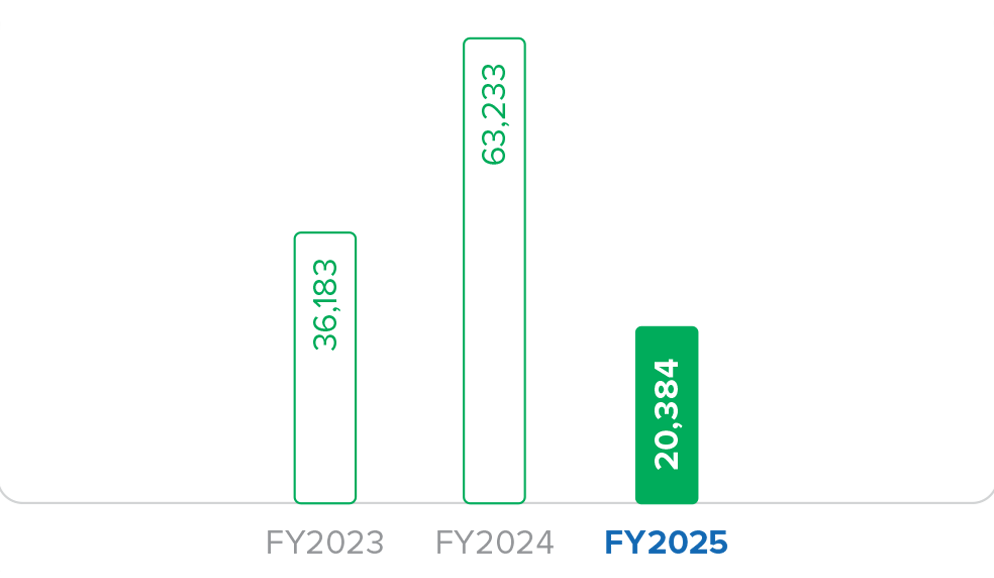
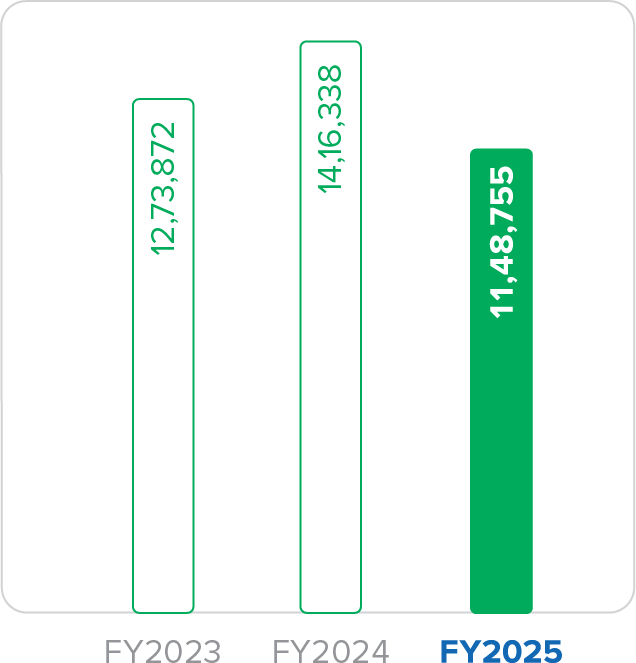
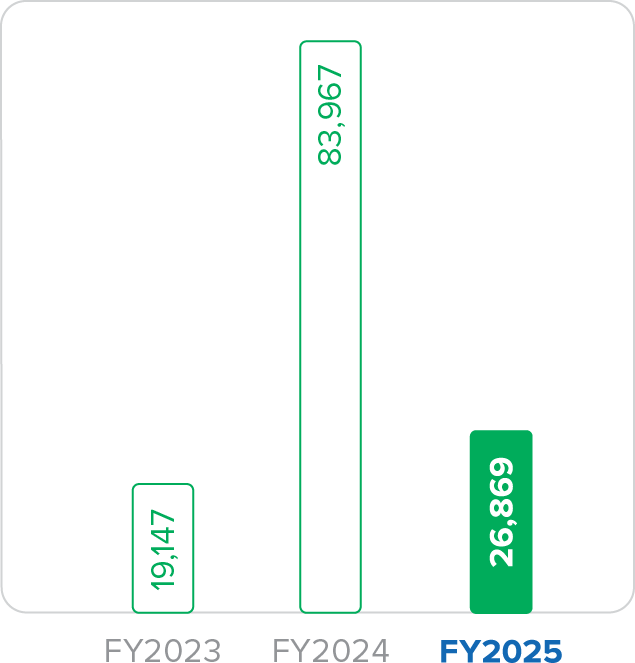
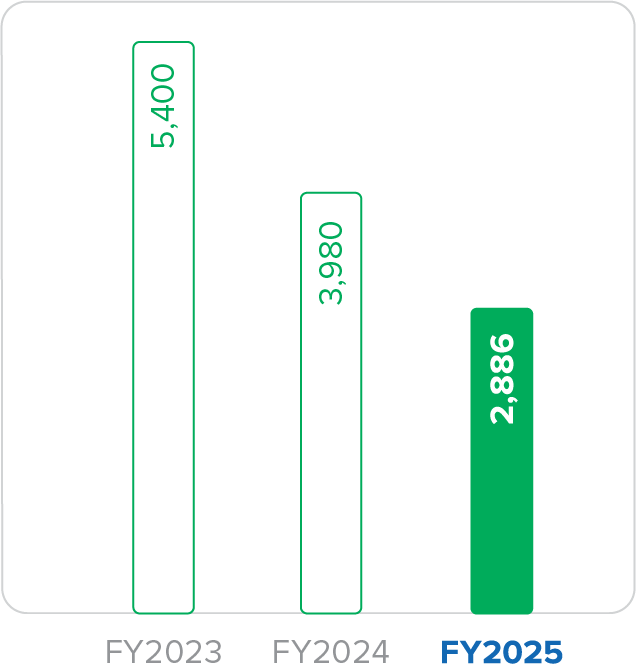
Total Saplings Planted (nos.)
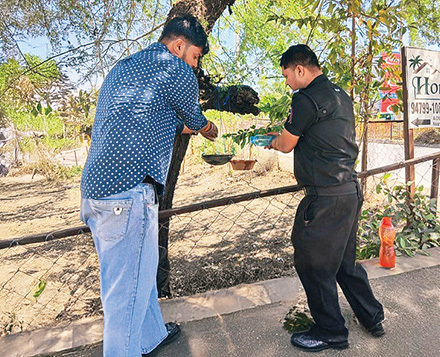
Plantation Drive 
Electric Boom Placer
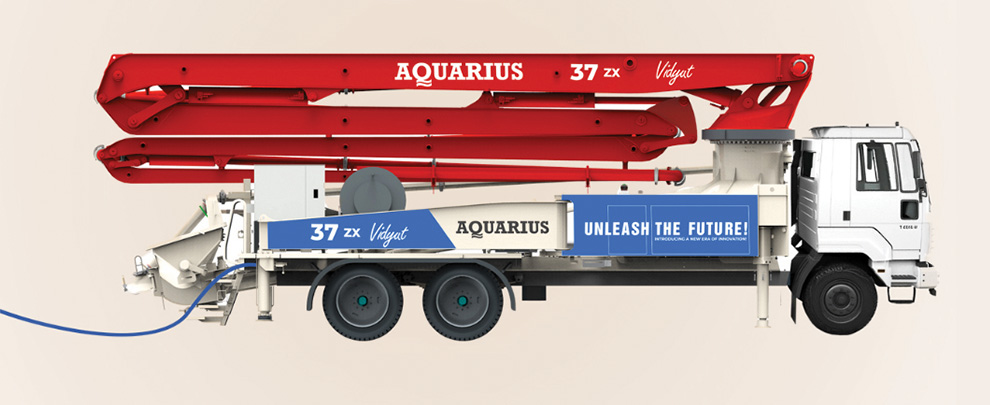

India’s First Electrically Operated Concrete Boom Placer
Aligned with our vision of ‘Delivering Predictable
and Sustainable Projects through Innovation and
Technology’, we have developed a sustainable
construction practice. Our innovative Boom Placer,
developed in collaboration with Aquarius Engineers,
replaces diesel operated electric motors, marking
a significant milestone in green construction
technology. This Boom Placer is deployed in our
coal vertical project at Kalinganagar.
Key Highlights
Zero Diesel Consumption: 793 GJ potential energy
saving per annum in comparison with equivalent
diesel operated boom placer
Cleaner Air: Significant reduction in air pollution
30% Lower Operational Costs: Enhanced energy
efficiency and cost savings
Improved Mobility: Cable reel drum for seamless
power source shifts
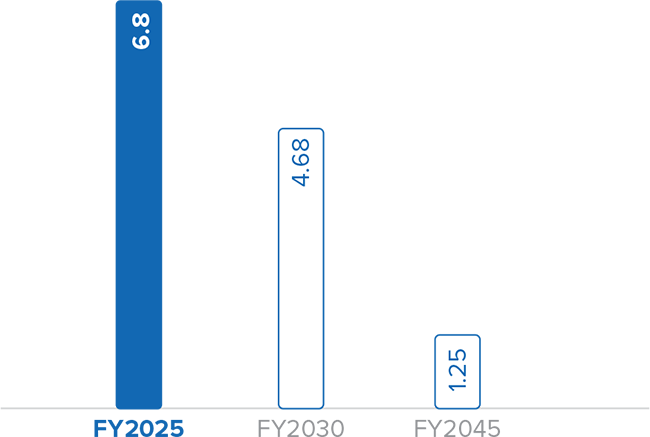
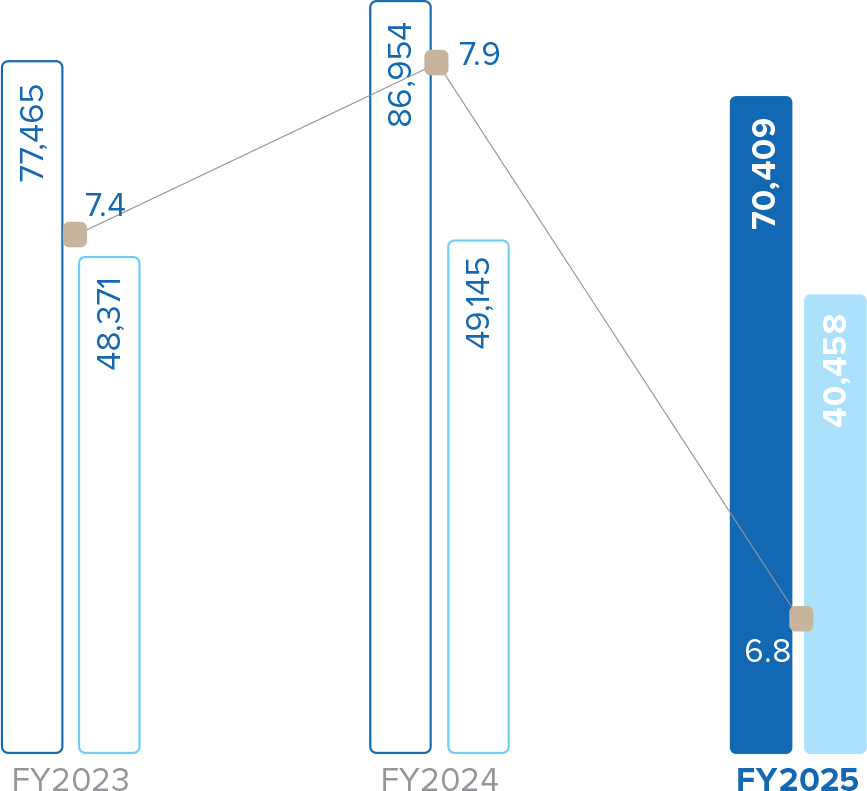
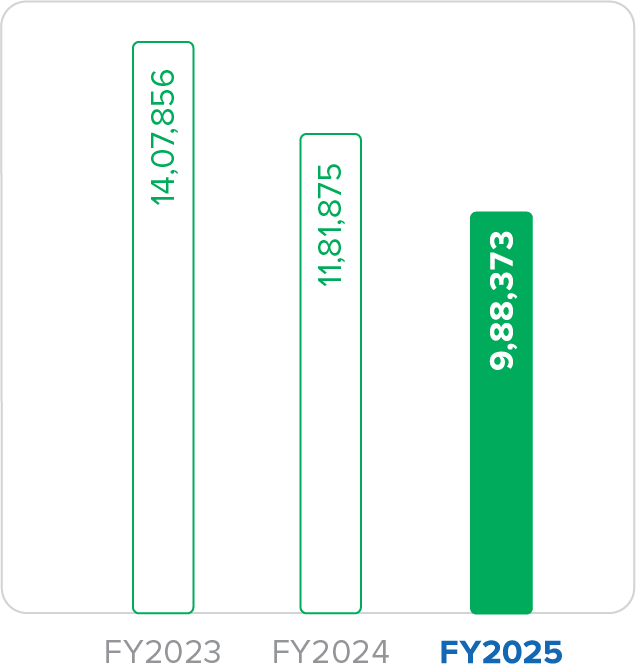
Emission Profile
*Scope 1 and 2 emissions have been
audited by a third-party
708 tCO2e
GHG emission reduction in FY2025
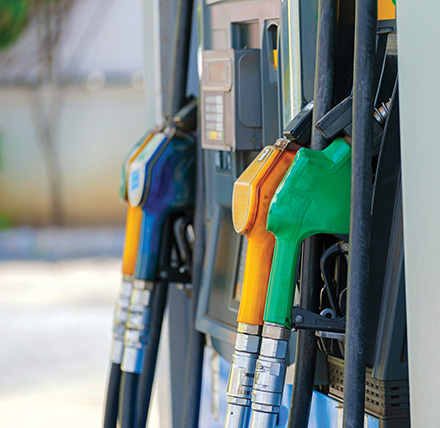
Biodiesel Initiative at Meerut
Garhmukteshwar Road
Recognising the crucial need to reduce fossil fuel
consumption and minimise the environmental
impact of road projects, we launched a pilot
biodiesel initiative for the Meerat-Garhmukteshwar
road project. It focused on the utilisation of
biodiesel, a renewable and cleaner alternative
derived from repurposing of used cooking oil. The
initiative was undertaken in collaboration with
CSIR-IIP Dehradun, in alignment with broader
initiatives for the development of sustainable
aviation and automotive fuel.
We sourced high-quality biodiesel from IIP
Dehradun, followed by onsite blending for direct
utilisation in machinery like generator sets and
earthmovers. The pilot has demonstrated several
positive outcomes, including a direct reduction
in fossil fuel consumption (970 litres of biodiesel
used), seamless operational efficiency and
substantial environmental benefits by supporting
circular economy practices. The success of this pilot
project serves as a clear roadmap for scalability,
as we plan to replicate the process across multiple
sites to promote renewable energy usage in
large‑scale infrastructure projects.
Tata Electronics Factory in Hosur
Site Best Practices for Air Quality
- Ambient air quality is regularly monitored by NABLaccredited labs, measuring pollutants such as SO2,
NO2, PM10, PM2.5, CO, NH3, CH4 and C6H6 over
continuous 24-hourly cycles, aligning with National
Ambient Air Quality Standards and CPCB guidelines
- Air quality data is publicly displayed at project site
entrances, complemented by the installation of PTZ
cameras for environmental surveillance
- In NIAL site, retrofitted emission control devices in
DG sets have been installed as well
- Mist spray guns to control dust
- Real-time Air Monitoring Units (AMIU) at
strategic locations
- NABL-certified ambient air and noise monitoring
- Use of noise barriers and meters to manage site
noise levels
- Dust mitigation measures include mist guns,
various filters and arrestors in batching plants, wind
barriers. In addition to these, in our NIAL sites, there
has been in-house modification of conventional
water tankers into advanced sprinkling systems.
This has resulted in effective dust control. It has also
reduced water and fuel usage due to lesser number
of tanker trips
Site Best Practices for
Carbon Footprint Reduction
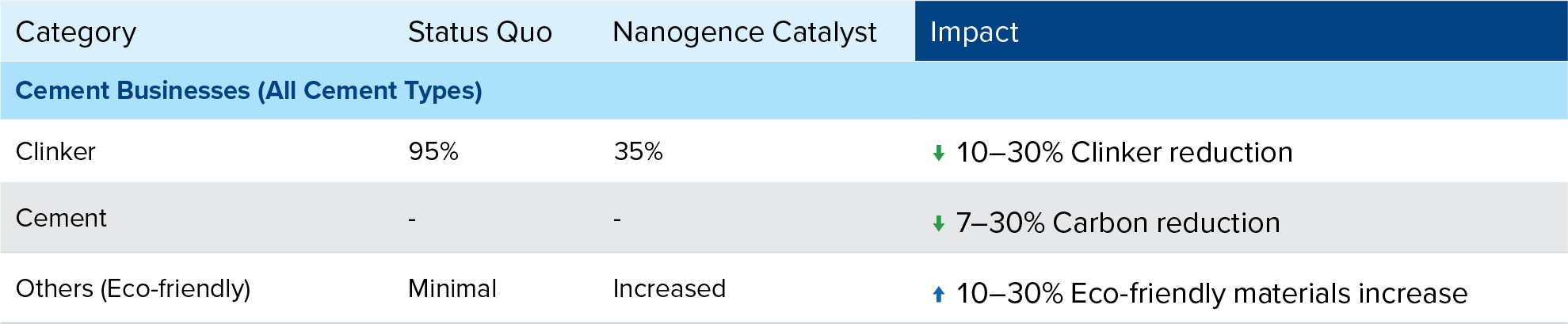
- Use of M-sand, fly ash and GGBS in construction
- Use of Nanogence Admixture in concrete
- Promoted resource efficiency and reduced waste
- Green Infrastructure: In-house batching plants,
solar lights, biogas digesters and organic
waste converters
- Preference for green vendors and local
procurement to minimise transportation emissions
and incorporate engineering innovations to reduce
carbon footprint and environmental impact
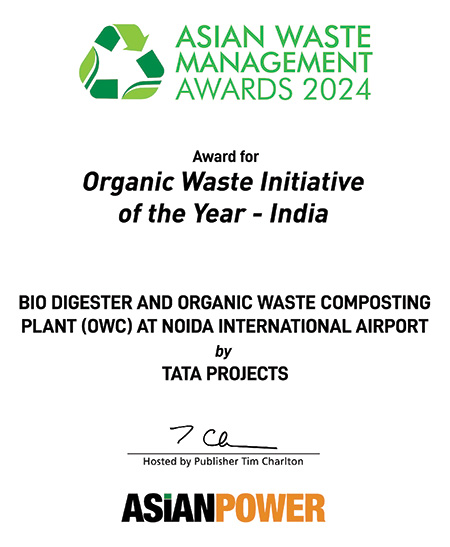
- Additionally, an in-house Biogas Digester and
Organic Waste Converter have been established
at our NIAL site, which fuels the kitchen at the
labour camp
- Used saw dust and paddy stubble in organic waste
converter as feedstock catalyst
- Topsoil preserved during excavations and used for
landscape development at the site

Energy Management
We actively devise strategies to manage
energy consumption and emissions.
Our comprehensive focus on energy
conservation integrates Technological,
Operational and Behavioural upgrades,
including the implementation of APFC
panels, LED lighting, VFD-controlled hoists
and cranes, inverter welding machines and
grid power optimisation. We also strategically
invest in renewable energy sources like
rooftop solar systems and solar streetlights,
leveraging technology for efficient energy
monitoring and diesel distribution, which
collectively yield substantial savings and
environmental benefits.
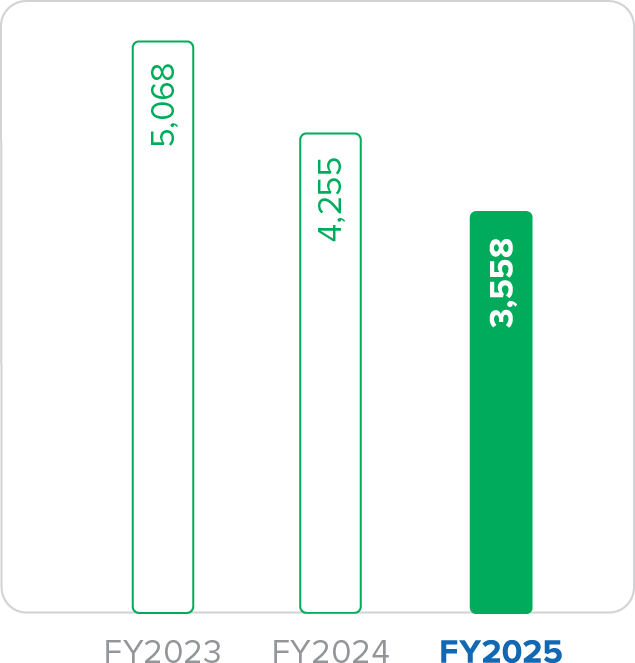
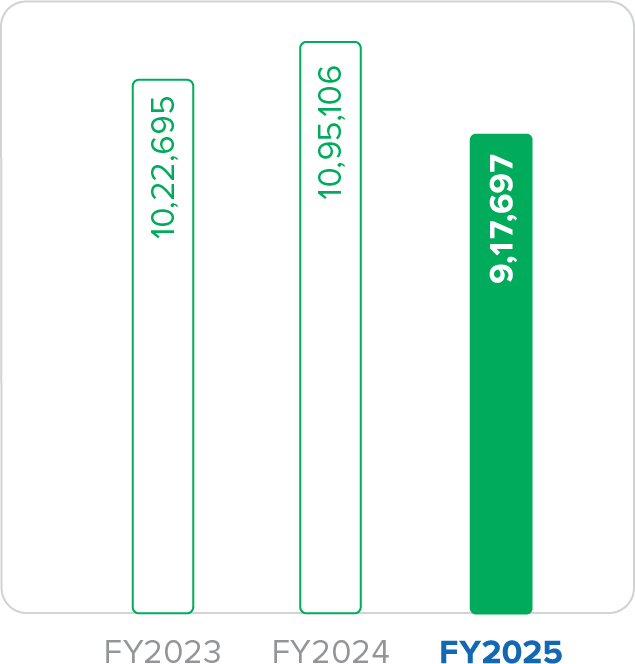
- Our renewable energy consumption across sites was
around 3,558 GJ in the reporting year.
- Following measures have been implemented for
utilising alternate sources of energy.
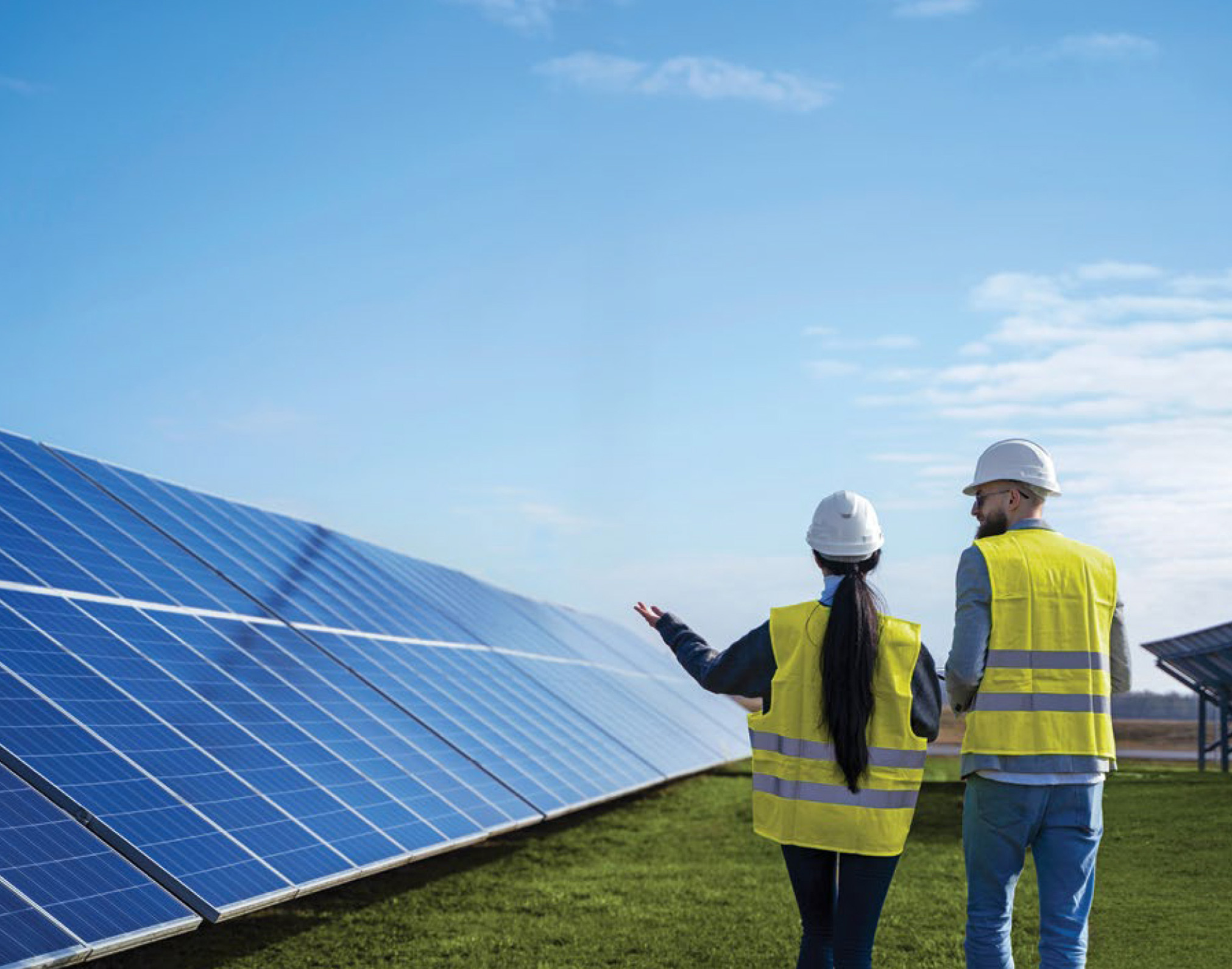
- Overall Renewable Energy (Rooftop solar) production
at enterprise level is 988 MWh from installed solar
capacity across sites and TMU.
- Usage of automatic, fully integrated solar streetlights.
Implemented 20 pilot projects with Auto-On/Off,
scheduled auto-dimming and auto-motion sensor.
- Introduction of RFID Tag-based diesel bowser at
all major sites, with a potential of 6% savings in
diesel consumption.
- Electrically operated boom placer deployed in Coal
Vertical Building Project, Kalinganagar replaced the use
of diesel with electric motors, setting a new benchmark
in green construction technology.

Implemented Automatic Power
Factor Correction (APFC)
panels, maintaining an average
power factor of 0.97 across
sites, resulting in energy
savings of 7%

Operated 98% of all
projects on grid power

Ensured 100% of all lighting
across projects are of the
energy‑efficient LED type
90% of our installed
Tower Cranes operate
with VFD Control
Utilise 100% energy-efficient inverter type welding
machines, eliminating magnetic and heat loss
associated with conventional transformer-type
machines

Installed 2,030 energy-saving Brushless Direct Current
Motor (BLDC) wall-mounted fans in new labour camps,
abating approximately 50% energy consumption
Alternate Material and Modular Construction
We are committed to sustainable practices that drive
meticulous material management, emphasising reduction,
reuse and prudent allocation of resources across all our sites.
We utilise M-Sand, derived from recycled construction and
demolition (C&D) waste, as a natural sand substitute, thereby
reducing waste to landfill. Additionally, crushed sand serves
as a viable alternative to river sand, mitigating mining impacts.
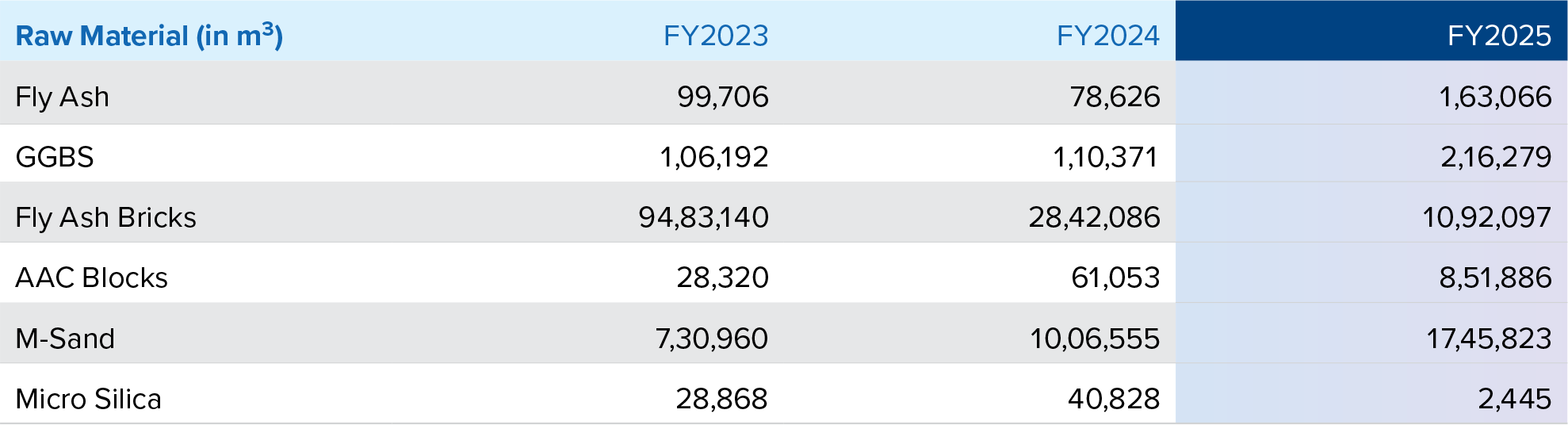
To diminish reliance on natural resources and minimise our
environmental footprint, we advocate the use of alternative
materials like Fly Ash, GGBS, Fly Ash Bricks, AAC Blocks and
PPC cement. Sourced from industrial waste, these materials
offer economic viability, require significantly less energy for
production and effectively mitigate toxic emissions.
We employ modular construction techniques, such as pre‑cast
and prefabricated elements, to streamline processes, bolster
productivity and minimise material wastage. Furthermore, we
integrate Value Engineering and Lean Engineering principles,
leveraging Building Information Modelling (BIM) systems
and advanced software, to enhance precision, optimise
material costs and reduce waste. Structural and design
analysis, coupled with safe construction methodologies and
meticulous material calculations, further diminishes material
dependency and eliminates rework, ensuring highly efficient
and sustainable construction practices.
We utilise Manufactured Sand (M-sand) as a substitute for river sand in all applicable civil works and it helps reduce dependence
on natural resources. In FY2025, 66% of concrete was produced using M Sand and 67% of concrete was produced with Fly Ash/
GGBS to reduce cement content in concrete.

Water management
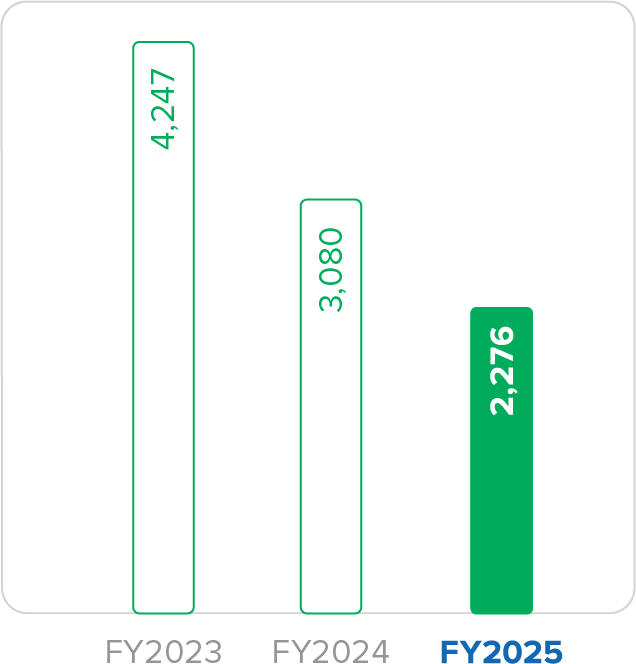
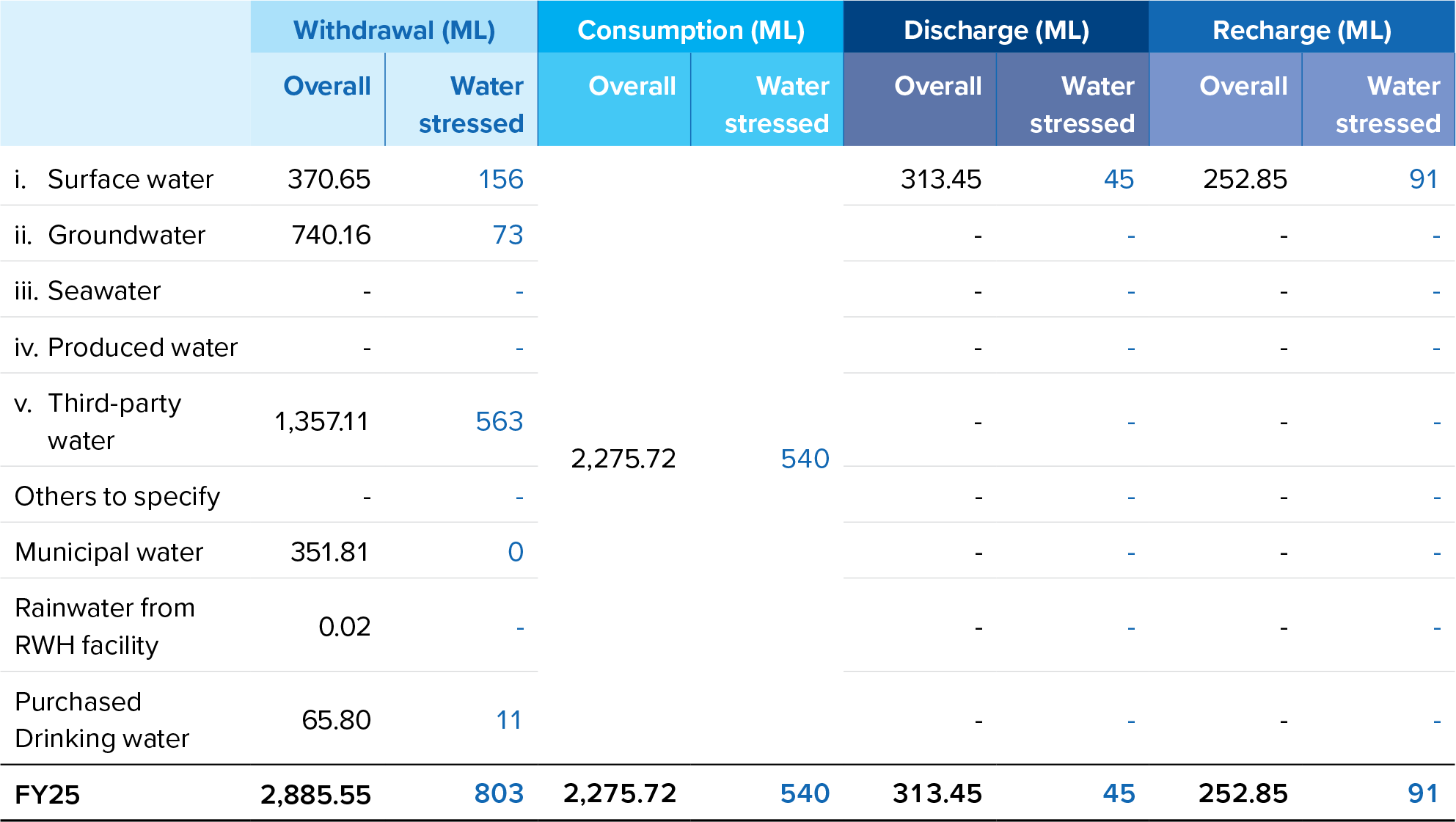
We implement comprehensive water
management strategies to minimise
consumption, prevent pollution and
ensure responsible resource use during
construction. Our project Key Performance
Indicators (KPIs) are strategically aligned
with Project Aalingana’s ambitious goals:
to achieve water neutrality by 2030 and
replenish more freshwater than consumed
by 2040. To achieve this, we are making
progress to achieve 100% recycling and
reuse of wastewater by 2030, alongside
other initiatives aimed at reducing overall
water withdrawal.
Our water conservation efforts include initiatives such as:
- Installation of Sewage Treatment Plants (STPs) at
labour colonies
- Bio-blocks at urinals
- Admixtures and curing compounds in concrete
- Drip curing, curing water pump synchronisation and reuse
RO reject water for dust suppression and vehicle washing
Site Best Practices on Water Management
- Daily water consumption tracking and third‑party audits
ensure compliance with IS: 10500:2012 standards
- Conservation Measures:
- Installation of STPs and ETPs for wastewater
treatment
- Use of treated water for sprinkling, construction,
curing and landscaping
- Reduction in water consumption by using curing
compound and admixtures
- Using RO reject water in flushing and
domestic purpose
- Use of advance water tankers modified
and installed with mist spray on tanker periphery to
enhance sprinkling coverage and reduce tanker trip
- Implementation of rainwater harvesting systems
- Deployment of IoT devices for real-time water
consumption monitoring
- Preparation of water balance and wastewater
utilisation charts
- Use of curing compounds and admixtures to reduce
water consumption
- Installation of inlet/outlet water meters at STP, RO
plants and sedimentation tanks
- Reuse of treated water for gardening, wheel washing
and dust suppression
- Utilisation of RO-rejected water for utensil washing
(post-testing)
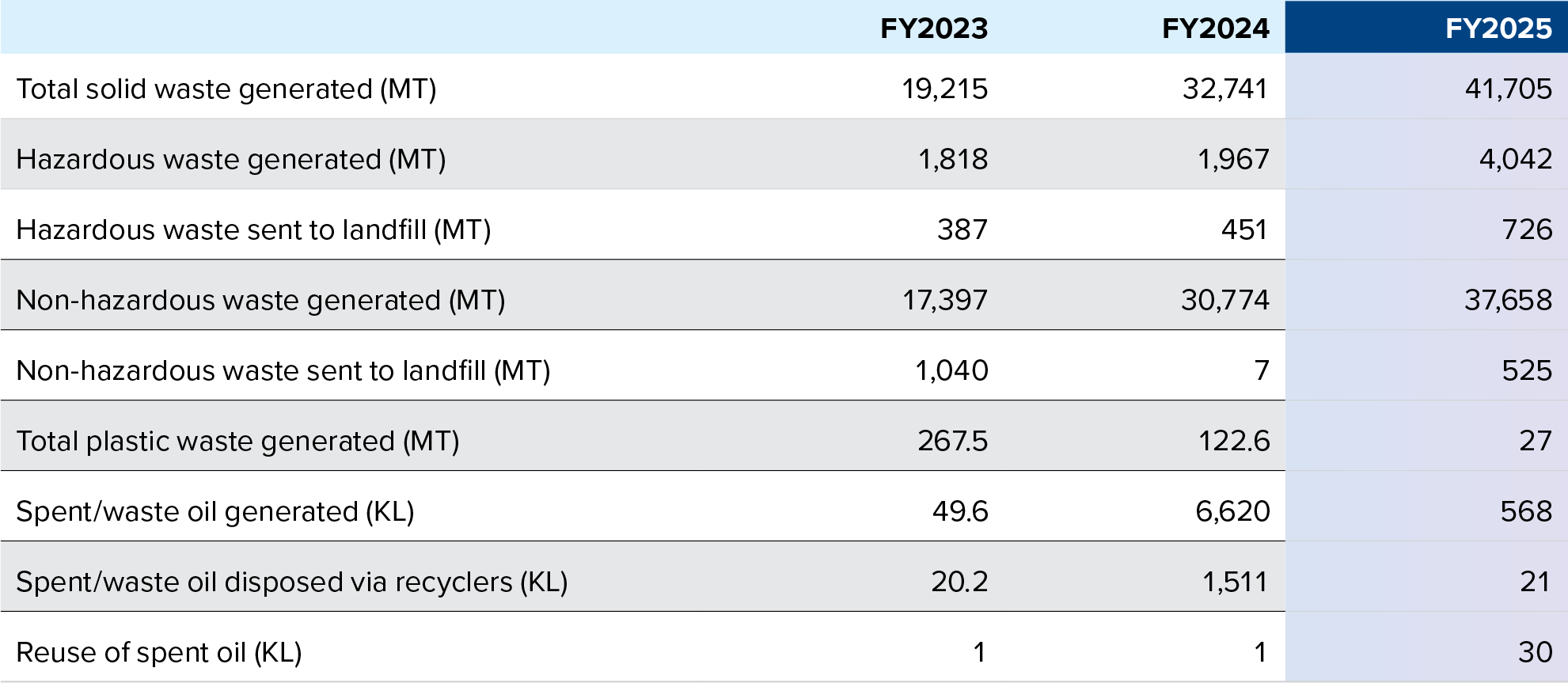
Waste Management
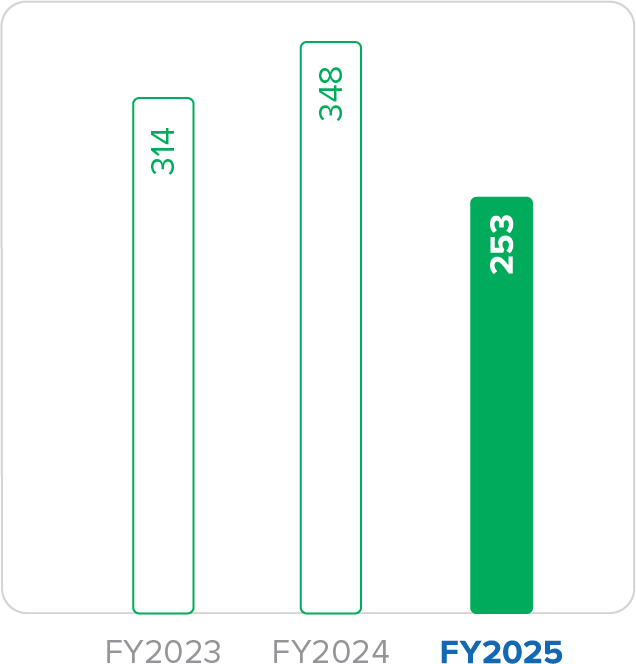
We rigorously control waste management
across all operational stages, aligning
with Project Aalingana’s ambitious goal
of achieving Zero Waste to Landfill by
2030. Our strategy for reuse and recycling
begins with meticulous procurement,
ensuring order quantities strictly adhere
to RFC drawings during execution. This
eliminates chances of over-procurement.
We systematically track both hazardous
and non-hazardous waste, with hazardous
materials disposed of as per statutory
guidelines via authorised recyclers.
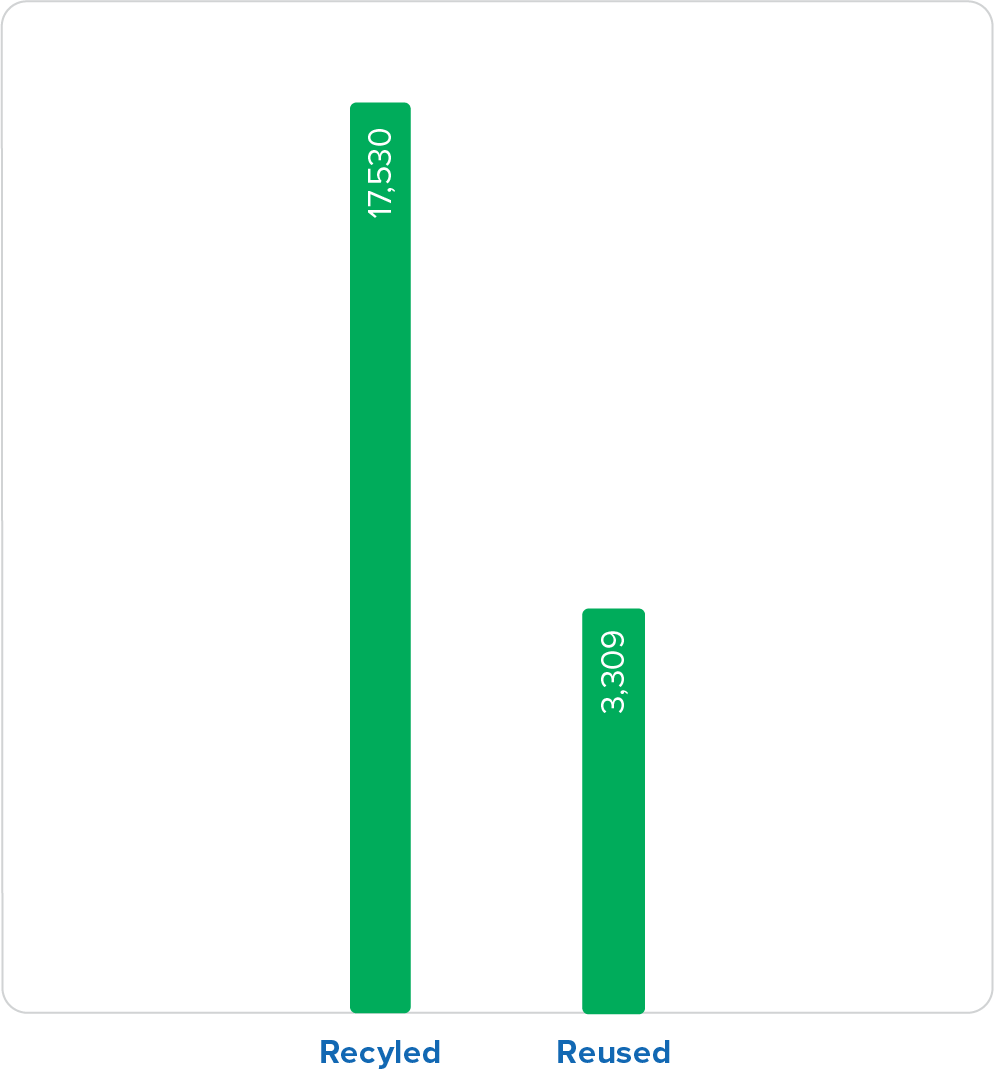
Non-hazardous waste, such as steel, is sent for recycling,
while cement waste is meticulously controlled through bulk
procurement, silo loading in batching plants and digitalised
usage mechanisms. We are also actively repurposing materials
on-site, with concrete waste utilised for making paver blocks
and earth pits, and tested concrete cubes repurposed for
tank fabrication. During the Tata Sustainability Month (TSM),
awareness sessions and activities were held for all employees
to foster a collective commitment to waste reduction, as per
the Tata Sustainability Group (TSG) guidelines.
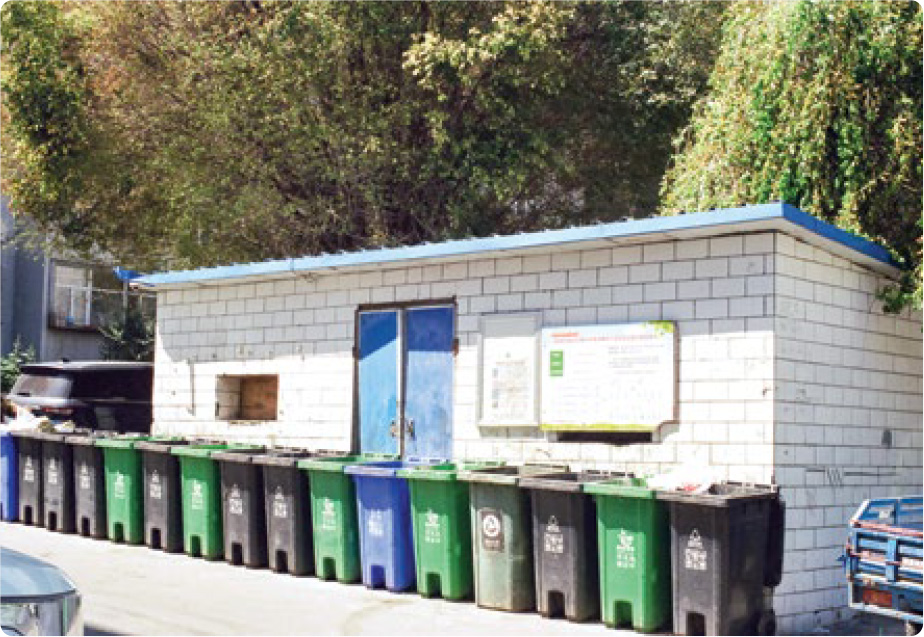
We Track Both Hazardous Waste
and Non-hazardous Waste
- Hazardous waste is disposed as per statutory
guidelines, through authorised recyclers
- Non-hazardous waste like steel is sent to
recyclers
- Cement waste is controlled through procurement
in bulkers and it is loaded into silos of batching
plants using digital processes
- Concrete waste is used to make paver blocks
and earth pits, and tested cubes are used to
make tanks

Biodiversity
Recognising the infrastructure industry’s
significant reliance on natural resources,
we have established a comprehensive
Biodiversity Policy, which is accessible
to the public and can be used for
guiding conservation efforts. This Policy
prioritises project sites for minimal
ecological impact by mandating thorough
environmental assessments and ensures
the implementation of measures to protect
and restore natural habitats potentially
affected by construction activities.
We encourage the use of sustainable construction practices
and materials to minimise our ecological footprint, and foster
collaboration with local communities and experts to identify
biodiversity hotspots, integrating preservation efforts into
project planning. In the near future, we will embark on
an exercise to define specific metrics for monitoring and
reporting on biodiversity, developing aligned guidelines to
further strengthen our commitment.
Wildlife Water Support