HUMAN CAPITAL

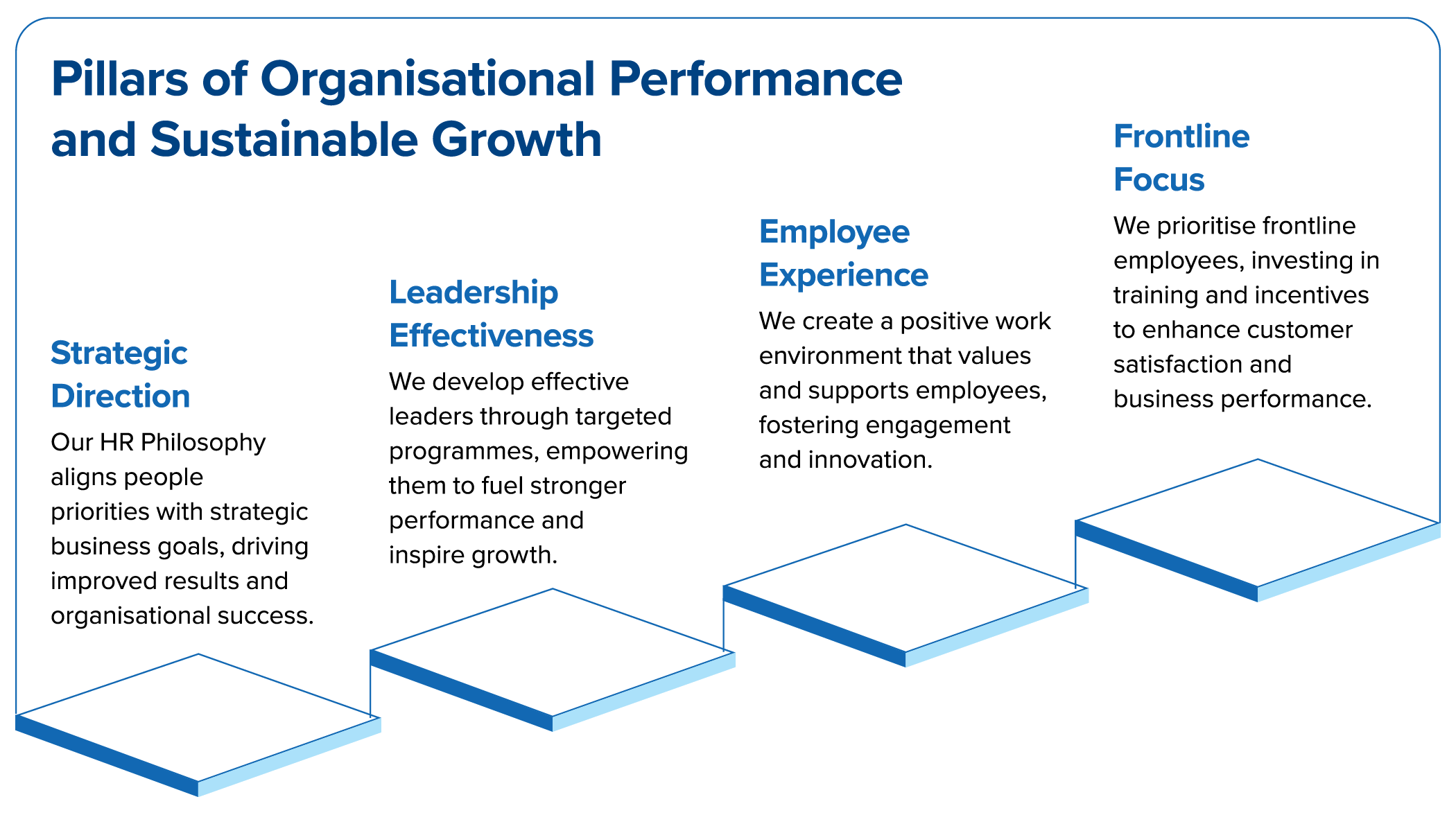
Our people drive our success and lay the foundation of an agile and future-ready organisation. We, therefore, believe in offering a conducive working environment where every individual is provided with the opportunity to grow and thrive. Our HR strategy aligns people priorities with strategic business objectives to ensure long-term value creation for all stakeholders.

Fostering Agile and Empowered Teams

Key Initiatives of FY2025

Culture

Focus

Values, Leadership Role Modelling, Building Trustworthy and High-performing Teams

  • Enabling managers to create a trusting and enabling environment by addressing beliefs, behaviours and practices
  • In FY2025, 106 people underwent training under OASIS

Talent Management

Focus

Effective Talent Management

  • Understanding our high-potential employees, succession planning, career pathing and talent development strategy

Activities

  • Internal talent review process to identify high-potential candidates
  • Manager capability building

Diversity and Inclusion

  • SheLeads: Platform for developing, engaging and supporting women leaders
  • Frontline Workforce Management: Onboarding contract employees, tracking attendance and generating accurate wage registers

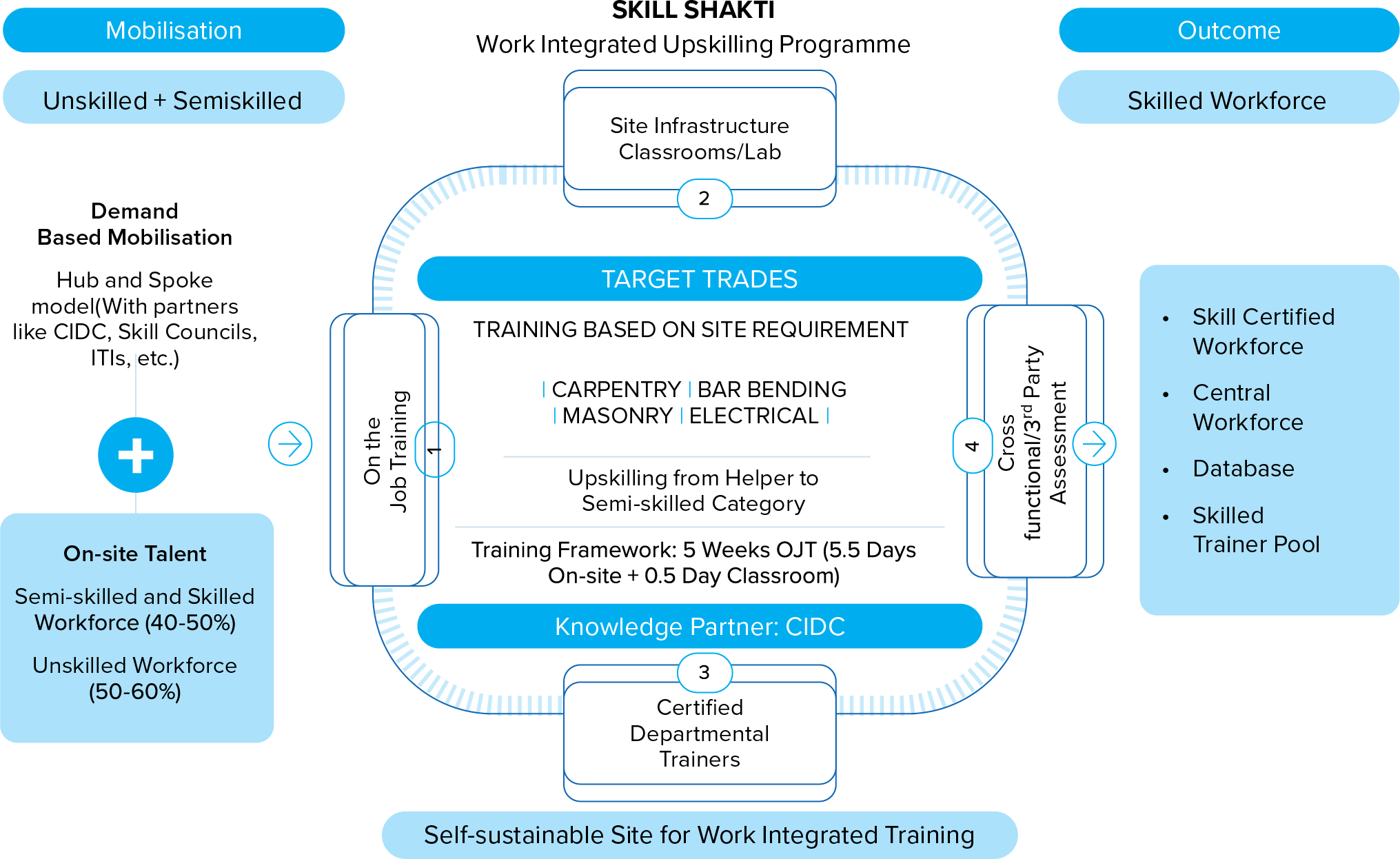
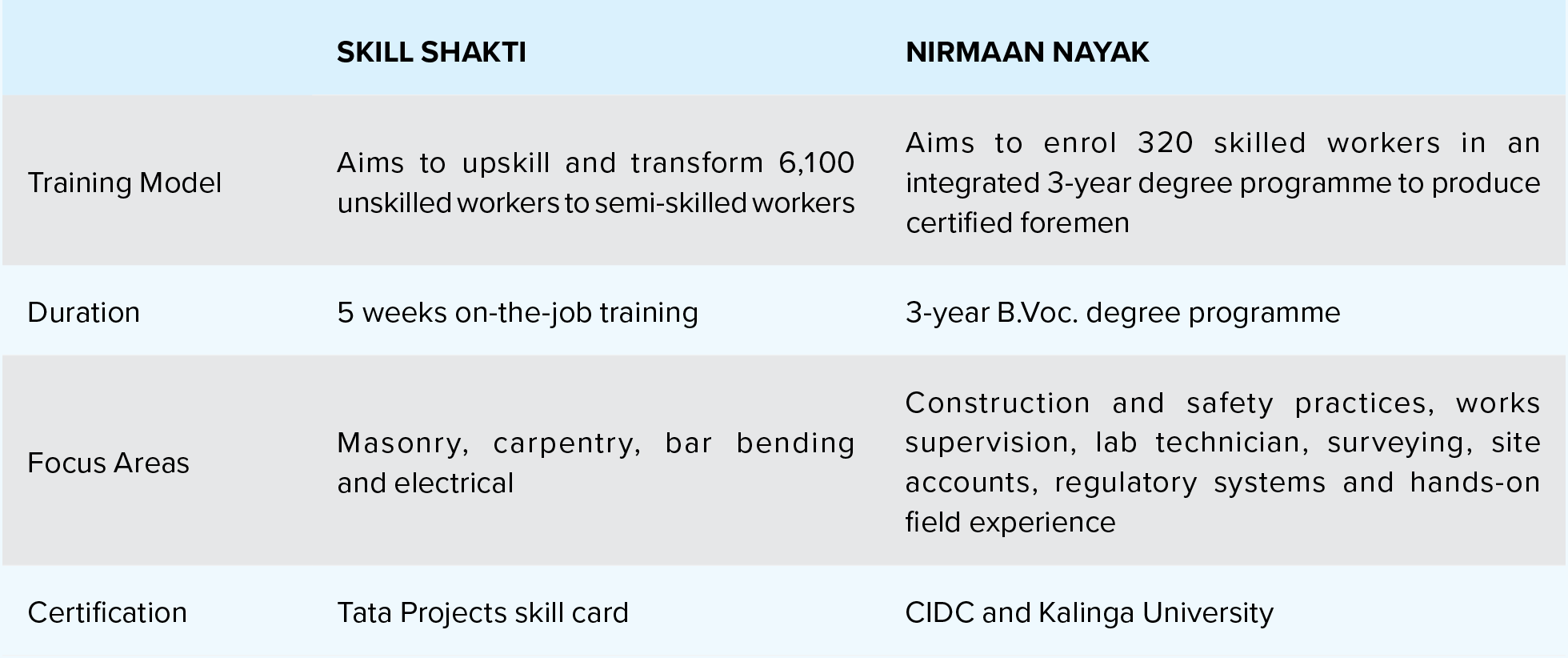
Nirmaan Nayak and Skill Shakti

Focus

Workforce Supply and Skill
Augmentation, Frontline
Worker Management System

Organisation Structure and Overheads

Focus

Job Evaluation and Human Capital Optimisation

  • Fixing the vertical hierarchy, role clarity, delayering and de-duplication
  • On-time mobility and de-mobilisation

Goal

Building an efficient organisation by establishing norms around optimal Human Capital, compensation, promotions and role fitment

Performance and Compensation

Focus

Implement Robust PMS and Total Rewards Practices

  • Benchmarking against best-in-class EPC and non-EPC
  • Introduce Objectives and Key Results (OKRs), mid-year reviews, end-year reviews, and calibration to strengthen performance management
  • Variable pay and merit increment cycle

Early Talent Programme

Focus

Hiring, Onboarding and Developing Young Talent to Build a Strong Workforce

Capability

  • PM COE, Managerial Capability
  • PM Enabling Functions Capability
  • Building COES at Sites
  • DAKSH: Great Project Manager – Identification, Assessment and Development
Our Commitments

Recruitment

  • We attract candidates from diverse backgrounds by posting job openings on various platforms, attending career fairs, partnering with diversity‑focused organisations and using inclusive language in job descriptions
  • Training hiring managers and interviewers on diversity and inclusion helps mitigate bias, fosters an inclusive environment, and ensures fair hiring decisions
  • Mentorship and internship programmes support diverse communities within and outside Tata Projects, facilitating their success in the workplace

Retention and Development

  • Implement inclusive policies to foster diversity and inclusion
  • Provide oppor tunities for personal and professional growth
  • Facilitate regular meetings of the Employee Resource Group Kaleidoscope to address pertinent issues
  • Gather employee feedback through D&I surveys to enhance inclusivity at Tata Projects

Infrastructure

  • Implement tailored infrastructure and policies to meet the specific needs of women, specially-abled individuals and transgenders
  • Conduct annual audits of infrastructure and policies to assess their relevance and effectiveness

Sensitisation Initiatives

  • Conduct structured sessions for new hires to emphasise the value of a diverse workforce
  • Organise workshops for middle management to make their leadership approach inclusive
  • Facilitate panel discussions and debates to encourage diverse perspectives

Celebration at the Workplace

  • We design the Holiday Calendar and organise the Celebration Calendar, considering various preferences and cultural backgrounds of our employees
Driving the Tata Culture at Tata Projects

Our organisational culture is shaped by the Tata Values, the Tata Code of Conduct and our mission, vision and values, which focus on enhancing the quality of life through projects. These principles guide our commitment to integrity, responsibility, excellence, pioneering spirit and unity. Our culture is reinforced by the Tata Projects Values: Safety and Integrity First, Accountability, Collaboration and Inclusion, and Value Consciousness.

Employee Benefits

We are committed to providing comprehensive benefits to all our employees. While we do not employ part-time staff, all full-time and fixed-term contract (FTC) employees receive an equivalent range of key benefits. These include:

  • Health, Term Life and Accident Insurance
  • Paid leaves, including parental leave
  • Childcare support via paid crèche facilities or reimbursement
  • Annual health check-ups
  • Car lease benefit
  • Employee recognition programmes
  • Retirement benefits

Employees on third-party payrolls also receive statutory benefits. Although there are some differences, such as reduced Health Insurance coverage and the absence of Term Life Insurance, these employees still receive important benefits like:

  • Gratuity
  • Creche facilities (for women employees)
  • Statutory leaves and benefits

This approach ensures all employees, regardless of their employment type, are supported and valued with benefits tailored to their specific roles.

Read more in our BRSR Report
805 Long Service Awards
2,800 Shabash Awards
119 Annual Business Awards
1,471 Annual Health Check-ups

Health and Well-being

Employee well-being is central to our HR strategy; it is vital for cultivating a sustainable work culture that focuses on collaboration and productivity. We promote a healthy work-life balance, recognising its direct link to employee performance and positive workplace relationships, thereby ensuring a supportive and thriving environment for all our team members.

We also try to support employee well-being and work-life balance through flexible, remote and hybrid work models. These options offer employees the mental comfort to manage professional and personal commitments effectively. Nirvana – The Wellness Corner is a Tata Projects’ Employee Wellbeing Initiative to ensure a healthier tomorrow for employees and staff. In FY2025, the Company has spent 1% of its total revenue on employee well-being measures.

Nirvana: A Well-being Initiative

Physical Well-being

  • Annual walkathon
  • Marathon
  • Yoga and meditation webinars
  • Ergonomics webinars
  • Sportsvaganza
  • Annual health check-ups, medical insurance
  • Medical/ambulance facility at offices and sites

Mental Well-being

  • Employee assistance programme (24x7 helpline number for counselling)
  • Health and safety standards implemented at all offices and sites
  • Remote/hybrid/flexible working models for all to ensure work‑life balance
  • Wellness webinars
  • Self assessments
  • Daily health trackers

Financial Well-being

  • Tax/financial planning support via webinars
  • Flexi pay
  • NPS/VPF

Social Well-being

  • Workplace celebrations
  • Digital contest
  • Celebration of specific international days
  • Annual awards and D&I meets
  • Connect beyond work – an initiative for employee families and kids
Talent Management

Recognising the importance of building stronger, cohesive teams, we seek to hire people who align with our core values of Integrity, Safety, Accountability, Collaboration and Inclusion. We, therefore, strive to identify people who are not only qualified for the job but have a strong sense of teamwork, demonstrate clear thinking and problem‑solving capabilities.

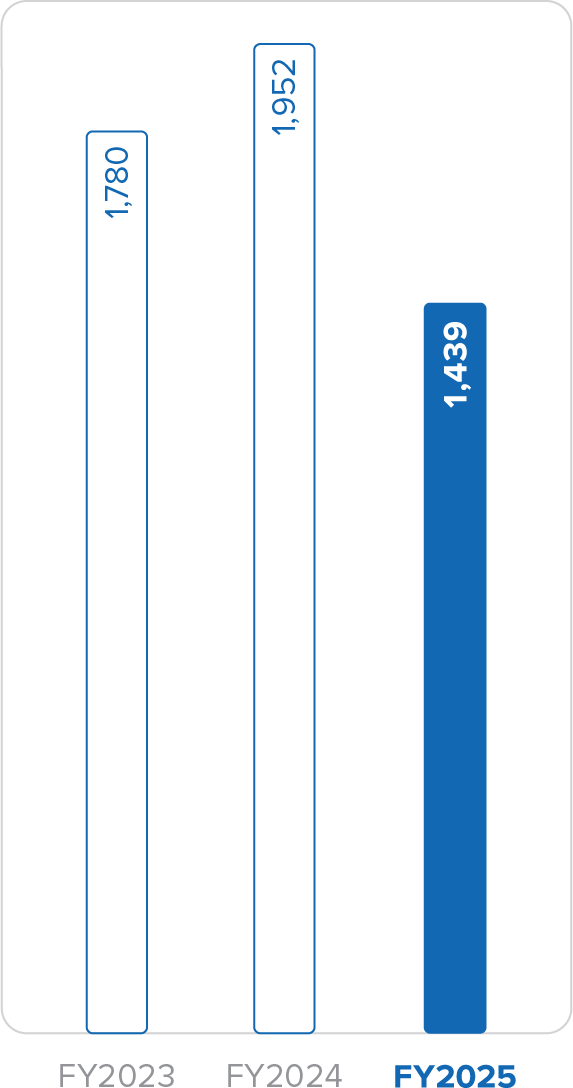
Hiring Trend for FY2025

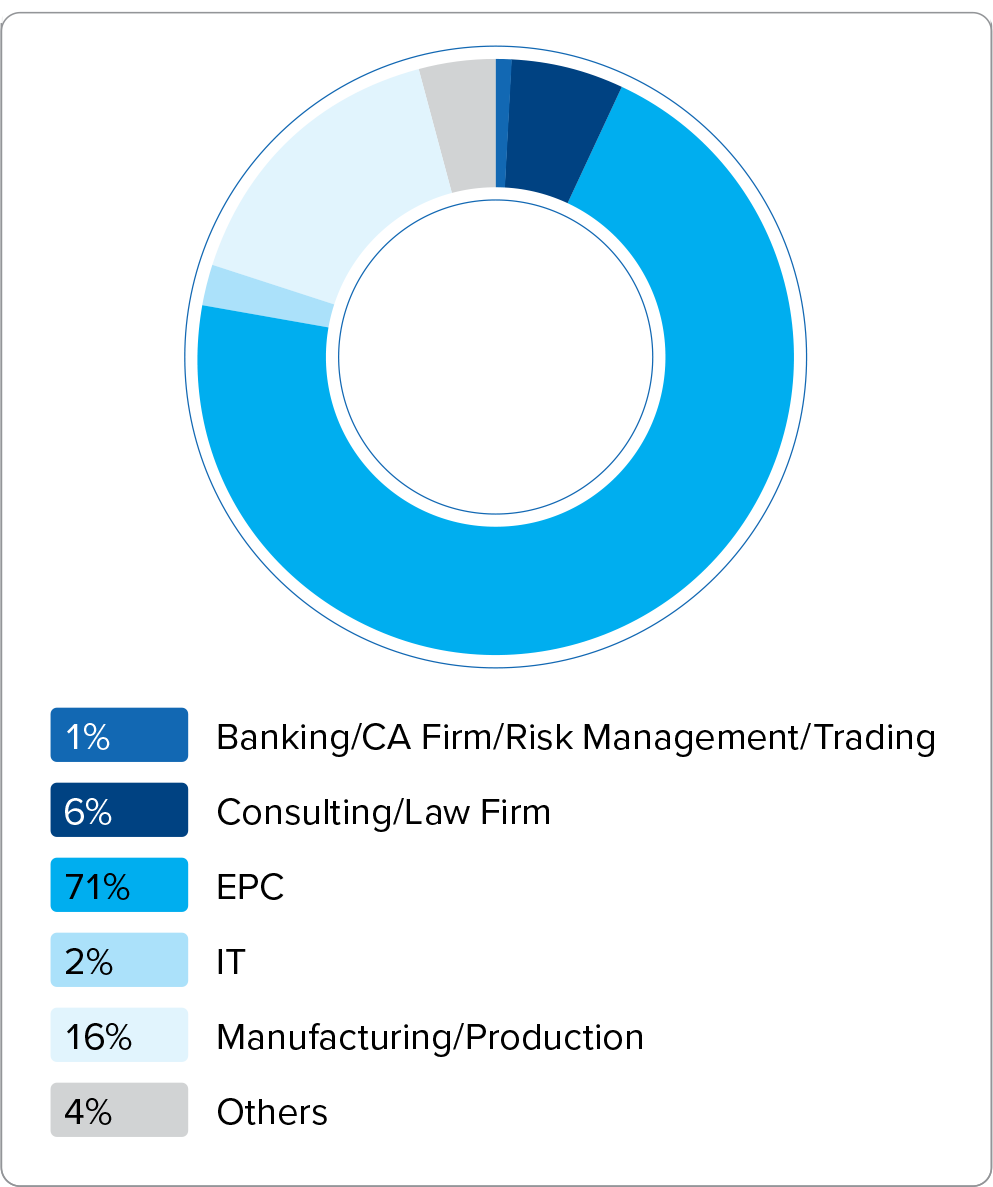
Corporate Industry Hiring

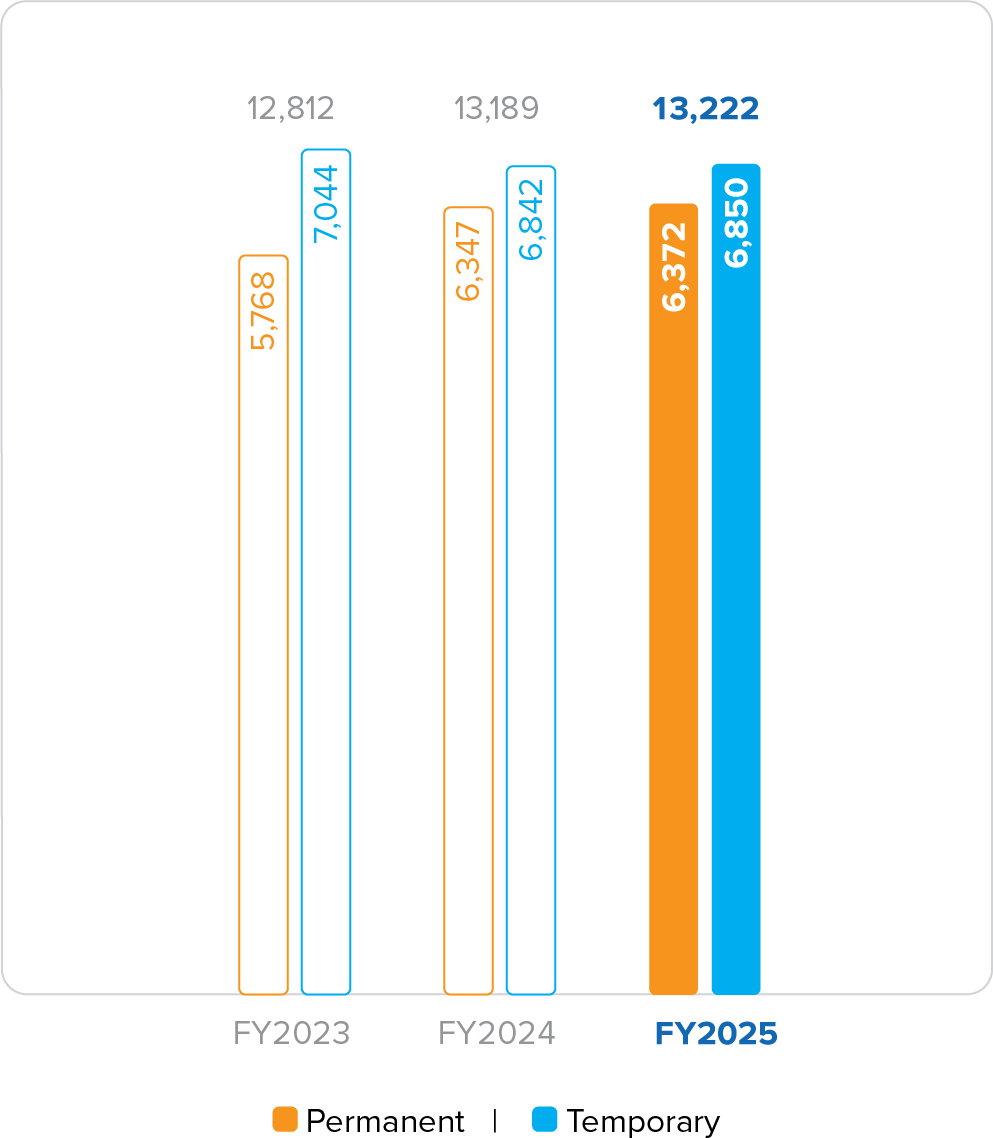
Employment Data Overview (nos.)

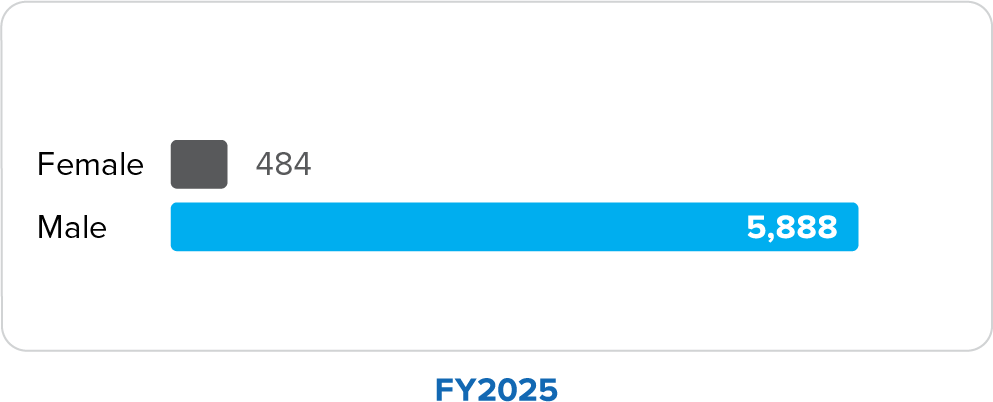
Employee Diversity by Gender

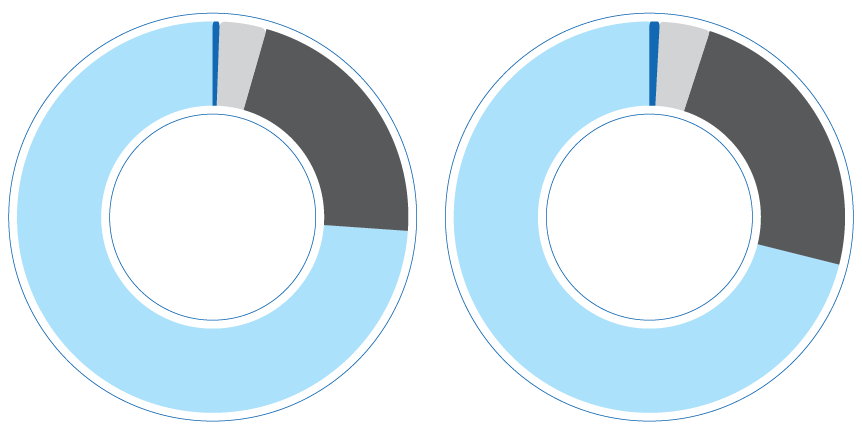
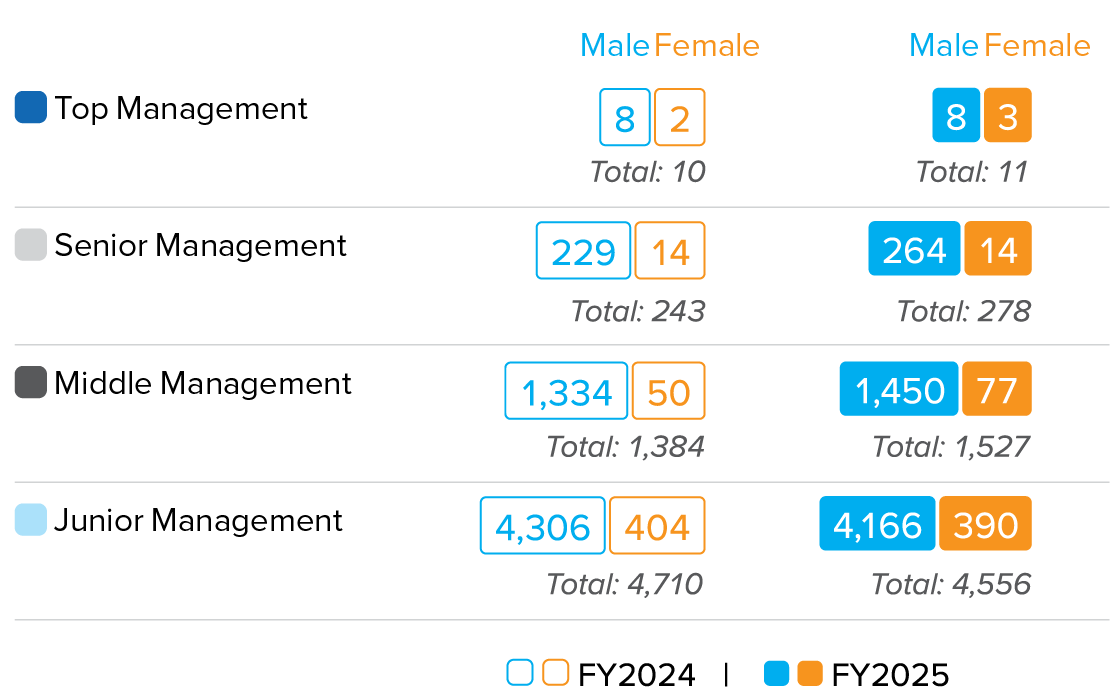
Employee Category

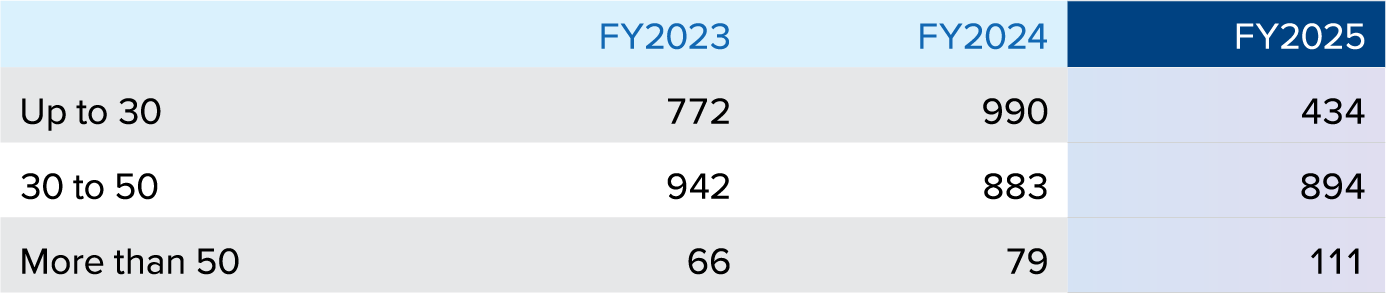
New Hires (nos.)

New Hires by Gender (nos.)

New Hires by Region (nos.)

New Hires by Age Group (nos.)

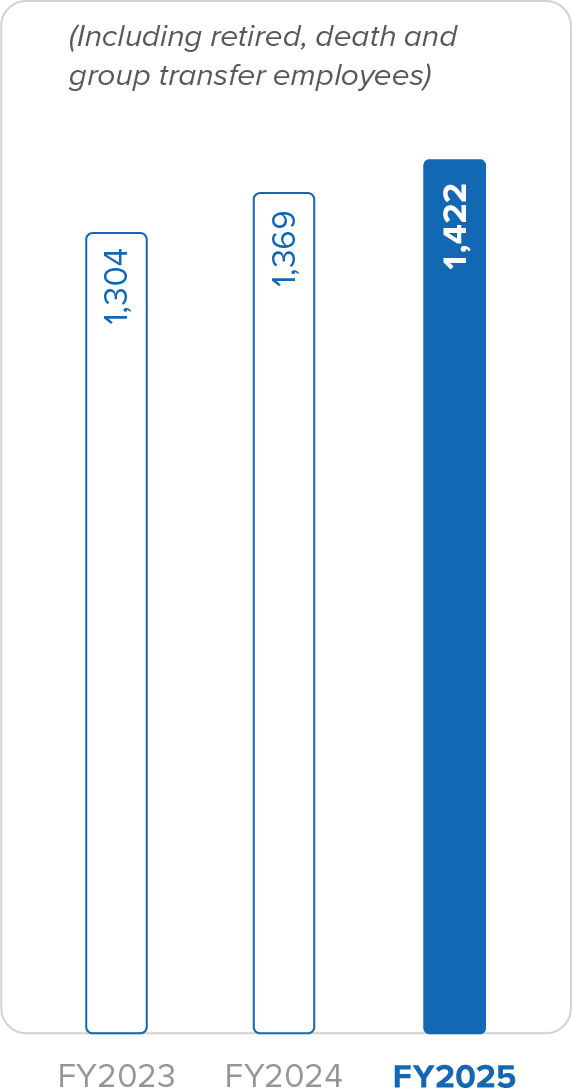
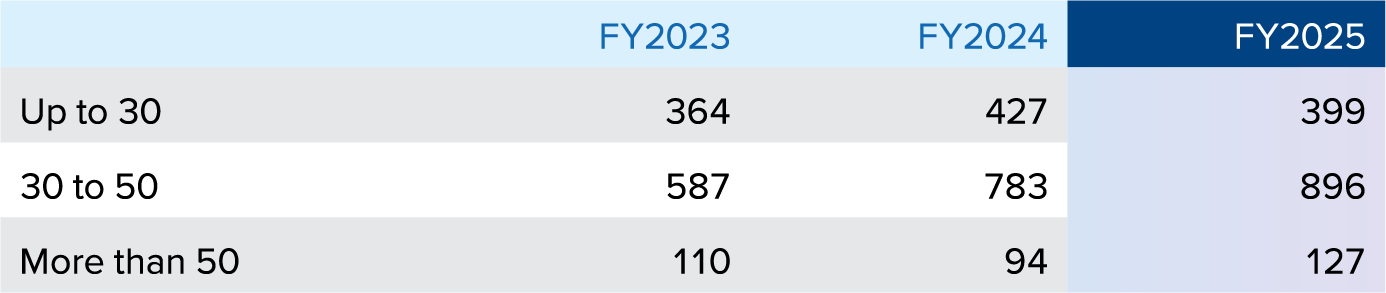
Total Turnover (nos.)

Employee Turnover by Gender (nos.)

Employee Turnover by Region (nos.)

Employee Turnover by Age Group (nos.)

Capability

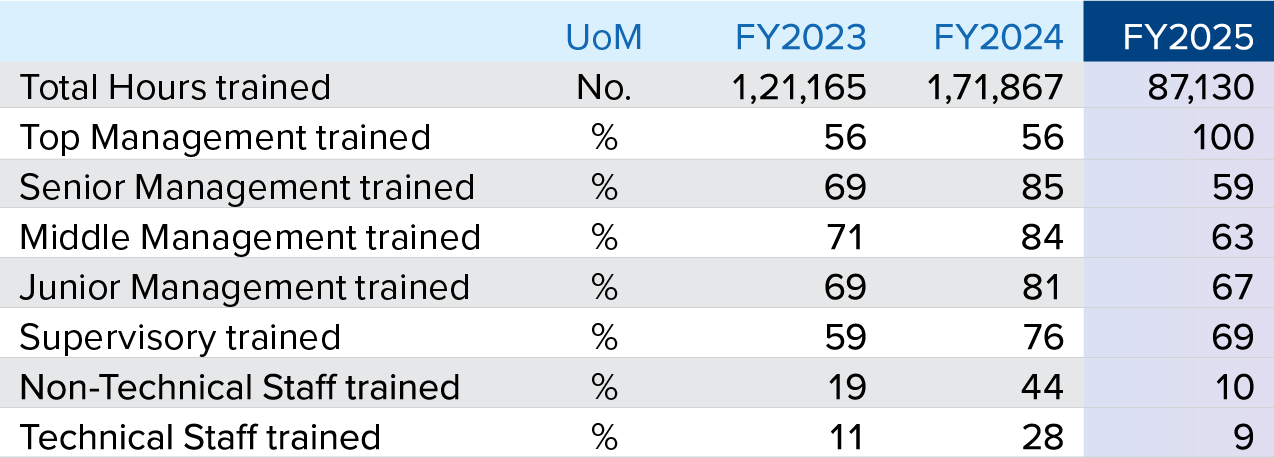
We prioritise talent development through comprehensive training and mentoring, preparing our employees for leadership roles. This includes leveraging the Tata Management Training Centre (TMTC) for cross-sector learning and Tata Tomorrow University for global opportunities. Our revised L&D policy focuses on Project Management, Technical and Behavioural and Compliance Programmes, delivered through a blend of online and on-site sessions.

5,773 Employees Trained
93,321 Total Hours
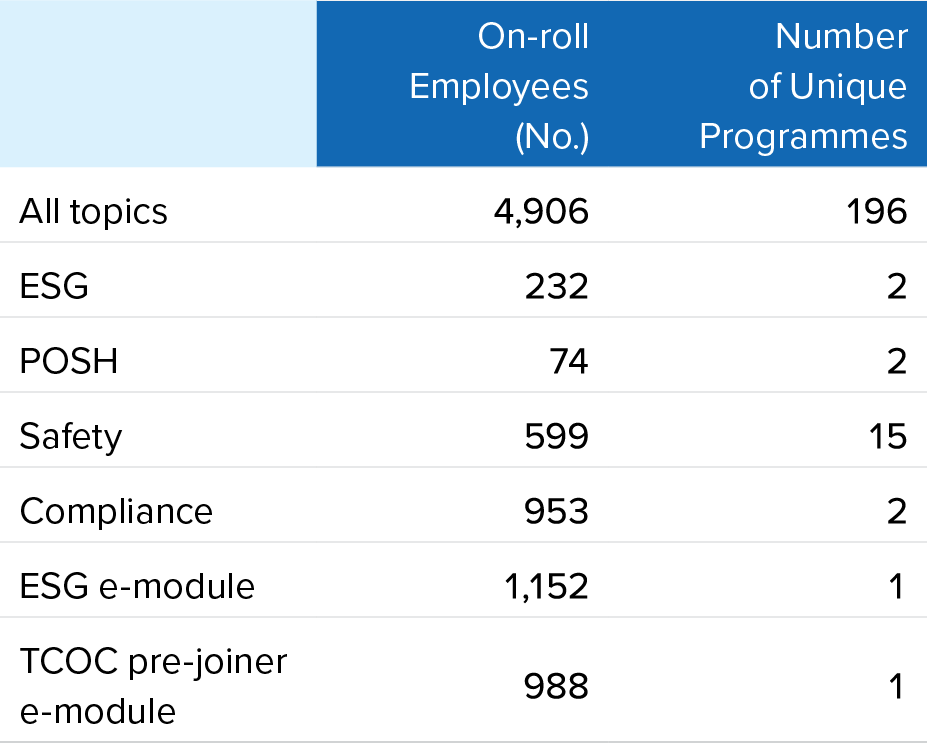
196 No. of Unique Programmes
16.2 Average Training Hours Per Employee

Our learning initiatives are feedback-driven, with 77% of on‑roll employees participating in training in FY2025, and 29% of employees underwent training in various ESG topics at the corporate level.

We have enhanced our Learning Management System (LMS) to improve user experience and learning outcomes. It allows people to access content remotely and archives content to help employees access the content later through online channels. The Tata Projects Academy LMS integrated with Tata Tomorrow University (TTU) and NPTEL Courses to offer universal e-learning access. Various programmes have been added to Corporate L&D modules based on suggestions from business leaders. It helps address business priorities and specific skill development needs.

Category

Employees (On-roll) Participation in
Learning and Development Training

In FY2025, we also launched the e-learning module of Business and Human Rights on our LMS

Training for On-roll Employees (nos.)

Total Trained Employees

4,906 | 5,012 | 3,737

Total Male Trained Employees

4,441 | 4,570 | 3,408

Total Female Trained Employees

465 | 442 | 329
FY2023 FY2024 FY2025

SheLeads

We not only believe in promoting equality but also in empowering all our women leaders to unlock their true potential. Last year, we introduced SheLeads, our umbrella platform for the initiatives we undertake for our women employees. It encompasses the following activities:

Women Leadership Development Programmes: Tailored three-day workshops aimed at enhancing leadership skills and capabilities of women in junior and middle management roles

Listening Circles: It aims to create a safe space for women to come together and support each other. It also provides a platform to engage in informal discussions with industry leaders and people in senior leadership roles through mentorship and networking opportunities

Success Stories: Celebrating and sharing the achievements and journeys of women within Tata Projects, highlighting their contributions to inspire others

54 Women Benefitted from the SheLeads Programme

DAKSH

DAKSH is Tata Projects’ Project Management Leadership Programme, launched by the Project Manager Centre of Excellence. It aims to strengthen leadership and functional capabilities of Project Managers through a structured development journey. Covering 80 project leaders, the programme is designed to elevate their effectiveness and impact in driving project success at Tata Projects.

80 Project Leaders Trained

Make Your Mark

Make Your Mark is Tata Projects’ Early Talent Programme, crafted to attract, onboard and nurture high-potential campus hires. Anchored in our commitment to ‘link and bond’ early talent with Tata Projects’s mission, vision and values, the programme fosters a culture of learning and seamless integration.

It unfolds in two phases:

Phase 1: In-Person Induction – A seven-day immersive experience introducing trainees to Tata Projects’s culture, business and leadership

Phase 2: Virtual Learning Journey – A yearlong, role-aligned curriculum covering functional, technical, software and behavioural competencies

In FY2025, we onboarded 259 young professionals with 23% gender diversity, including Graduate Engineer Trainees (GETs), Management Trainees (MTs), Diploma Engineer Trainees (DETs) and Engineer Trainees (ETs) recruited from premier institutes such as IITs, NITs, NICMAR, NERIST, IPS Academy and Government Polytechnics. Through Make Your Mark, we are investing in a future-ready workforce aligned with our long-term talent strategy.

259 Young Professionals Onboarded from Premier Institutes

Blue Mint

Blue Mint is a dynamic six-month leadership programme within the Tata Group. It combines classroom and experiential learning to align participants’ capabilities with Tata’s future talent needs. Partnering with the London Business School, Blue Mint presents scope for academic development, participation in cross-functional projects and reverse mentoring opportunities.

14 Underwent Blue Mint Training in 2025

Performance and Compensation

We regularly evaluate the performance of employees and offer suitable compensation for different roles within the organisation.

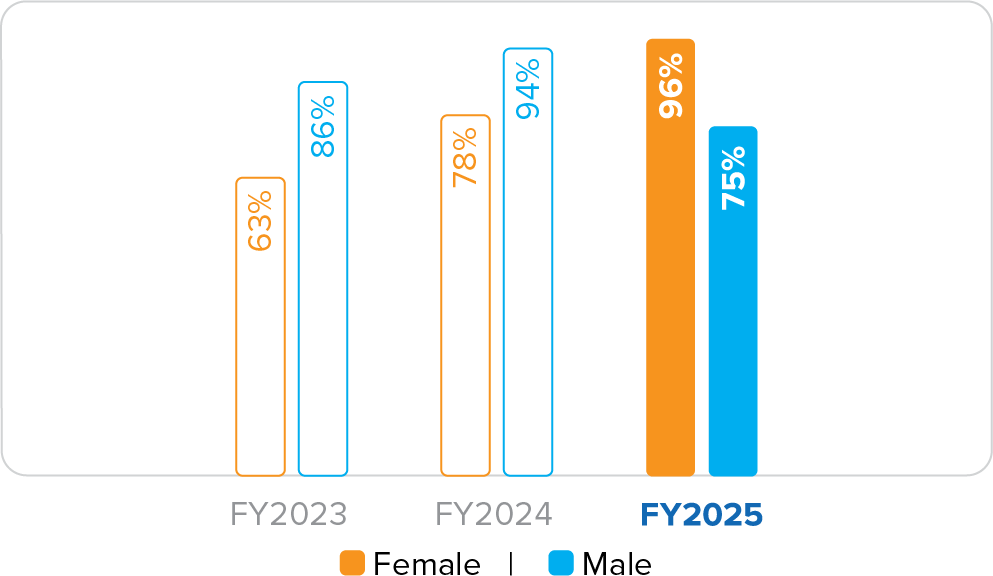
Performance and Career Development Review by Gender (nos.)

Career Transition Programme for First Time Managers

Tata Projects hosted its first-ever career transition programme with two batches in Mumbai. Trainings were conducted in Q3 and Q4 FY2025 for 37 participants to prepare first-time managers for a seamless shift from being individual contributors to successful managers.

Diversity and Inclusion

We maintain an inclusive workplace where every employee is valued irrespective of their age, gender, sexual orientation, ethnicity, race, physical and mental ability. Through initiatives like ‘Diversity Dialogues’, we promote an inclusive culture. Besides, ‘Bonfire Conversations’ provide comprehensive training on our DEI approach. We also conduct workshops and provide educational resources to raise awareness about implicit bias, dismantle stereotypes and promote empathy across our workforce.

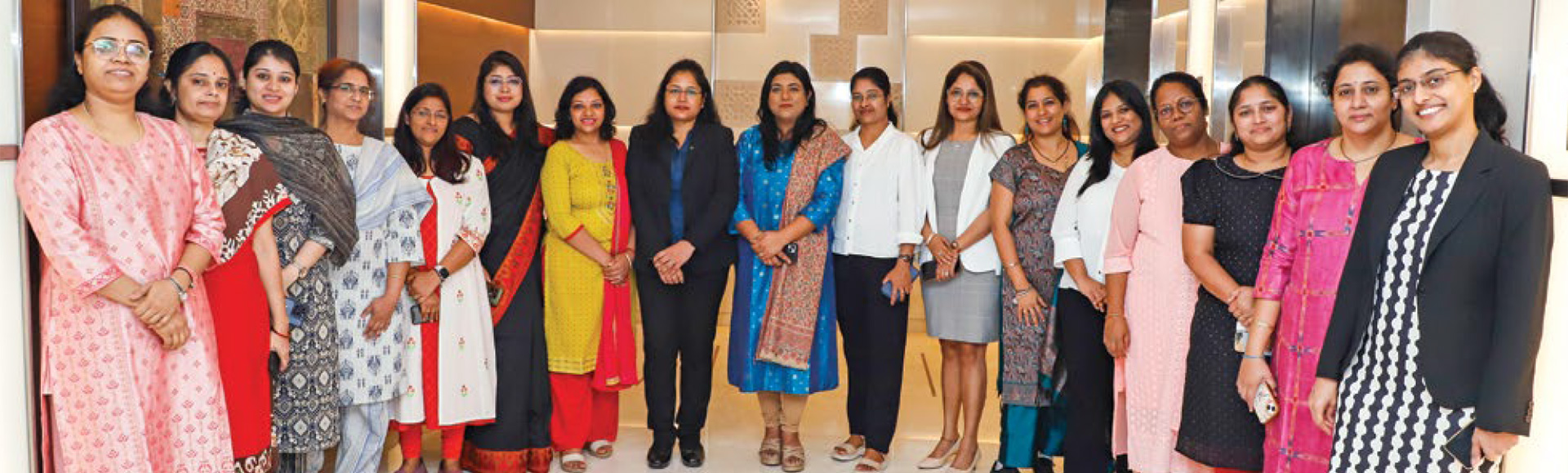
SheLeads Cohort Meet

95.6% Male Employees
4.4% Female Employees
23% Women in Leadership

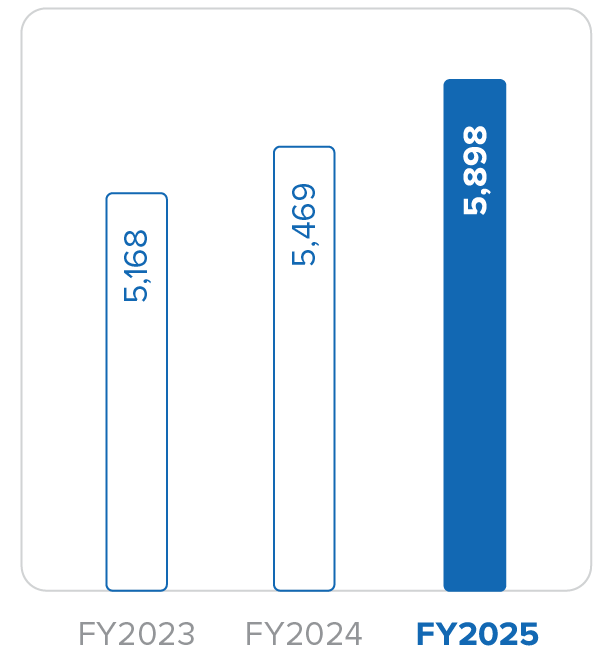
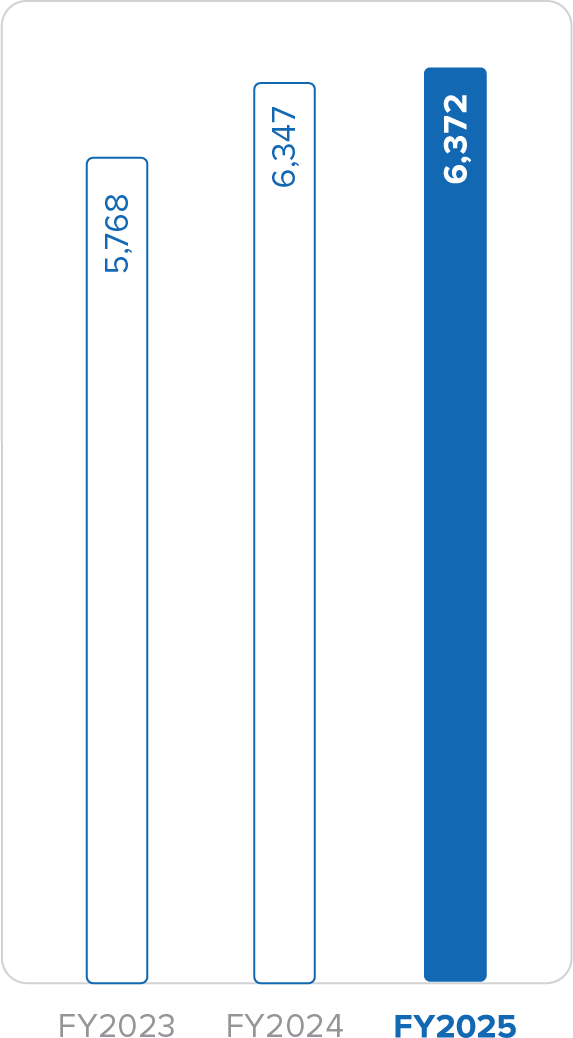
Total On-roll Employee (nos.)

Diversity by Gender (nos.)

Diversity by Citizenship (nos.)

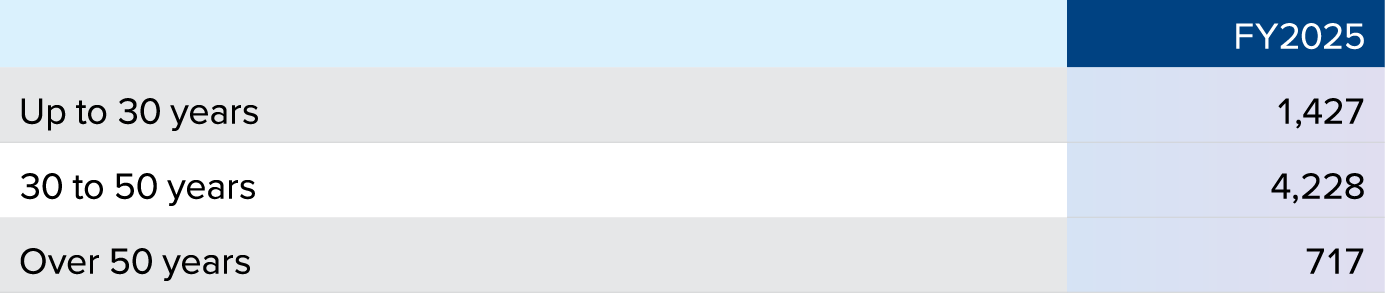
Diversity by Age (nos.)

Specially-abled Personnel in the Workforce FY2025: 10 (Total No. of Hires)

Equal-opportunity Employer

As an equal-opportunity employer, we champion diversity by welcoming individuals from various cultural and demographic backgrounds. Our workforce, with an average age of 37, balances experience, fresh perspectives and enthusiasm. We are dedicated to enhancing gender diversity and inclusion, striving to create opportunities for women at all levels through improved site infrastructure, targeted recruitment, talent development, gender sensitivity training and a more inclusive workplace culture. We have also adapted our performance assessment process to support returning mothers and launched mentorship programmes, in collaboration with the Tata Group, to facilitate comprehensive talent development for women employees.

Tata Projects’ Diversity and Inclusion Policy ensures Diversity, Equity and Inclusion, eliminating discrimination on the basis of age, gender, sexual orientation, ethnicity, race, physical and mental ability. Tata Projects’ Employee Resource Group (ERG) plays a pivotal role to nurture an all-inclusive ethos across four chapters: Women Chapter, PWD Chapter, Transgender Chapter and Veteran Chapter. This Group not only sponsors D&I across the Company but also governs, counsels and represents people across platforms.

In addition, Tata Projects’ mandatory TCOC e-module trainings have a dedicated chapter on Diversity and Inclusion that every employee must undergo.

Remediation Plans

Policy Enhancement

Our policies are regularly reviewed and updated to meet legal requirements and industry standards, with updates communicated to all staff


Training

Mandatory programmes cover discrimination topics for all employees, empowering them to address issues effectively


Grievance Mechanism

A secure channel ensures prompt investigation of discrimination reports, with clear protocols for resolution and disciplinary action


Diversity and Inclusion Initiatives

Our efforts include employee resource groups, diversity training and cultural events, fostering a sense of belonging and mutual respect


Employee Resource Group

Kaleidoscope, Tata Projects’ employee-led Group, actively promotes diversity and inclusion by advocating policies and driving cultural initiatives. Comprising chapters such as Women, Persons with Disabilities, LGBTQ+, and Veterans, it is led by employees sharing common interests. The Group facilitates networking, development, recruitment and community outreach for Diversity and Inclusion, with membership open to all employees to foster learning and amplify their voices.

ASK HR

The Employee Central Service Centre (ASK HR) module is now live on SuccessFactors, providing employees with a streamlined and efficient platform for resolving HR-related queries. ASK HR serves as the employee-facing portal of the Employee Central Service Centre (ECSC), enabling users to search for information and create support tickets for unresolved issues. Going forward, ASK HR will be the sole channel for HR query resolution and employees can access it directly from any page within the SAP SuccessFactors HCM suite. To raise a query, employees need to log into SuccessFactors, navigate to ASK HR, create a ticket, select the relevant service category and nature of request and submit their issue.

Key Features:

Knowledge Base: Employees can search for answers to common HR queries within the ECSC’s knowledge base

Ticket Creation: If a question is not answered in the knowledge base, employees can create a ticket to reach out to HR

Access: Employees can access Ask HR from any page within the SAP SuccessFactors HCM suite

Freedom of Association and Right to Collective Bargaining

The Company does not interfere with the rights of workers to express themselves freely, nor their right to access information that enable them to perform their work properly. It is the choice of each employee as to whether or not they wish to join a trade union, and the Company respects those choices. Employees doing the same work to the same standards of flexibility and productivity will receive comparative remuneration and employment condition, whether employed under individual or collective agreements (contract labour/third-party).

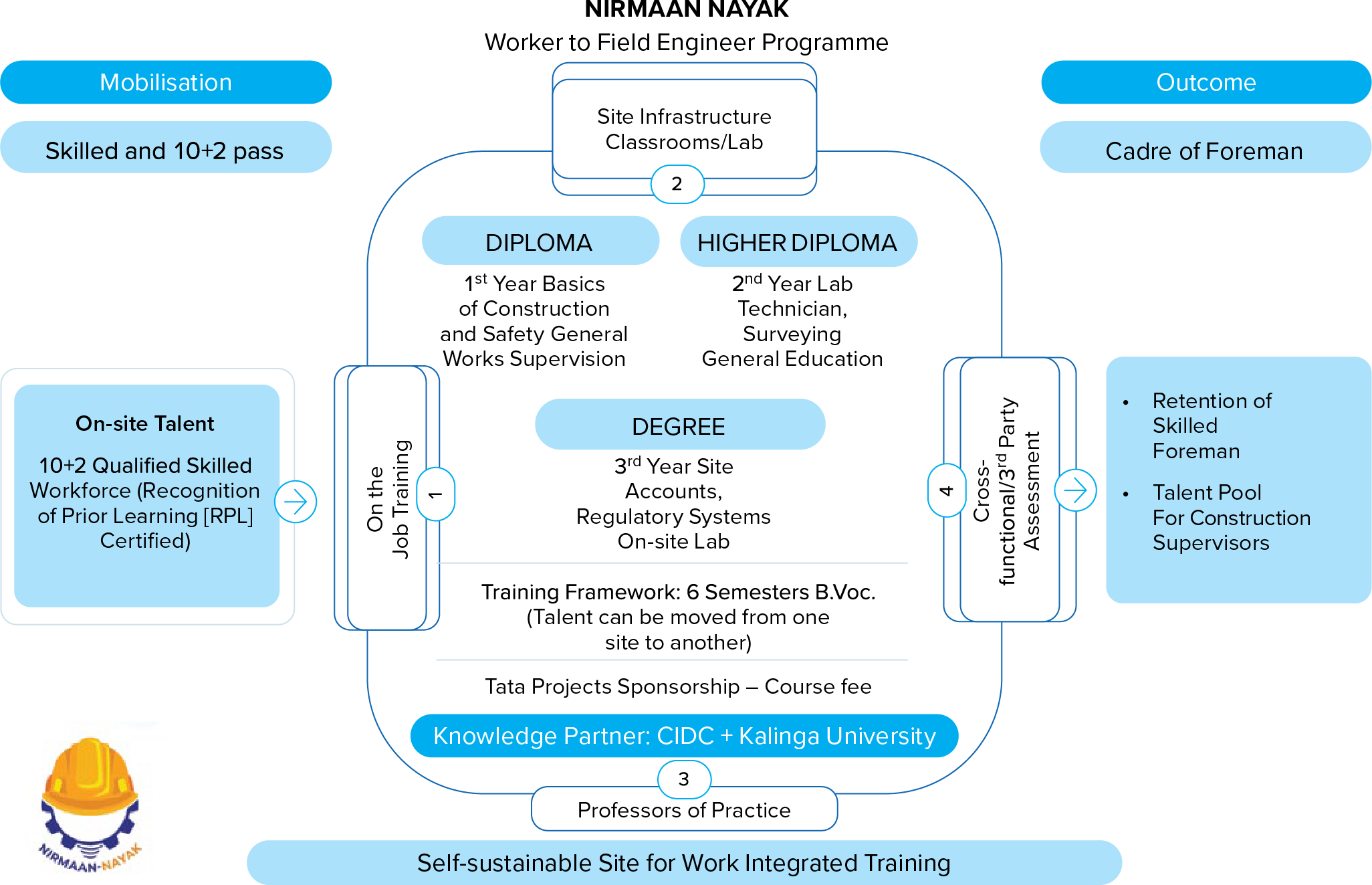
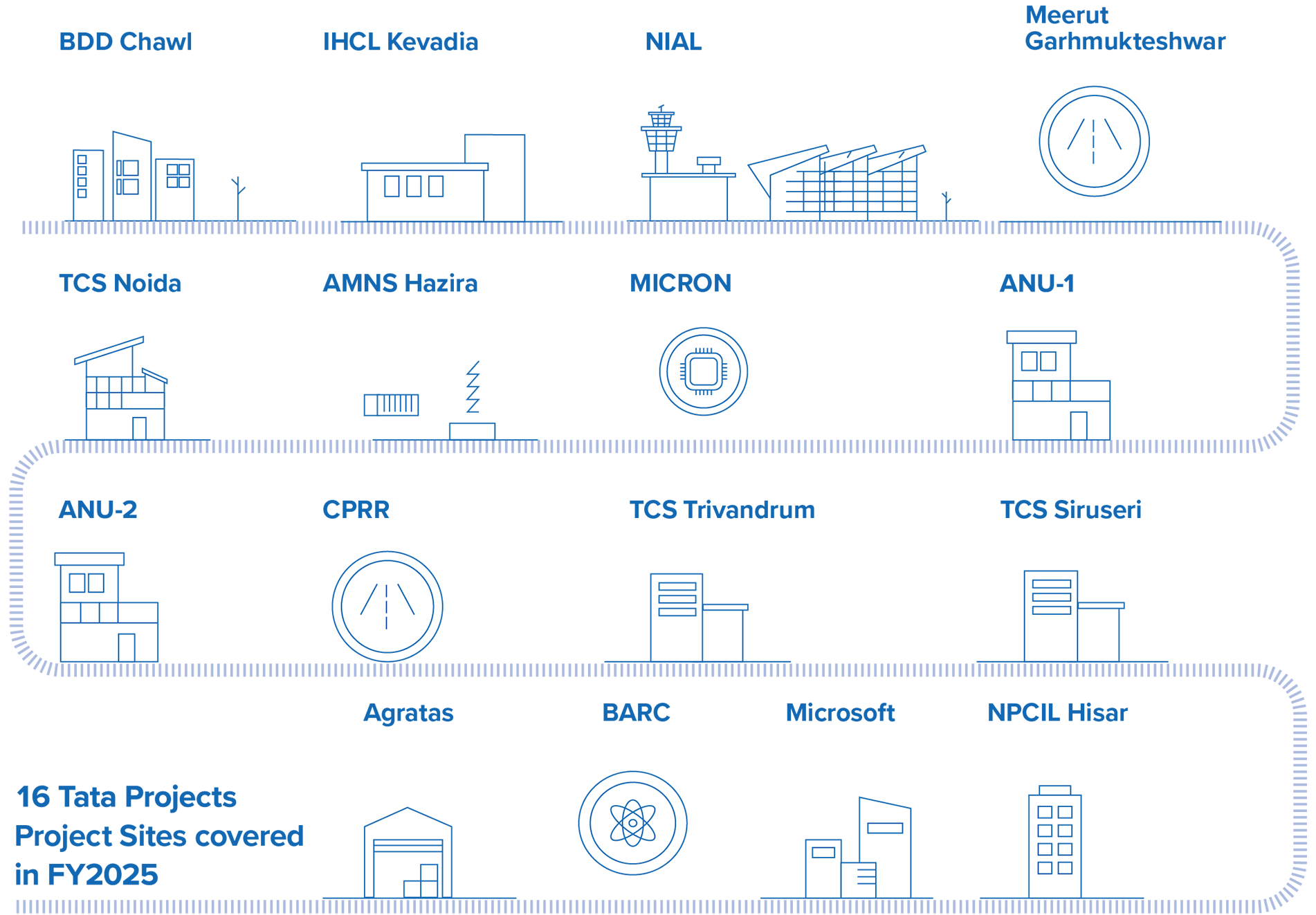
Nirmaan Nayak and Skill Shakti


Districts Covered: Nation-wide
Lives Impacted: Skill Shakti – 3,742; Nirmaan Nayak – 473


A transformative initiative designed to equip freshers from the local community with industry-relevant skills, certification and placement opportunities. Through structured training and targeted outreach, the programme successfully uplifts individuals and enhances workforce readiness.

The main objective is to revolutionise India’s construction industry by empowering over 6,500 workers, to create a future‑ready workforce capable of meeting the evolving needs of an emerging business landscape.

Engagement and Impact

  • Community Outreach and Awareness: Conducted dedicated outreach efforts to build awareness, encourage participation and educate the local community about skilling opportunities, effectively mobilising candidates for training
  • Foundation for Sustainable Development: Established a strong foundation for sustainable skill development and employment
  • Bridging Talent-industry Gap: Successfully bridged the gap between local talent and industry requirements
  • Fostering Economic Growth: Contributed to economic growth and professional growth of people from marginalised communities
  • Future Expansion Plans: Expand our reach and empower local youth through continued efforts

An MoU-based local community project was also undertaken with the GMR Varalakshmi Foundation for local community training, via which 56 individuals successfully completed the skilling programme and 16 candidates received placement opportunities in Tata Projects‑IHCL Kevadia project.

Health and Safety at Tata Projects

Occupational Health and Safety Management System (OHSMS)

We adhere to an ISO 45001:2018 certified Occupational Health and Safety Management System (OHSMS), covering all on-roll employees, off-roll employees and sub-contractor workers across our project sites, offices and manufacturing facilities. Its scope includes Design, Engineering, Procurement, Construction, Commissioning, Operation, and Repair and Maintenance of infrastructure projects (including metro projects), along with manufacturing of steel structures.

Policy and Governance

Our OHSE policy underlines our commitment to a safe and healthy workplace through strict compliance, periodic risk assessments, structured training, enforcement of PPE usage, emergency preparedness and robust vendor safety standards. Governance frameworks are supported by monthly Safety Committee meetings at applicable project sites, with 50% worker representation. Their roles, responsibilities and decision-making authorities are defined at the project level.


92% Projects had Zero LTIs
62,997# (100%) Workers Covered under Occupational Health and Safety Management System
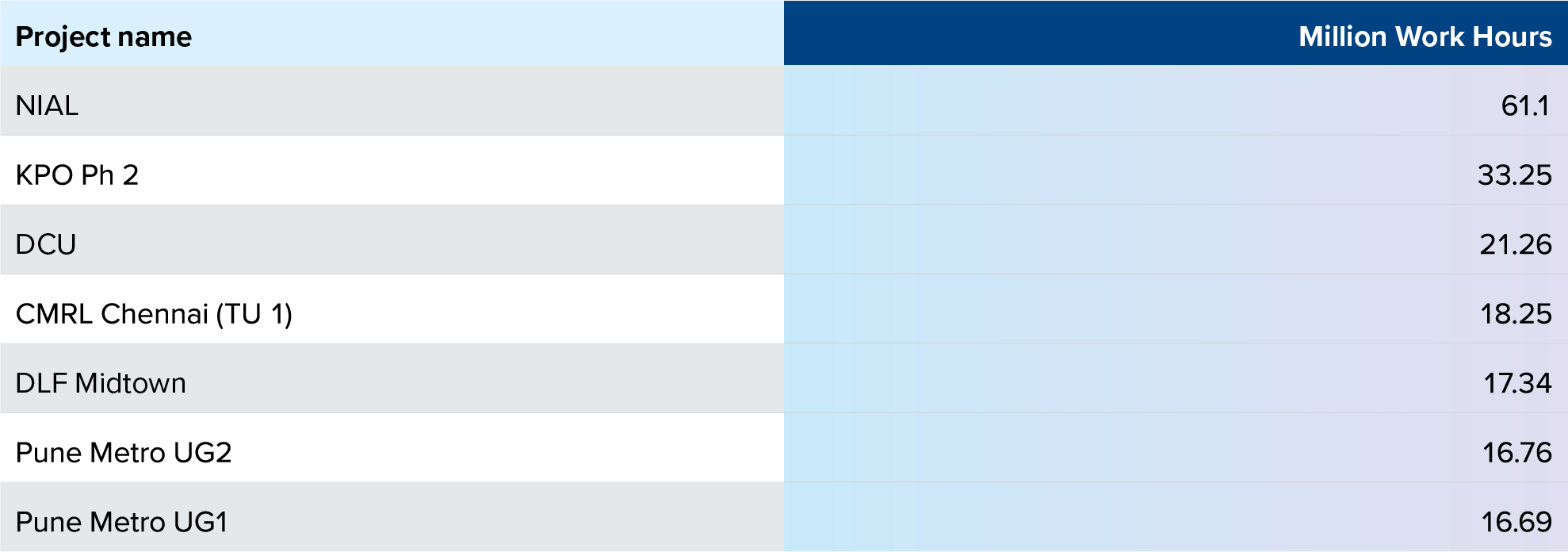
184.15 Million Accident-free Work Hours for Top Projects

#Covers all employees – on-roll and off-roll, frontline workers, sub-contractors across project sites, offices, manufacturing facilities.

Worker Participation and Engagement

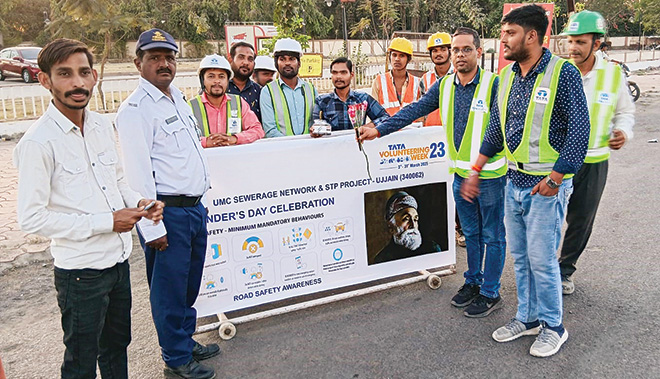
Worker consultation and participation are integral to our OHSMS. Engagement initiatives such as monthly rewards and recognition, mass safety campaigns, and daily task briefings help gather worker feedback. These channels encourage open dialogue and contribute to building a safety-first culture. Additionally 50% of Safety Committee members include representatives from workers. Their responsibilities, meeting frequency and decision-making authority are defined in the project level processes.
Training and Health Services

Our training process begins with ‘Training Need Identification’, followed by the development of project‑specific training calendars. These are tracked digitally each month to ensure timely delivery. Construction medical officers are deployed at project sites as per legal norms, and weekly doctor visits are arranged at office locations. We also support health and wellness through recreational facilities at labour camps and regular health awareness sessions for workers.

Hazard Identification and Risk Management

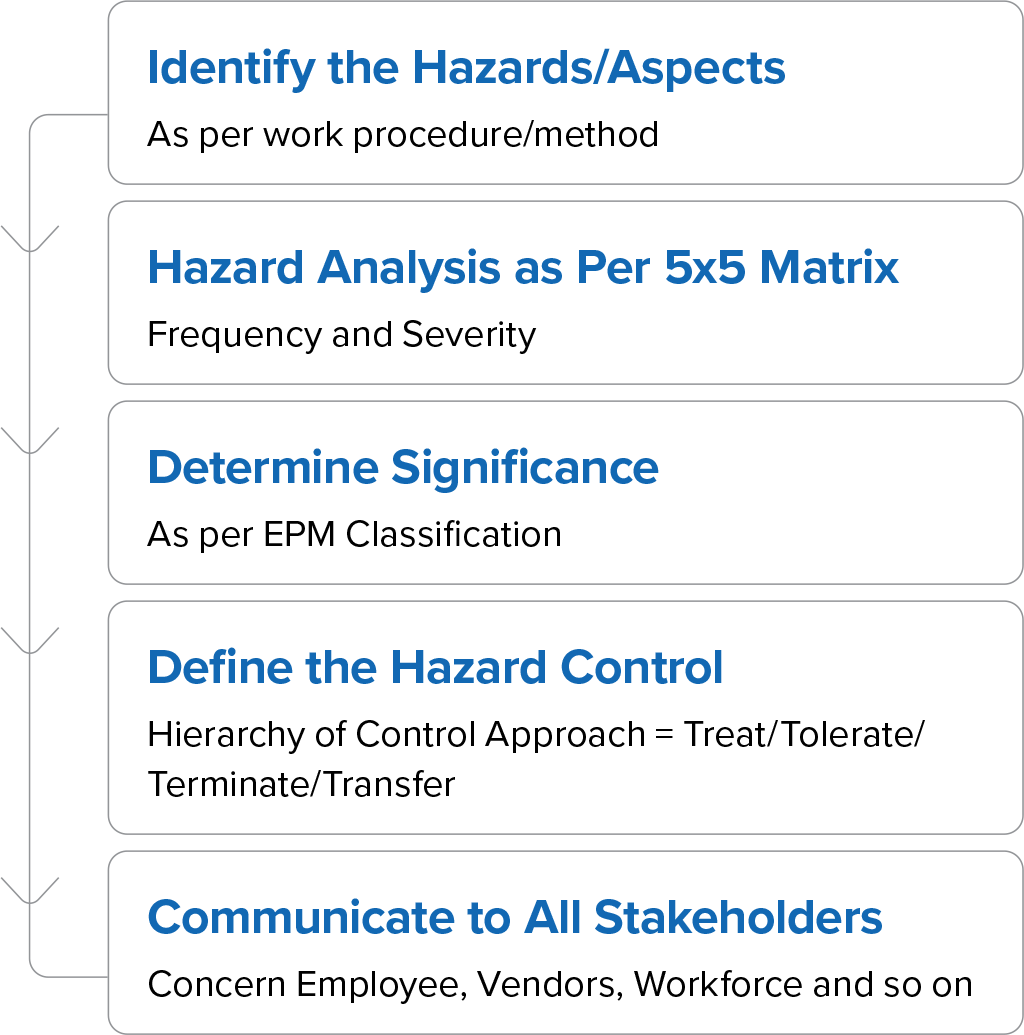
A structured ‘Hazard Identification and Risk Management’ process is in place for both routine and non-routine activities. Hazards are assessed using a risk matrix and mitigation measures are implemented based on the hierarchy of controls. This process is reviewed biannually by a cross-functional team, with digital tracking of performance parameters for continuous improvement.

Key Risk Trends and Focused Risk Reduction Initiatives

Analysis of high-consequence injuries during the reporting period identified ‘Damaged equipment’ as the leading cause, following ‘Overhead electrical lines’ in FY2024. In response, we initiated ‘Focused Risk Reduction Programme (RRP-3)’ focused on fleet and equipment safety. Other proactive initiatives include:

  • Training, Assessment and Certification Programme (RRP-2) with the British Safety Council for permit approvers working at height and lifting operations
  • Revision of the Zero Tolerance rule (ZeTo 2.0)
  • Identification and Closure of Potential Severe Events
  • Target-based Reporting and timely closure of observations and near misses
  • Use of the Safety Risk Index (SRI) as a predictive risk management tool
  • Regular Communication of Incident Learnings and Safety Messages from Leadership

Observation and Near Miss Reporting

Tata Projects encourages all workers, including sub‑contractor staff, to report observations and near misses. Employees report through a digital platform, while subcontractor workers report through their supervisors. The OHSE Policy protects workers from reprisal and empowers them to stop work or intervene in unsafe situations. Consistent reporters are recognised and rewarded to promote a proactive safety culture.

Incident Management and Digital Enablement

Our ‘Incident Management’ framework defines clear reporting timelines, investigation protocols and team structures. Corrective actions are tracked using digital tools, with large volumes of incident data analysed using Power BI dashboards. These insights support targeted improvements and risk minimisation strategies across all levels of the organisation.

Hazard Identification and Risk Assessment

Our Enterprise Risk Management (ERM) is deeply integrated with Safety and Health (S&H) requirements for comprehensive risk identification, assessment and mitigation, underpinned by processes like the Hazard and Effect Management Process and HSE Communication Process. Our multidisciplinary Risk Assessment (RA) team conducts thorough evaluations across all operational units, rating risks through a standardised matrix and documenting them in a HIRA/Aspect Register. Control measures are communicated via Toolbox or HIRA talks before work, ensuring S&H integration into daily operations.

Incident Reporting and Investigation
Incident reporting and investigation at Tata Projects is categorised into six types based on severity and is managed by a standardised process with specific timelines. A dedicated investigation team, led by the corporate or BU HSE Head, thoroughly investigates incidents, identifying root causes and outlining Corrective and Preventive Actions (CAPAs). These CAPAs are promptly implemented by the RCM, updating procedures and HIRA processes as required. Learnings from incidents, especially High Potential Incidents (HiPos) or Potential Severe Events (PSEs), are communicated and tracked via our Incident Action Tracker and digital tool. This systematic approach underscores our commitment to a safe working environment and continuous improvement through robust incident response.

Cumulative Accident-free Work Hours for Top Projects

Safety Metrics

56% of Plants and Offices Assessed by Third party for Health and Safety Practices and Working Conditions

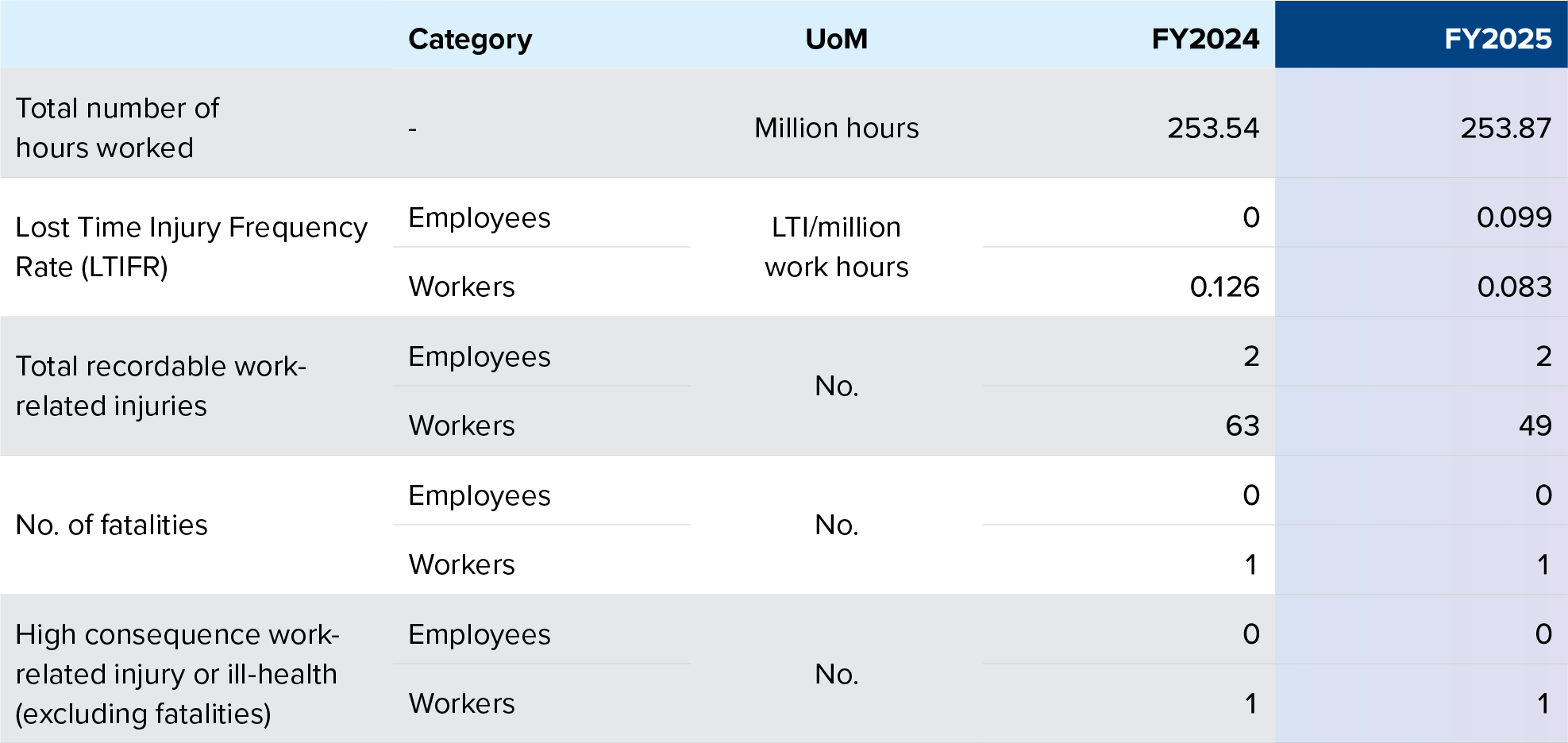
H&S Result Metrics – FY2025

Significant Progress

for leading and lagging indicator with respect to last year


17% Safety Risk Index (SRI)

82,414 Observations per 10k workforce

1,527 Near-miss incidents per 10k workforce

0.088 LTI/million work hours Frequency Rate

113 Lost days/million work hours Severity Rate

1.44 Fatality Rate

24 Lost Time Injuries (LTIs)

Action Metrics – FY2025

HSE E-learning Modules and Joint RRP Fleet Safety Actions


2,600 Employees Completed the HSE E-learning Module

15,000+ Inspections Conducted for Equipment Operator Lifting Gears

Tata Safety Heads Meet 2025

The Group Safety and Health team organised the Tata Safety Heads Meet 2025 from 17th to 19th March 2025 at the L&T Leadership Development Hub, Lonavala. This three-day event convened Safety Heads from 55 Tata companies to foster synergy, scale and speed in Group-wide safety and health initiatives. The Meet was designed to enhance collaboration, facilitate insight sharing and develop proactive safety and health strategies.

The objectives of the Tata Safety Heads Meet included:

  • Addressing common challenges and opportunities
  • Collaborating on cluster-specific initiatives
  • Discussing the Tata Group’s agenda on safety and health
  • Understanding safety plans and initiatives of various Tata companies
  • Facilitating networking opportunities between companies
  • With advancements in data, digital technology and AI transforming all aspects of operations, emphasis remained on how innovative technologies are revolutionising worker safety and enhancing operational workflows

During National Safety Week (March 4th to 10th 2025), 1,200 Tata safety professionals, representing approximately 80% of the Tata Group’s safety professionals across India, participated in the inaugural 2.5-hour multiple-choice safety proficiency exam. This assessment focused on 10 key safety and health topics. To ensure readiness, the Tata Group Safety and Health team conducted an IT infrastructure check and a mock exam for all participants on March 5, 2025.

The participants collectively agreed to explore an intervention to:

  • Enhance the knowledge of safety professionals
  • Increase familiarity with Tata group guidelines, system and standards
  • Accelerate professional competence by keeping team members abreast of changing regulations, use of technology, standards and best practices
  • Prepare themselves for international certifications

The Tata Group Safety and Health team, in collaboration with a cross-Company team of safety experts, finalised the safety proficiency exam for Tata safety professionals.

1,200 Safety Professionals undertook the first Safety Proficiency Exam at Tata Group level; of whom around 300 were from Tata Projects