Human Capital

Human capital remains central to delivering complex projects with speed, quality, and predictability. In FY2026, the Company continued to strengthen its people agenda through capability building, inclusive growth, digital HR systems, employee well-being, and a culture anchored in ethics and performance. By investing in talent, leadership, and frontline workforce engagement, Tata Projects is building a future-ready organisation equipped to support the next phase of infrastructure growth.

Building the
Workforce behind
Modern India

Key Highlights of FY2026

  • 44%

    Women in Top Leadership

  • 10

    Hours of Training per Employee in FY2026

  • 110

    Long Service Awards

Key Focus Areas

  • Culture and Engagement
  • Capability Building - Samvaad, Abhyudaya and Daksh
  • Early Talent Programme
  • Diversity and Inclusion
  • Organisation Structure and Overheads
  • Performance and Compensation
  • Frontline Skilling

Alignment with SDGs

  • UN Sustainable Development Goal 4: Quality Education
  • UN Sustainable Development Goal 5: Gender Equality
  • UN Sustainable Development Goal 8: Decent Work and Economic Growth
  • UN Sustainable Development Goal 10: Reduced Inequalities
  • UN Sustainable Development Goal 16: Peace, Justice and Strong Institutions

The Tata Group's century-old legacy of trust, ethics and nation-building is seamlessly integrated in the DNA of Tata Projects Limited. We contribute to India's infrastructure journey through large, complex and iconic projects that define the nation's growth. The scale, impact and quality of our work instil a deep sense of pride in what we deliver.

We remain committed to building an inclusive, progressive and respectful workplace where every individual feels valued, heard and empowered. Diversity and inclusion are integral to our operations, supported by equitable and gender-neutral policies. Our zero-tolerance stance on discrimination, coupled with practices that promote fairness and psychological safety, reinforces a culture of trust. Initiatives such as inclusive caregiving benefits, and expanded healthcare coverage reflect our effort to respond thoughtfully to the diverse needs of our people.

Employee well-being remains a core priority for us. Our Nirvana programme helps in mental, physical and social well-being of our employees, especially frontline workforce working in demanding environments. Regular health interventions, site-level support systems and a strong network of trained Wellness Champions enable early identification of concerns and timely assistance, ensuring a supportive ecosystem across locations.

Our ability to attract, develop and retain quality talent reflects a strong and differentiated employee value proposition. We foster a meritocratic environment where performance and potential are recognised through structured career frameworks, robust evaluation systems and transparent reward practices. Performance, capability development and rewards are closely aligned to drive fairness, accountability and sustained engagement.

We invest in building functional, technical and behavioural capabilities across levels. Leadership development programmes, Samvaad and Abhyudaya strengthen our leadership pipeline, while Daksh enhances the capability of our project leaders. Our early talent initiative, PM@10, provides structured development pathways and mentoring to prepare high-potential talent for future leadership roles. At the same time, programmes such as Oasis, reinforce managerial capability by enabling leaders to create supportive, high-trust team environments.

We are equally focused on strengthening our frontline workforce through structured skilling initiatives such as Nirmaan Nayak, Skill Shakti and Kaushal Nayak, which are building a steady pipeline of trained and certified talent for future.

TPL remains committed to building meaningful careers and future-ready capabilities for our people. With purpose, care and conviction, we will continue to nurture an organisation where individuals thrive and contribute to creating lasting impact.

Shirley Burla, Chief Human Resources Officer
Shirley Burla Chief Human Resources Officer

Key Initiatives Taken in FY2026

Culture and Engagement

Living the values and demonstrating the right behaviour; building trustworthy and high-performing teams; one site, one team.

Key Highlights

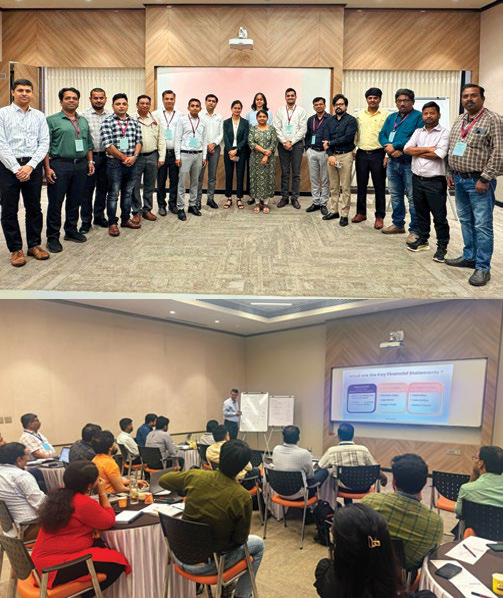
  • Oasis workshops enabled managers to build more trusting and enabling work environments by addressing beliefs, behaviours and practices; 150 managers were covered.
  • Recognised among India's Happiest Workplaces at the HWA Conclave 2026, with an engagement score of 92%.
  • 20 senior leaders participated in the Tata Story Workshop facilitated by Donn Doongaji, reinforcing leadership alignment with organisational values.
Oasis - Yours to Create

Early Talent Development

Accelerating the growth of high-potential early talent through structured career pathways and multi-functional exposure.

Key Highlights

PM@10 Programme

Designed to develop well-rounded Project Managers within 10 years of experience, aligned with TPL values, equipped with multi-functional expertise, and mentored by some of the finest minds.

15 early talents identified as Cohort 1, with six deployed as Deputy Project Managers, reflecting early progression into critical roles.

Diversity and Inclusion

Advancing an inclusive workplace through SheLeads, a platform designed to empower women employees by strengthening their Voice, Identity and Purpose (V.I.P.).

Key Highlights

  • 44% representation of women in top leadership roles.
  • 36% of women employees covered under the Women Leadership Development Programme (WLDP).
  • 78% overall coverage of women employees under the SheLeads platform.
  • Recognised by CII as one of the Top 25 companies for Excellence in Women in STEM 2025.
SheLeads

Frontline Skilling

Tata Projects is addressing the issue of skilled labour shortage through initiatives like Skill Shakti and Nirmaan Nayak, which focus on transforming unskilled workers into semi-skilled professionals. At the leadership level, domain experts are being empowered to drive our digital and operational transformation. Supporting this effort, our IT and digital teams facilitate innovation, ensure business continuity and empower us to retain our competitive edge in a dynamic operating environment.

Nirmaan Nayak: Nirman Nayak is a three-year work-integrated training programme turning 12th-pass skilled construction workers into field engineers through onsite experience and classroom learning, enabling career progression, better wages, and recognised certifications from Construction Industry Development Council (CIDC) and Kalinga University for long-term industry growth opportunities.

Skill Shakti: Skill Shakti initiative, offering a structured five-week on-the-job training. It converts unskilled and local workers into semi-skilled tradesperson, boosting employability, workforce capability, and sustainable livelihoods across construction sites.

Kaushal Nayak: The Executive Technical Apprentice Trainee (ETAT) - Kaushal Nayak programme is a flagship initiative by TPL along with Construction Industry Development Council (CIDC) to address the growing shortage of skilled manpower in the construction sector. The programme engages unemployed youth from across India and offers them a structured path combining on-site training, vocational education, and employment assurance, ultimately creating a reliable and sustainable workforce.

Key Highlights

  • 413 Frontline workforce covered under Nirmaan Nayak
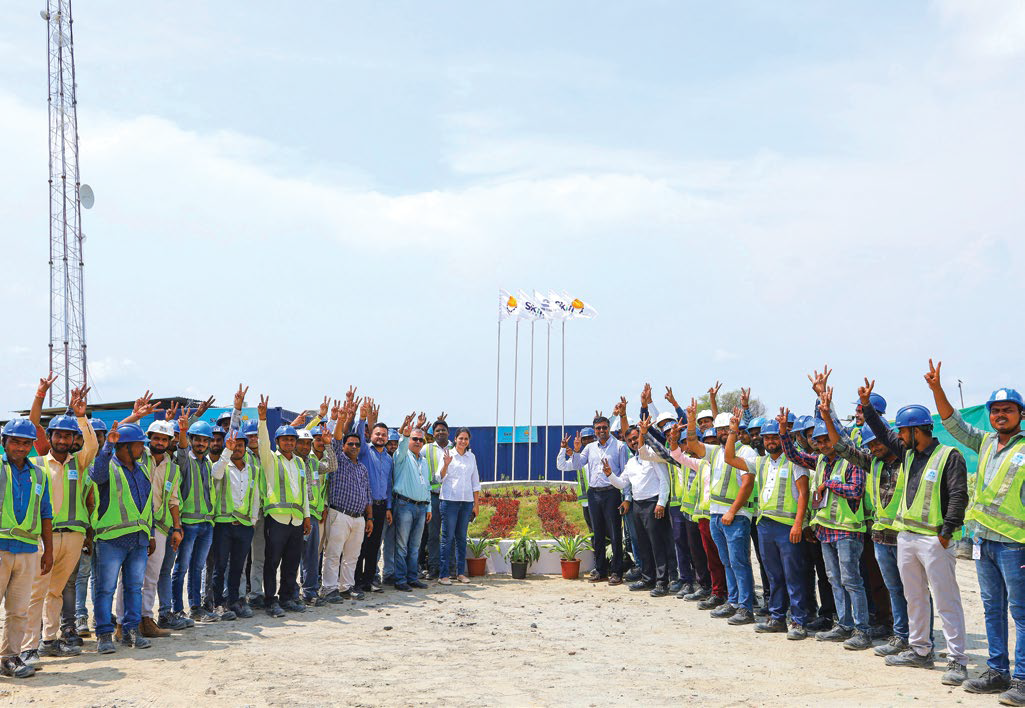
  • 8,155 Frontline workforce covered under Skill Shakti
  • 61 Frontline workforce covered under Kaushal Nayak

Capability Building - Leadership Development Programme

Building a strong leadership pipeline by equipping current and emerging leaders with strategic, functional and behavioural capabilities to drive organisational growth.

Samvaad Leadership Programme

Covered 18 leaders (VP to EVP), strengthening strategic thinking and collective leadership capability.

Abhyudaya Programme

Enabled 37 senior leaders (GM to AVP) to transition into larger roles with enhanced influence and decision-making capability.

Samvaad Leadership Dialogues Abhyudaya - Boost to Impact

Talent Management

Strengthened talent management through the identification of high-potential employees, robust succession planning, clear career pathways, and strategic talent development initiatives.

Key Highlights

Identified 300+ critical talent through internal talent assessment and talent review process as per the TPL's high potential framework

Capability Building - Daksh

Daksh is our Project Management Leadership Program, an initiative aimed at building and enhancing the functional and leadership capabilities of our Project Managers, who play a pivotal role in TPL's success.

Key Highlights

  • 56 participants from the assessed cohort are currently in Project Manager/Project Director roles.
  • Top 31 project sites are led by Daksh-assessed Project Managers, ensuring capability-led execution.
Daksh - Project Management Leadership Program

Organisation Structure and Overheads

  • Job Evaluation and Human Capital Optimisation
  • Fixing the vertical hierarchy, role clarity, delayering and de-duplication
  • On-time mobility and demobilisation

Key Highlights

Improved workforce agility with Internal Mobility at 70% (build vs buy) role vs internal fulfilment

Performance and Compensation

  • Implement Robust PMS and Total Rewards Practices
  • Benchmarking against best-in-class EPC and non-EPC
  • Introduce Objectives and Key Results (OKRs), mid-year reviews, end year reviews, and calibration to strengthen performance management
  • Variable pay and merit increment cycle

Key Highlights

100% Employees underwent regular performance appraisal
Aspire
95% Employees underwent career development reviews

Building Capability. Inspiring Growth.

Strategic Workforce Alignment

HR strategy linked to business priorities through performance-driven people practices and workforce planning for sustainable growth.

Leadership Capability Building

Targeted leadership development initiatives focused on enhancing the capabilities of critical talent to ensure future readiness.

Employee Experience and Inclusion

Employee engagement strengthened through surveys, the ASK HR support platform, an inclusive workplace culture, diversity sensitisation, and recognition and wellbeing initiatives.

Frontline Empowerment

Frontline workforce empowered through skill development, safety capability building, incentive programmes, productivity enhancement, and a strong focus on customer outcomes.

Tata Projects Culture

Our organisational culture is anchored in the Tata Values, the Tata Code of Conduct, and our mission, vision, and values, which are centred on improving quality of life through our projects. These guiding principles reflect our commitment to integrity, responsibility, excellence, a pioneering mindset, and unity.

They are further strengthened by Tata Projects' core values:

  • Safety and Integrity First
  • Accountability
  • Collaboration and Inclusion
  • Value Consciousness

Nirvana: A Well-being Initiative

At TPL, employee well-being is a cornerstone of our people strategy and a key enabler of sustainable performance. Our wellness framework adopts a holistic approach, addressing physical, emotional, social, and mental well-being, with a growing emphasis on mental health in today's dynamic work environment.

We recognise that psychological safety, resilience, and emotional balance are essential for individuals to thrive. Accordingly, our initiatives and holistic wellness app focus on building awareness, reducing stigma around mental health, and enabling timely access to support. Through structured interventions such as mental health awareness sessions, manager sensitisation, employee assistance programmes and wellness champions network, we strive to create a supportive and inclusive workplace.

This year, our intent to create a structured Wellness Champions Network, was put in action by training Site HR and Site EHS representatives across all locations to be Wellness Champions with special focus for frontline workforce. This group plays a pivotal role in encouraging our frontline workforce to use the EAP helpline number (available in regional languages) during times of distress or any support required.

Employee Benefits

We are committed to providing comprehensive benefits to all our employees. While we do not employ part-time staff, all full-time and fixed-term contract (FTC) employees receive equivalent range of key benefits. These include:

  • Health, Term Life and Accident Insurance
  • Paid leaves, including parental leave
  • Childcare support via paid creche facilities or reimbursement
  • Annual health check-ups
  • Car lease benefit
  • Employee recognition programmes
  • Retirement benefits

Employees on third-party payrolls also receive statutory benefits like:

  • Gratuity
  • Creche facilities (for women employees)
  • Statutory leaves and benefits

This approach ensures all employees, regardless of their employment type, are supported and valued with benefits tailored to their specific roles.

Parental Leaves

Category Male Female
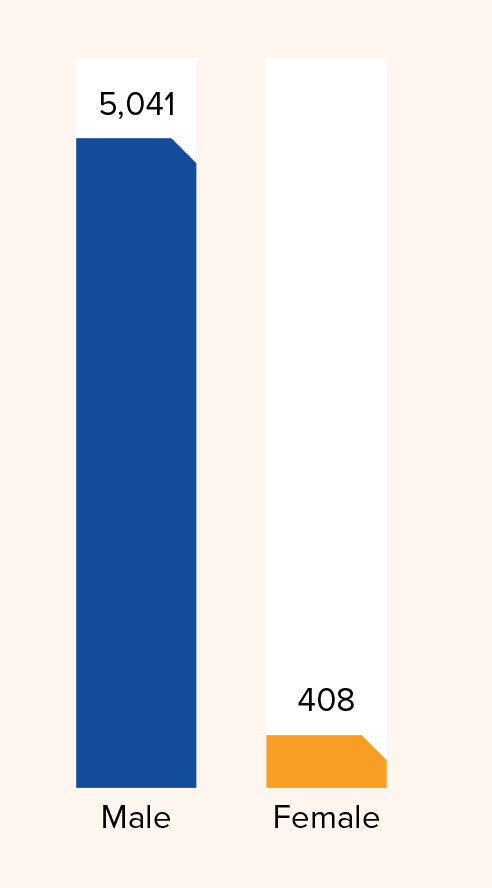
Total number of employees entitled to parental leave 5,041 408
Total number of employees who took parental leave 309 21
Total number of employees that returned to work after leave 309 20
Total number of employees that returned and were still employed after 12 months 244 19
Return to work rate 100% 95%
Retention rate 79% 90%

Worker Welfare and Site Facilities

We ensure that all project sites provide safe, hygienic, and comfortable living conditions for our workforce, supported by essential amenities and welfare infrastructure.

Across our project sites, the workmen colony is equipped with well-planned accommodation, reliable water and sanitation systems, and safe kitchen and dining facilities. Recreational spaces such as sports areas and washing facilities support overall well-being, while robust water management systems, including RO drinking water and wastewater treatment, ensure environmental compliance. Medical support is available round the clock with trained personnel, ambulance services, and first-aid facilities, ensuring timely care and emergency preparedness for all workers.

Major Well-being Initiatives in FY2026

Wellness Champions Orientation

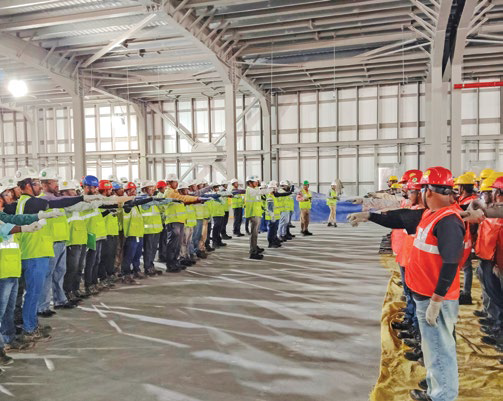
As part of Tata Projects' renewed focus on mental well-being, especially for the frontline workforce, a Wellness Champions Orientation Workshop was conducted on 9 March 2026, inaugurated by Mr Vinayak Pai, Managing Director. The programme equipped Site EHS and HR teams to act as Wellness Champions by identifying early signs of distress, initiating supportive conversations, and connecting employees to professional help including the 24/7 helpline.

Overcoming the Superwoman Syndrome

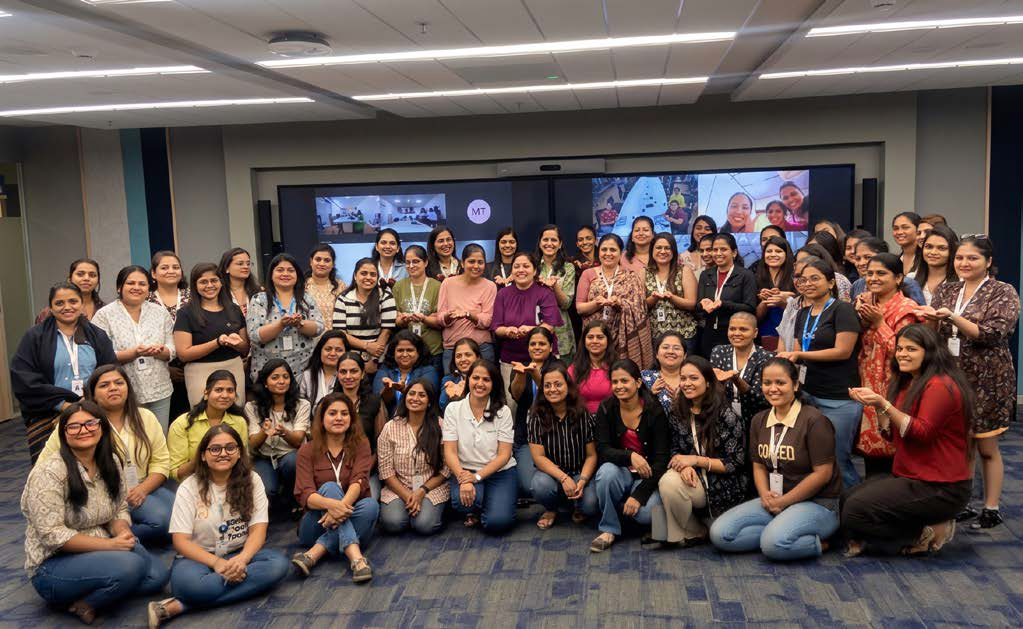
The session included a listening circle conversation between CHRO and Head of Communications and Branding, TPL. As part of the International Women's Day 2026 engagements, a dedicated well-being webinar addressed self-imposed pressure, work-life balance and burnout prevention among women employees. A follow-up Personal Branding webinar was scheduled for 27 March, extending the month-long engagement beyond celebration into practical empowerment.

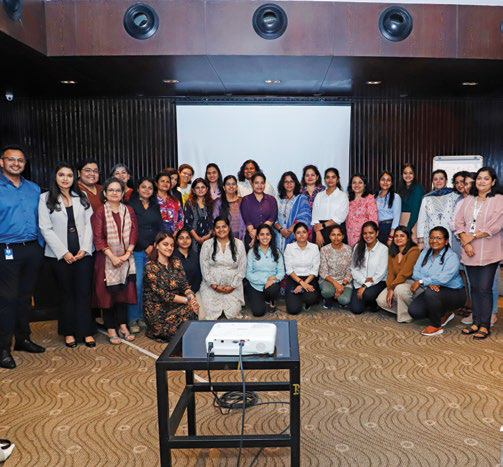
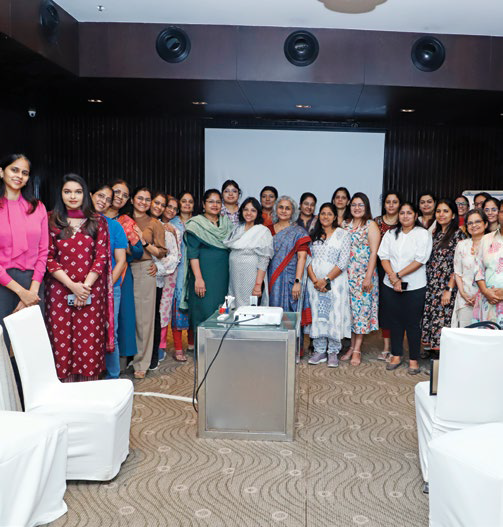
Women employees gathered together at an International Women's Day engagement

Workforce

Employees and Workers

11,493

Number of Employees

54,921

Number of Workers

Colleagues collaborating around a laptop in the office

Employment Data Overview

Employee Type FY2026 FY2025 FY2024
Permanent Employees 5,449 (12 - differently abled) 6,372 (10 - differently abled) 6,347 (3 - differently abled)
Other than Permanent Employees 6,044 6,850 6,842
Total Employees 11,493 13,222 13,189
Total Workers (Contract/Subcontract) 54,921 47,826 62,937

On-roll Employees Distribution

Employment Category FY2026 FY2025 FY2024
Full-time 5,257 6,125 6,070
Full-time Contractual (FTC) 192 247 277
Total 5,449 6,372 6,347

Employee Distribution Across Management Levels

Employee Category FY2026 - Male FY2026 - Female FY2026 - Total FY2025 - Male FY2025 - Female FY2025 - Total
Top Management 4 4 8 8 3 11
Senior Management 249 12 261 264 14 278
Middle Management 1,323 75 1,398 1,450 77 1,527
Junior Management 2,464 218 2,682# 4,166 390 4,556
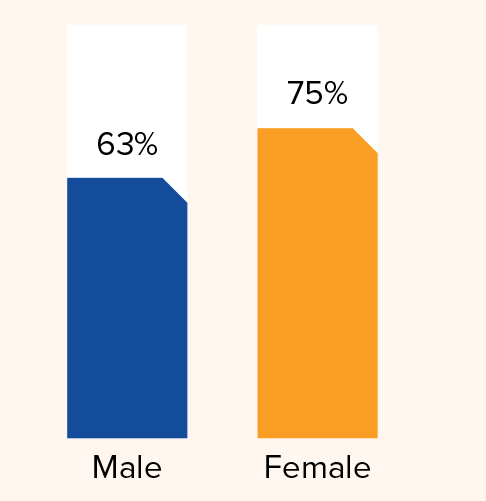
Donut chart: 63% male and 75% female senior management at significant locations of operation are hired from the local community

Percentage of Senior Management* at Significant Locations of Operation that are Hired from the Local Community

  • 63% Male
  • 75% Female

*Senior management refers to GM-EVP (other than CXOs)

# In FY2026, Junior Management excludes Non-Management Employees 1,100 (Supervisory: 896, Technical Staff: 180, Non-Technical Staff: 23), thus total employees equals 5,449

Human Rights

Tata Projects is committed to upholding and promoting human rights across its operations and value chain. This commitment is embedded in a comprehensive framework of policies and practices that ensure fair, ethical and respectful treatment of all employees and stakeholders. Our policies are periodically reviewed and updated to remain aligned with evolving legal requirements, global standards and best practices. Any revisions are communicated clearly across the organisation to ensure awareness, understanding and consistent implementation.

In FY2026, Tata Projects successfully conducted specialised Human Rights awareness sessions, where 5,247 employees completed the e-module on business and human rights.

100% of security personnel have received formal training on the organisation's human rights policies, as well as specific procedures governing their application to security operations. During FY2026, a total of 361 security personnel were deployed across the organisation through two primary agencies, Terrier and Geekay. All deployed personnel were covered under human rights training, ensuring full compliance with the organisation's standards.

Freedom of Association and Collective Bargaining

The Company does not interfere with the right of workers to express themselves freely, nor their right to access information that enables them to perform their work properly. It is the choice of each worker whether or not they wish to join a trade union, and the Company respects those choices. Employees performing the same work to the same standards of flexibility and productivity will receive comparable remuneration and employment conditions, whether employed under individual or collective agreements.

Prevention of Sexual Harassment (POSH)

We maintain a zero-tolerance stance against sexual harassment in the workplace and are committed to fostering an environment where every individual is treated with respect and dignity. Our goal is to create a workplace where people operate as equals, free from bias or exploitation. Clear policies and procedures are in place to address complaints in accordance with the provisions of the Sexual Harassment of Women at Workplace (Prevention, Prohibition and Redressal) Act, 2013. The Company adheres to the principle of gender neutrality, and complaints involving individuals or situations not covered under the Act are addressed as per the Tata Code of Conduct and applicable Company service rules.

An Internal POSH Committee, comprising members from corporate offices, project sites, and external representatives, is in place to handle such matters and can be reached at posh@tataprojects.com.

Additionally, POSH awareness is reinforced through a dedicated module within the mandatory TCoC e-learning programme, which all employees are required to complete.

During the year, eight POSH cases were registered, all of which were addressed in accordance with our established policies and procedures.

Grievance Redressal Mechanism for POSH

We follow a consistent process for receiving, inquiring into, and investigating complaints raised by employees, while also providing reasonable accommodation to employees with disabilities to enable their participation in the process.

Complaints are generally expected to be reported within 30 days of the incident, with investigations and resolution targeted within 90 days; in exceptional circumstances, this timeline may be extended by a further 90 days. We maintain a strict non-retaliation approach and do not tolerate harassment, victimisation, or any form of adverse treatment against employees who raise genuine concerns in good faith.

Grievances relating to prevention of sexual harassment are governed by our POSH Policy and handled through the Internal Committee, with substantiated cases addressed in line with disciplinary and consequence management guidelines. In matters relating to transgender employees, complaints are addressed in accordance with the Transgender Persons (Protection of Rights) Act, 2019 through designated officers and our Diversity and Inclusion function.

Employees may raise concerns through multiple designated channels, including the Liaison Officer, Complaint Officer, POSH Presiding Officer, or the D and I team. Confidentiality of the complainant is safeguarded throughout the process, and corrective action is taken based on inquiry findings. Where required, dedicated Grievance Redressal Cells may also be constituted with support from employee resource groups to ensure equitable resolution of concerns.

Digitising Grievance Redressal for Trainees

In June 2025, Tata Projects introduced a centralised, digital grievance redressal platform for trainees, replacing the earlier email-based process. Accessible at https://dx.tataprojects.com/app/41, the app enables trainees to raise concerns seamlessly, while equipping HR teams with structured workflows to manage and resolve cases efficiently. With real-time tracking, automated processes and greater visibility, the initiative strengthens fairness, responsiveness and overall employee experience.

Key features

  • Digitised Grievance Submission: Trainees can easily log grievances in the application
  • Streamlined Review Process: Site HR and Campus HR teams can efficiently review grievance details, categorise issues, and manage the resolution workflow.
  • Enhanced Transparency: Users can track the status of their grievances in real-time, from submission to resolution.
  • Improved Efficiency: Automated workflows and clear visibility reduce processing times and administrative burden.

Talent Management and Human Capital Development

At TPL, people are at the core of long-term value creation. The Company's talent management approach is anchored in building a strong, future-ready organisation by systematically identifying, developing, and retaining high-potential talent to support sustainable growth and leadership continuity.


During the year, TPL strengthened its integrated objective of High-Potential Talent Identification Framework, designed to move beyond the assessment of current performance and focus on future readiness for larger, more complex roles. The framework enables a holistic evaluation of talent by differentiating performance from potential and emphasising attributes such as learning agility, adaptability, resilience, leadership capability, and alignment with organisational values.

The assessment process is structured around a robust '4C' framework, covering both observable leadership behaviours and deeper intrinsic traits critical for success in an evolving business environment. Inputs from managers are complemented by stakeholder feedback and calibrated through formal talent review forums, reinforcing fairness, transparency, and consistency in decision-making.

As part of TPL's commitment to responsible talent practices, employees are segmented into defined talent pools to support succession planning, internal mobility, and targeted development interventions. High-potential employees are provided differentiated development opportunities, including exposure to complex assignments, cross-functional roles, mentoring, and focused learning pathways.

Through this structured and inclusive approach to talent management, TPL continues to strengthen its leadership pipeline, enhance employee engagement, and ensure the availability of capable and values-driven leaders, supporting business resilience, organisational agility, and long-term stakeholder value in line with Tata Group's ESG and human capital principles.

A professional working at a laptop in a bright office

Talent Acquisition and Retention

Our talent management approach is focused on building a future-ready organisation by systematically identifying, developing and retaining high-potential talent to support sustainable growth and leadership continuity. We aim to select talent that not only meets role requirements but also demonstrates strong teamwork, clear thinking, and effective problem-solving skills.

737

Employees over 10 years of tenure

72.39%

Internal Mobility Rate

Performance Management

Employees receiving regular performance and career development reviews

  FY2026 FY2025 FY2024
Male Female Male Female Male Female
Regular Performance 5,041 408 5,490 408 5,137 332
Career Development Review 4,858 388 5,490 408 5,137 332

Career Transition Programme for First-Time Managers

Recognising that the shift from individual contributor to people manager is one of the most critical transitions in a career, TPL's Career Transition Programme for First-Time Managers continued in FY2026. The programme continues to prepare managers to build trust, communicate effectively, delegate confidently and lead teams with purpose.

New Hires

Our Talent Compass

Corporate Industry Hiring
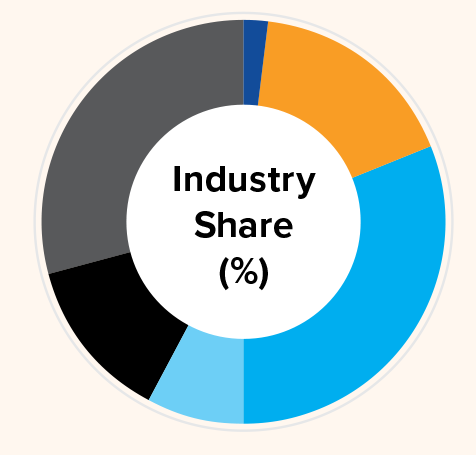
Donut chart of industry share of corporate hiring
  • 2% Banking / CA Firm / Risk Mgmt. / Trading
  • 17% Consulting / Law Firm
  • 31% EPC
  • 8% IT
  • 13% Manufacturing / Production
  • 29% Others
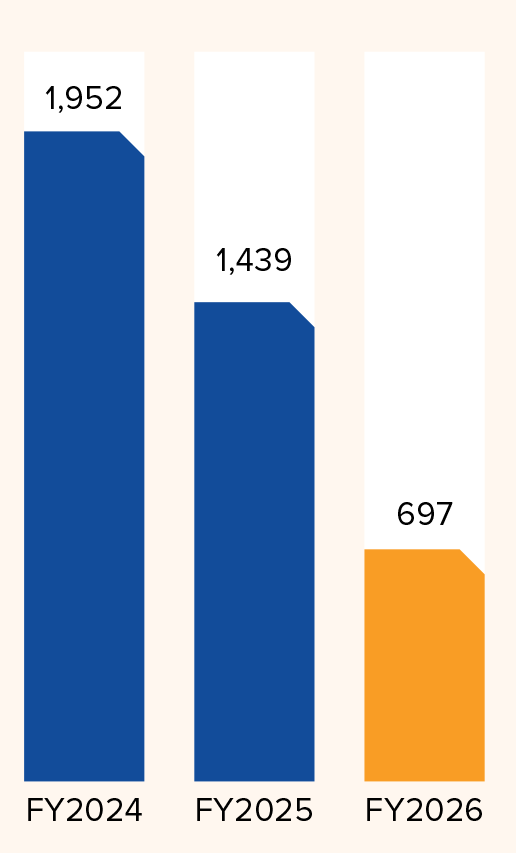
Total New Hires (nos.)
Total new hires: FY2024 1,952, FY2025 1,439, FY2026 697

New Hires by Gender

  FY2026 FY2025 FY2024
Female 52 131 186
Male 645 1,308 1,766
Total 697 1,439 1,952

New Hires by Region

  FY2026 FY2025 FY2024
India 689 1,434 1,937
Overseas 8 5 15
Total 697 1,439 1,952

New Hires by Age Group

  FY2026 FY2025 FY2024
Up to 30 150 434 990
30 to 50 498 894 883
More than 50 49 111 79
Total 697 1,439 1,952

Specially-abled Personnel Hired in the Workforce

FY2026 FY2025 FY2024
12 10 3

Turnover and Attrition Rate

Total Turnover (nos.) (including retired, death and group transfer employees)
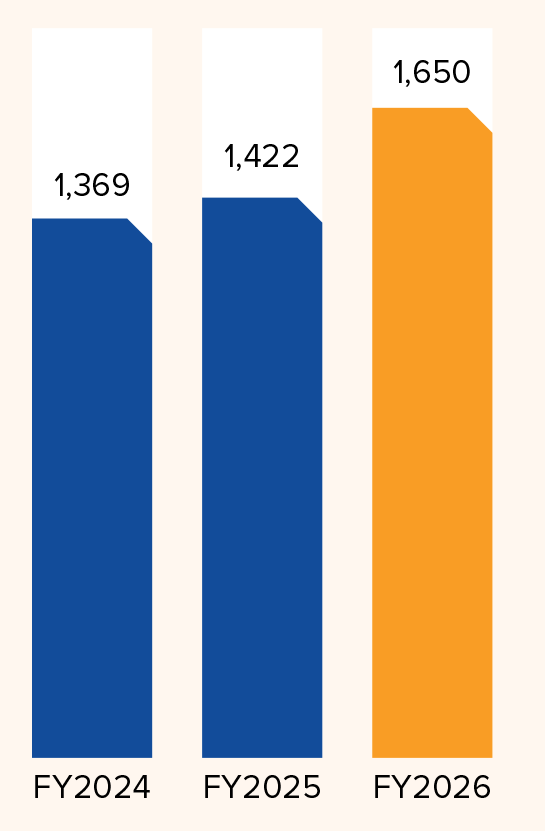
Total turnover: FY2024 1,369, FY2025 1,422, FY2026 1,650

Employee Turnover by Gender

  FY2026 FY2025 FY2024
Female 129 122 93
Male 1,521 1,300 1,276
Total 1,650 1,422 1,369

Employee Turnover by Region

  FY2026 FY2025 FY2024
India 1,613 1,399 1,319
Overseas 37 23 50
Total 1,650 1,422 1,369

Employee Turnover by Age Group

  FY2026 FY2025 FY2024
Up to 30 384 399 427
30 - 50 1,091 896 783
Over 50 175 127 94
Total 1,650 1,422 1,304

Employee Diversity

Diversity by Gender (On-roll) (nos.)
Diversity by gender on-roll: FY2024 6,347, FY2025 6,372, FY2026 5,449

Diversity by Region

Region Number of Employees
India 5,365
Overseas 84
Total Employees 5,449

Diversity by Age

Age Group Number of Employees Male Female
Up to 30 years 1,016 816 200
30 - 50 years 3,741 3,559 182
Over 50 years 692 666 26
Total 5,449 5,041 408

Diversity and Inclusion

At Tata Projects, Diversity and Inclusion (D and I) is not a policy - it is a practice integral to our values and business success. We are committed to fostering a workplace that is inclusive, equitable, and respectful. We continue to strengthen our D and I agenda through inclusive policies, fair recruitment practices, leadership accountability, and learning initiatives that promote awareness and belonging. By nurturing a diverse workforce and an inclusive culture, we enhance collaboration, innovation, and sustainable growth, reinforcing our commitment to responsible business practices and long-term value creation.

Tata Projects' mandatory TCoC e-module trainings include a dedicated chapter on diversity and inclusion that every employee must complete. In FY2026, TCoC training sessions were conducted across multiple project sites, including TCS Trivandrum, TCS Siruseri Chennai, Dholera, Microsoft Noida and TCS Noida, reinforcing the lived experience of inclusive, ethical workplaces.

A diverse group of colleagues together at the workplace
  • 92.5% Male Employees
  • 7.5% Female Employees
  • 44% Women in Leadership (On-roll)

Equal Opportunity Employer

As an equal opportunity employer, Tata Projects values diversity and welcomes talent from varied cultural, social and demographic backgrounds. Our 10,000+ strong workforce, with an average age of 38 years, reflects a healthy balance of experience, fresh perspectives, and energy, enabling us to remain agile and forward-looking.

We are committed to strengthening gender diversity and inclusion by creating meaningful opportunities for women across levels in the organisation. Our initiatives include enhancing site infrastructure, focused recruitment efforts, structured talent development programmes, gender-sensitivity training, and the promotion of an inclusive workplace culture. To support women at critical life stages, we have adapted our performance management processes for returning mothers and implemented mentorship programmes, in collaboration with the Tata Group, to enable holistic professional growth. Guided by Tata Projects' Diversity and Inclusion Policy, we uphold the principles of diversity, equity, and inclusion, and are steadfast in eliminating discrimination on the basis of age, gender, sexual orientation, ethnicity, race, and physical or mental ability.

Colleagues celebrating together in the office

Major DEI Initiatives

SheLeads

We not only believe in promoting equality but also in empowering our women leaders to realise their fullest potential. SheLeads, our umbrella platform for women-focused initiatives continues to be a cornerstone of our people strategy, encompassing three pillars:

Women Leadership Development Programmes

Tailored workshops aimed at building leadership skills and capabilities of women in junior and middle management roles.

Listening Circles

A safe, informal space for women to connect, share experiences and engage with senior leaders through candid conversations. In FY2026, a session featured Ms. Nishi Vasudeva, Independent Director at TPL, who shared her journey through the framework of the 'ABCs of Owning Your Career'.

SheLeads Mentoring Programme

Formally launched in March 2026, during International Women's Day, this structured programme connects women employees with senior mentors to support career growth and leadership development.

Case Study

She Leads in Action

Joining Tata Projects as a Management Trainee in 2022, one of our colleagues began her journey managing the Wrench Smartproject App. She quickly progressed to become the first female EHS Lead to independently manage a 2 km road stretch, achieving zero LTIs, zero RWCs and zero MTCs over five months. Today, she serves as the first female EHS In-charge for a major road project, leading EHS compliance for over 900 workers. Her leadership has also contributed to a significant improvement in the site's Safety Index (SI), from over 70 to below 30, and earned consecutive recognitions from TNRDC and the National Safety Council.

307 (78%) Women benefitted from SheLeads Programme

Pay Equality

In FY2026, our Managing Director's remuneration stands at 75 times the median employee remuneration, with the Managing Director's remuneration increased by 5%. Simultaneously, the median employee remuneration across our organisation experienced a 18% increase as of March 31, 2026.

  Executive Level Management Level Non-Management Level
Ratio of basic salary and remuneration of women to men 0.65 0.87 0.69

Employee Training and Engagement

We place talent development at the heart of everything we do, investing in comprehensive training, mentoring and structured learning to prepare our people for leadership roles and future challenges. This includes leveraging the Tata Management Training Centre (TMTC) for cross-sector learning and Tata Tomorrow University (TTU) for global opportunities. Our revised L and D policy continues to focus on project management, technical, behavioural and Compliance Programmes, delivered through a blend of online and classroom-based sessions. In FY2026, we launched a refreshed learning calendar under the theme 'Freedom to Learn', giving employees the autonomy to chart their own development paths in alignment with their current and future roles.

Workers and engineers being trained together on site
  • 5,449Employees Trained
  • 1,053Employees completed ESG E-module
  • 10No. of Unique Programmes
  • 10Average training hours per employee
  • 5,247Employees completed the e-module on business and human rights

Freedom to Learn - FY2026 Learning Calendar

In FY2026, TPL launched a refreshed learning calendar built on the philosophy of 'Freedom to Learn: Curiosity to Intent to Expertise.' This self-directed model gives employees the autonomy to register for programmes aligned to their development goals - in consultation with their managers.

The calendar introduced 12 new in-person programmes across five categories:

  • Career Transition Programmes - First Time Managers
  • Functional Programmes - Advance Excel and Data Analytics
  • Behavioural Programmes - Conflict Resolution, Managing Self, Strategic Communication, Business Communication for Impact, Effective Collaboration, Execution Leadership, Managing with Emotional Intelligence
  • PMCOE Programmes - CPMDP Batch 2: Construction Project Management Development
  • PM Enabling Functions - Project Planning and Controls
An engineer in safety gear on site during a learning session

Learning Management System

The Tata Projects Academy LMS remains integrated with Tata Tomorrow University (TTU) and NPTEL Courses, offering universal e-learning access. Various programmes have been added to Corporate L and D modules based on suggestions from business leaders, helping address business priorities and specific skill development needs.

L&D Programmes Conducted in FY2026

Leadership Programmes

  • Strategic Communication
  • Effective Business Communication
  • Effective Collaboration
  • Conflict Resolution
  • Effective Decision Making
  • Managing Self
  • Execution Leadership
  • Flawless Execution
  • Managing with Emotional Intelligence
  • Business Communication for Impact

Career Transition Programmes

  • First Time Managers
  • Manager of Managers

WLDP

  • SheLeads

Functional Programmes

  • Data Analytics
  • Excel Advanced
  • CPMDP (Construction Project Management Development Programme)
  • PM Enabling Functions

e-Learning Modules

  • Design Thinking
  • Tools for Problem Solving
  • Critical Thinking
  • Finance for Non-Finance
    (listed as an e-Learning module in content)
  • Cognitive Flexibility
  • Communication Skills
  • 7 Steps Analytical Thinking
  • Conflict Management
  • Problem Solving
  • Barriers to Problem Solving

Workforce Training Details

Training Total Hours Participants
Health and Safety (Total Training Hours and Total Participants) 3,639 3,587
Ethics and Compliance 21,506 5,449
Daksh 2,144 52
Abhyudaya 1,024 32
Samvaad 288 18
SheLeads WLDP 1,152 48
Oasis 1,992 249
Nirmaan Nayak 26,432 413
Kaushal Nayak 3,904 61
Skill Shakti 22,83,400 8,155
Code of Conduct training and Human Rights 24,370 5,247
Climate Risk 10 65

Participation of Employees (On-roll) in Learning and Development Training

Gender FY2026
Female 96%
Male 96%

Training Summary

Category FY2026
Total Employees 5,449
Total Trained Employees 5,404
Total Male Employees 5,041
Total Male Trained Employees 5,001
Total Female Employees 408
Total Female Trained Employees 403
Total Hours Trained 57,589
% Top Management Trained 100%
% Senior Management Trained 99%
% Middle Management Trained 98%
% Junior Management Trained 99%
% Supervisory Trained 99%
% Non-Technical Staff Trained 99%
% Technical Staff Trained 99%

Employee Engagement

We continued to strengthen employee engagement in FY2026 through a combination of digital enablement, community participation, and purpose-led initiatives that enhanced the overall employee experience. The ASK HR platform, powered by SAP SuccessFactors, served as a single-window employee support channel, enabling staff to raise HR queries, track case status in real time and access a self-service knowledge base, thereby improving responsiveness, transparency, and ease of access to HR services.

  • 1,000+ Workers from our Skill Shakti Workforce Deployed for our Tata Power Projects
  • 3,200+ Workers Trained and Employed across Project Sites

Nirmaan Nayak and Skill Shakti

Skill Shakti is a focused initiative aimed at equipping individuals from local communities with industry-relevant skills, certifications, and employment opportunities. Through structured training and targeted outreach, the programme enhances employability and builds workforce readiness.

The broader objective is to strengthen India's construction ecosystem by developing a future-ready workforce capable of meeting evolving industry demands.

Engagement and Impact

  • Community Outreach and Awareness: Drives participation through targeted engagement and awareness-building on skilling opportunities
  • Sustainable Development: Establishes a long-term foundation for skill development and employment generation
  • Bridging Talent Gaps: Aligns local talent with industry requirements
  • Economic Empowerment: Supports livelihood generation and professional growth, particularly within underserved communities
  • Scalability: Designed for expansion to further strengthen outreach and impact
Trained frontline workforce gathered at a project site

Health and Safety

Occupational Health and Safety Management System (OHSMS)

We adhere to an ISO 45001:2018 certified Occupational Health and Safety Management System (OHSMS), covering all on-roll employees, off-roll employees and sub-contractor workers across our project sites, offices and manufacturing facilities. Its scope includes design, engineering, procurement, construction, commissioning, operation, and the repair and maintenance of infrastructure projects, including metro projects along with manufacturing of steel structures.

Site workers gathered at a safety briefing on a project site
  • 91%Projects Had Zero LTIs
  • 100%Workers Covered under Occupational Health and Safety Management System
  • 221Accident-free Work Hours (in Million)

Safety Metrics

Safety Incident/Number Category FY2026 FY2025
Number of hours worked (Employees) (in million hours) - 19.70 20.25
Number of hours worked (Worker) (in million hours) - 235.5 253.87
Lost Time Injury Frequency Rate (LTIFR) (per one million-person hours worked) Employees 0 0.099
Workers 0.055 0.083
Total recordable work-related injuries Employees 1 2
Workers 52 49
No. of fatalities Employees 0 0
Workers 4 1
High consequence work-related injury or ill-health (excluding fatalities) Employees 0 0
Workers 1 1
69% of plants and offices assessed for health and safety practices and 69% for working conditions

% of plants and offices that were assessed (by entity or statutory authorities or third parties)

  • 69% For Health and safety practices
  • 69% For Working Conditions

H&S Result Metrics - FY2026

  • 16%Safety Risk Index (SRI)
  • 0.055LTI Frequency Rate (Workers)
  • 5,26,164Observations
  • 0.017Fatality rate (Workers)
  • 9,864Near-miss incidents
  • 13Lost Time Injuries (LTIs)
  • 116.30Severity Rate (lost days/mn work hours)

Action Metrics - FY2026

  • 6,000+Employees, including sub-contractor employees, completed 12 E-Learning modules deployed across the organisation
  • 189Potential Severe Events (PSEs) identified with 100% action implementation across organisation
  • 962 (96%)EHS resources went through EHS proficiency programme with measurable improvements from last FY
  • 650+Dedicated leadership Genba walk on sites including 12 by MD/N-1 from after its launch in Jan'26
  • 47Weekly EHS Insights by operational leaders
  • 49,700+Tool box talks by frontline workers (technicians, operators, labourers) to share real experiences-building stronger ownership, engagement, and safety culture across the team

TPL as Industry Voice

In FY2026, Tata Projects participated in GE Vernova's 3-Day EHS Operational Excellence Workshop in Delhi, Raising the Bar on Safety. TPL's representative contributed insights on cultivating safety culture, leadership accountability and the use of innovative tools, including VR-based training and AI-driven risk assessment, positioning Tata Projects as a recognised thought leader in construction EHS.

Worker Participation and Engagement

Worker consultation and participation are integral to our OHSMS. Engagement initiatives such as monthly rewards and recognition, mass safety campaigns and daily task briefings help gather worker feedback, encouraging open dialogue and a safety-first culture. 50% of Safety Committee members include representatives from workers.

National Safety Week 2026 delivered record-level engagement, with 100% participation across all 122 active projects and nearly 70% of toolbox talks led by the frontline workforce, reflecting deep ownership of safety culture beyond supervisory roles.

Milestones Achieved in National Safety Week 2026

  • 100%Projects Participated
  • 880Stop Work Authority Awareness Sessions
  • 31,446Man-hours of Awareness Sessions
  • 2,411Employees Completed PTW E-learning
  • 3,345Toolbox Talks by Non-Supervisory Personnel
  • 2,692Man-hours of Customer Engagement

Observation and Near-Miss Reporting

Tata Projects encourages all workers, including sub-contractor staff, to report observations and near misses. Employees report through a digital platform, while subcontractor workers report through their supervisors. The OHSE Policy and Stop Work Authority Policy protects workers from reprisal and empowers them to stop work or intervene in unsafe situations. Consistent reporters are recognised and rewarded to promote a proactive safety culture.

Incident Management and Digital Enablement

Our Incident Management framework defines clear reporting timelines, investigation protocols and team structures. Corrective actions are tracked using digital tools, with large volumes of incident data analysed using Power BI dashboards. These insights support targeted improvements and risk minimisation strategies across all levels of the organisation, underscoring our commitment to a safe working environment and continuous improvement through robust incident response.

Safe Man-hour Milestones

Project Name Safe Million man-hours
Noida International Airport 86.1 Million
Pune Metro Line 03 42.2 Million
KPO Phase-2 35.3 Million
Gulermak TPL Pune Metro JV 34.9 Million
WDFCC-VAITARNA CTP 11 32.9 Million
HRRL-DCU 26.1 Million
CMRL TU 01 21.5 Million
HRRL-VGO 18.4 Million
HRRL-CDU/VDU 15.5 Million
NTPC Talcher 13.4 Million
CMRL UG-06 8.6 Million
TSK Coal Vertical Shed (CVS) 7.9 Million
Gigafactory, Phase-1 7.9 Million
IOCL MS Block 7.5 Million
CMRL UG-02 7.2 Million

From project start date to 31st March, 2026

Safety Campaigns in FY2026

Throughout FY2026, we conducted a series of structured safety campaigns to strengthen awareness, enhance capabilities and reinforce a proactive safety culture across our project sites. These initiatives brought together employees, business partners, contractors, clients and external safety experts to promote safe behaviours, improve operational preparedness and strengthen leadership commitment towards our Zero Harm vision.

Key campaigns during the year included:

  • Road Safety Month: Conducted across 126 project sites, the campaign engaged over 75,000 participants through 220 roadshows and safety rallies, 10,000 defensive driving training hours, 8,600 customer engagement hours, recognition of 1,100+ employees for exemplary safety practices, and community awareness initiatives reaching 5,300 people.
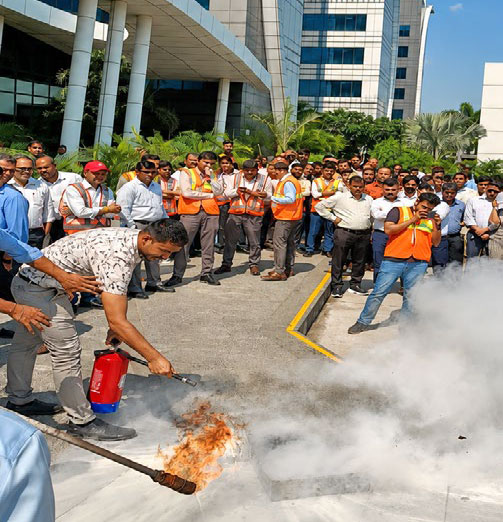
  • Emergency Preparedness Drill - Impact Day: Organised across 121 project sites, the initiative witnessed participation from 45,967 Tata employees, 2,629 contract workforce personnel and 121 senior leaders. The drills strengthened emergency response capabilities through fire and evacuation mock drills, firefighting and extinguisher demonstrations, first-aid and casualty handling exercises, work-at-height rescue demonstrations, engagement with external emergency agencies, refresher training sessions and post-drill learning reviews.
  • Leadership-led Safety Engagement: Senior management reinforced the Company's safety commitment through leadership interactions, safety pledges and the distribution of safety badges, fostering visible leadership and collective ownership of workplace safety.
  • Critical Risk Awareness and Capability Building: Specialised programmes focused on work-at-height safety, mobile crane operations, lifting safety, equipment safety and rescue demonstrations, enhancing competency in high-risk construction activities.
  • PPE and Occupational Safety Awareness: Awareness sessions, delivered in collaboration with industry experts, strengthened understanding of the correct selection, usage and maintenance of personal protective equipment across project sites.
  • Recognition of Safety Excellence: The campaigns concluded with recognition of individuals and project teams for outstanding safety performance, reinforcing continuous improvement and sustaining a strong safety-first culture across the organisation.

Hazard Identification and Risk Assessment (HIRA)

A structured Hazard Identification and Risk Management process is in place for both routine and non-routine activities. Hazards are assessed using a risk matrix and mitigation measures are implemented based on the hierarchy of controls. This process is reviewed biannually by a cross-functional team, with digital tracking of performance parameters for continuous improvement.

Key Risk Trends and Focused Risk Reduction Initiatives

Basis analysis of incidents, audit findings during the reporting period and industrial good practices, a range of focused risk reduction initiatives have been progressed:

  • ZeTo Life-Saving Rules Campaign (ZeTo 2.0): Shifted to ZeTo 2.0 to strengthen safety through data-driven, simple, and proactive Life Saving Rules. Mandatory e-learning modules launched on LMS for each rule.
  • Risk Reduction Programme (RRP) Phase 2: Fully evolved into an in-house model with revamped TPL-specific content, field feedback integration and an assessment framework in partnership with AON. Three Train-the-Trainer workshops conducted at Noida, Mumbai and Hyderabad (September 2025), engaging 62 certified HSE professionals.
  • Potential Severe Events (PSE) Programme: Active since August 2022 - 1,103 PSEs identified and archived as of March 2026, each providing actionable learning for site teams. The learning implementation on ground is also being tracked digitally.
  • Target-based reporting and timely closure of actions coming out of observations and near misses across all projects.
  • Use of Safety Risk Index (SRI) as a predictive risk management tool.
  • Regular Communication of Incident Learnings and safety messages from leadership through Weekly HSE Insights (now at Episode 190+).

Strengthening Safety Through the Risk Reduction Programme

Phase 2 of the Risk Reduction Programme (RRP) builds on the strong foundation established in Phase 1, with a sharper focus on critical high-risk activities, particularly Working at Height and Lifting and Erection operations. The programme has been further strengthened through Tata Projects-specific learning content, extensive inputs from trainers and field teams, and a structured in-house assessment framework designed to enhance relevance, competency and on-site application.

As of March 2026, Phase 2 has achieved significant scale and impact, reinforcing permit discipline, competency enhancement and safe execution standards across projects. The programme continues to play a critical role in strengthening EHS risk awareness and driving sustained improvements in EHS performance across project sites.

  • 1,559PTW Issuers Trained
  • 24,500+Training Work Hours Completed
  • 1,340Employees Assessed through Online Evaluation
  • 1,136Employees Successfully Cleared the Eligibility Test

Safety Governance

Our OHSE policy underlines our commitment to a safe and healthy workplace through strict compliance, periodic risk assessments, structured training, enforcement of control measures, emergency preparedness and robust vendor safety standards. Governance frameworks are supported by monthly Safety Committee meetings at applicable project sites, with 50% worker representation. Their roles, responsibilities and decision-making authorities are defined at the project level.

Workforce Training on Health and Safety

Our training process begins with Training Need Identification, followed by the development of project-specific training calendars, tracked digitally each month. Construction medical officers are deployed at project sites as per legal norms, and weekly doctor visits are arranged at office locations. Health and wellness are supported through recreational facilities at labour camps and regular health awareness sessions for workers.

Comprehensive First Aid Training was also conducted in FY2026 across offices in Hyderabad (60 employees), Mumbai (49) and Noida (28), delivered by expert external agencies, equipping every office team member to respond confidently to medical emergencies.

Workers in safety helmets gathered at a training session on site

Suraksha Nayak: Empowering Safety. Transforming Careers.

In FY 2026, TPL launched Suraksha Nayak, a pioneering Frontline Skilling Program for Site Safety Officers - a first-of-its-kind initiative in the construction sector. The inaugural batch comprises 50 Safety Champions who have embarked on a one-year Vocational Diploma in Construction Safety, delivered in collaboration with the Construction Industry Development Council (CIDC) and Kalinga University, Raipur.

This unique opportunity offers:

  • Work integrated on-the-job learning
  • Enhanced career opportunities for security personnel
  • Higher earning potential
  • A strong culture of safety and compliance

EHS Boot Camp

A two-day immersive boot camp was conducted at Kanpur (August 27-28, 2025) for T and D project leaders. Combining classroom sessions, field activities, group exercises and reflective learning, the programme built stronger EHS leadership capabilities at site level. Conducted jointly by Senior Leadership from operation and EHS.

Project Recognitions

Key EHS milestones and achievements recorded across projects during FY2026 reflect the organisation's continued focus on proactive risk management and continual improvement in EHS performance, supporting safer and more resilient project delivery.

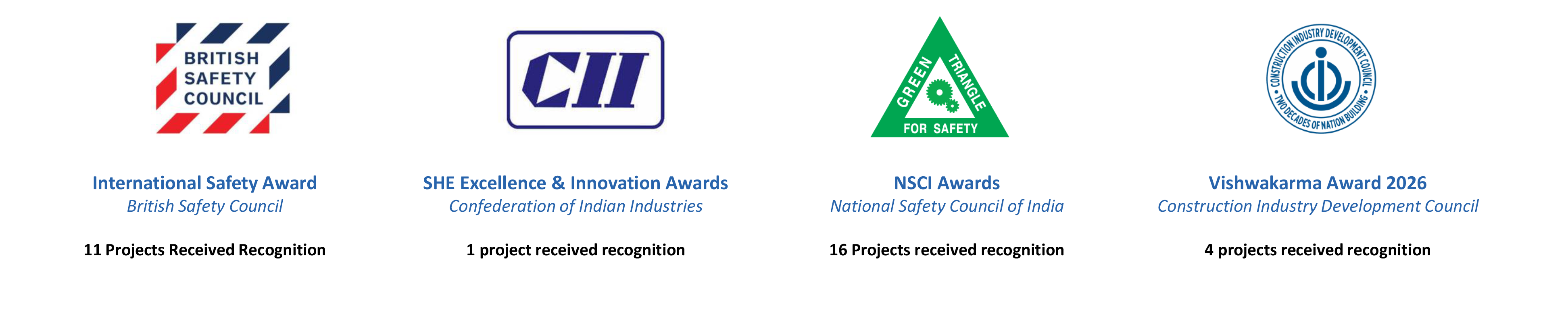
EHS award recognitions: British Safety Council International Safety Award, CII SHE Excellence and Innovation Award, NSCI Awards, and Vishwakarma Award 2026

4 Auto entry award to Gonda Tanda TL project (Among all the projects enrolled globally)

  • BEST IN REGION
  • BEST IN COUNTRY
  • BEST IN SECTOR (INDIA & GLOBAL)
  • CHIEF ADJUDICATOR Award