Social And Relationship Capital
Connecting People: Fostering Collaboration and Partnerships
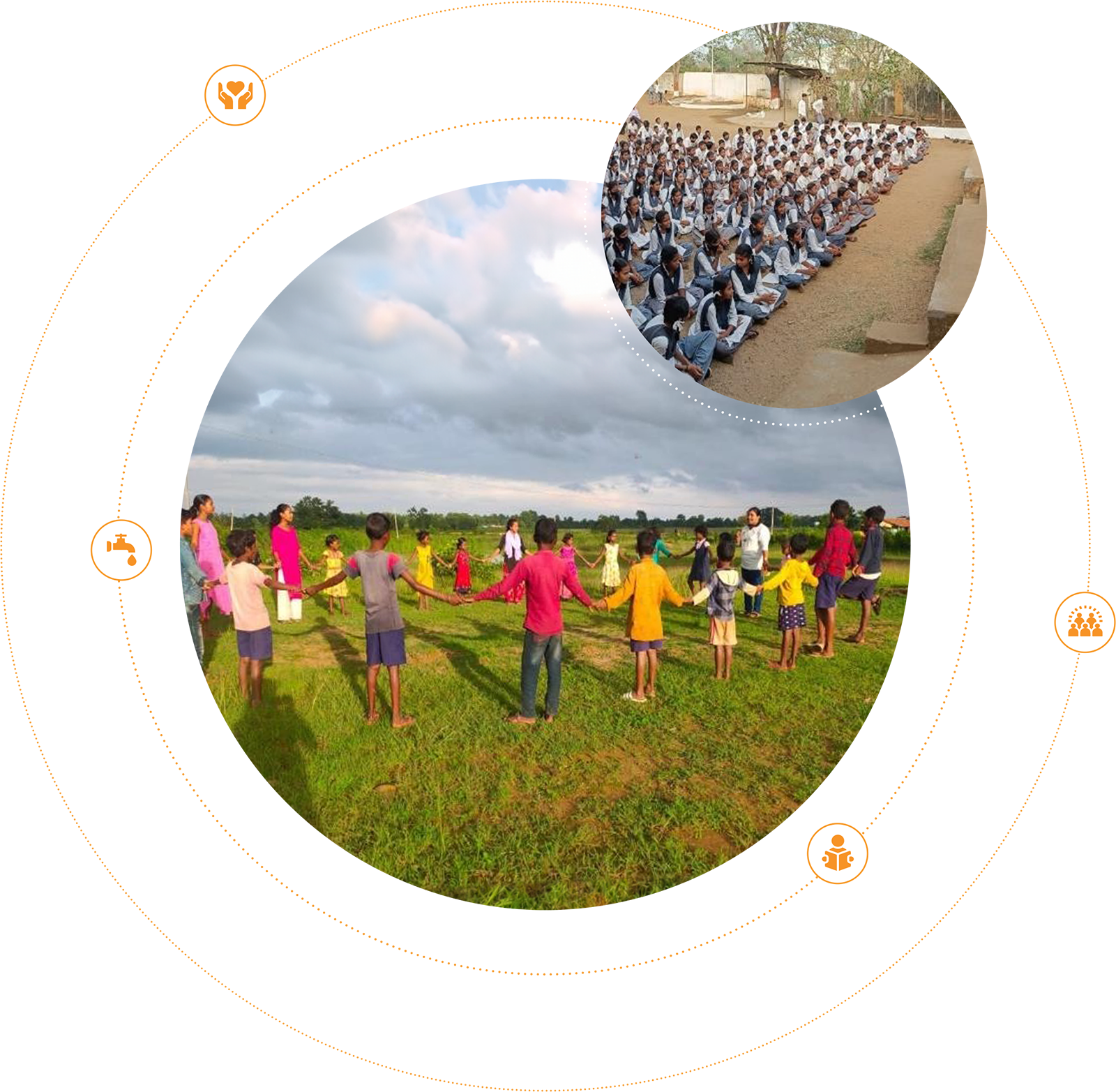
We are dedicated to fostering a diverse, inclusive, and vibrant environment that inspires all our stakeholders. Our social investments are centred on empowering the communities where we operate.

Social Capital
Aligned with the Tata Group’s CSR philosophy, we are steadfast in promoting the holistic well-being of the communities where we operate.
Communities
Our CSR Vision
To improve the quality of lives of the community in the identified geography of Tata Projects CSR operations with a focus on women, youth, children, and the affirmative action community.
Our CSR Mission
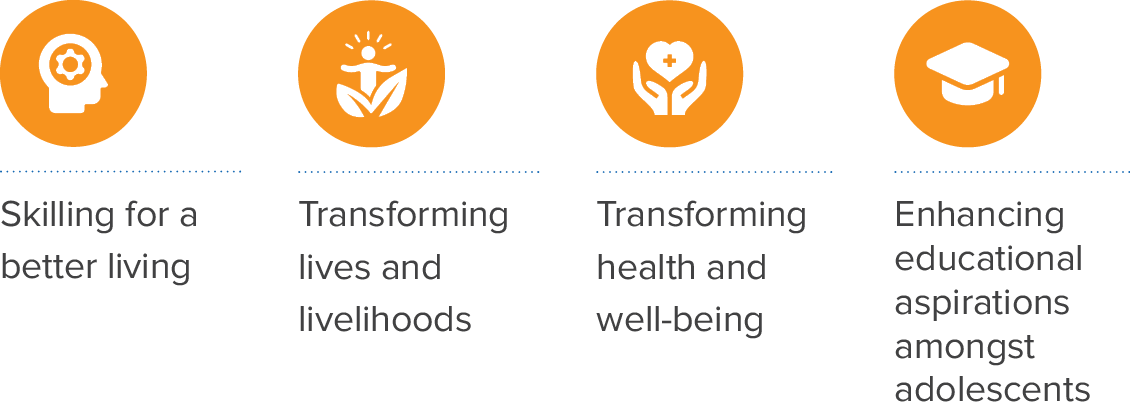
To work with identified communities on four focus areas: (i) Education (ii) Health and Hygiene (iii) Skill Building & Livelihood and (iv) Water. These four focus areas aim at addressing the key social challenges to enable positive and sustainable change in the lives of key communities.
CSR Footprint
Our CSR Strategy
We revamped our CSR strategy by transitioning from a Trust model to becoming a funding partner for reputable NGOs to execute community support programmes. Our approach involves meticulous selection of project locations, prioritising aspirational districts and community needs. We have also identified established NGOs as our implementation partners.
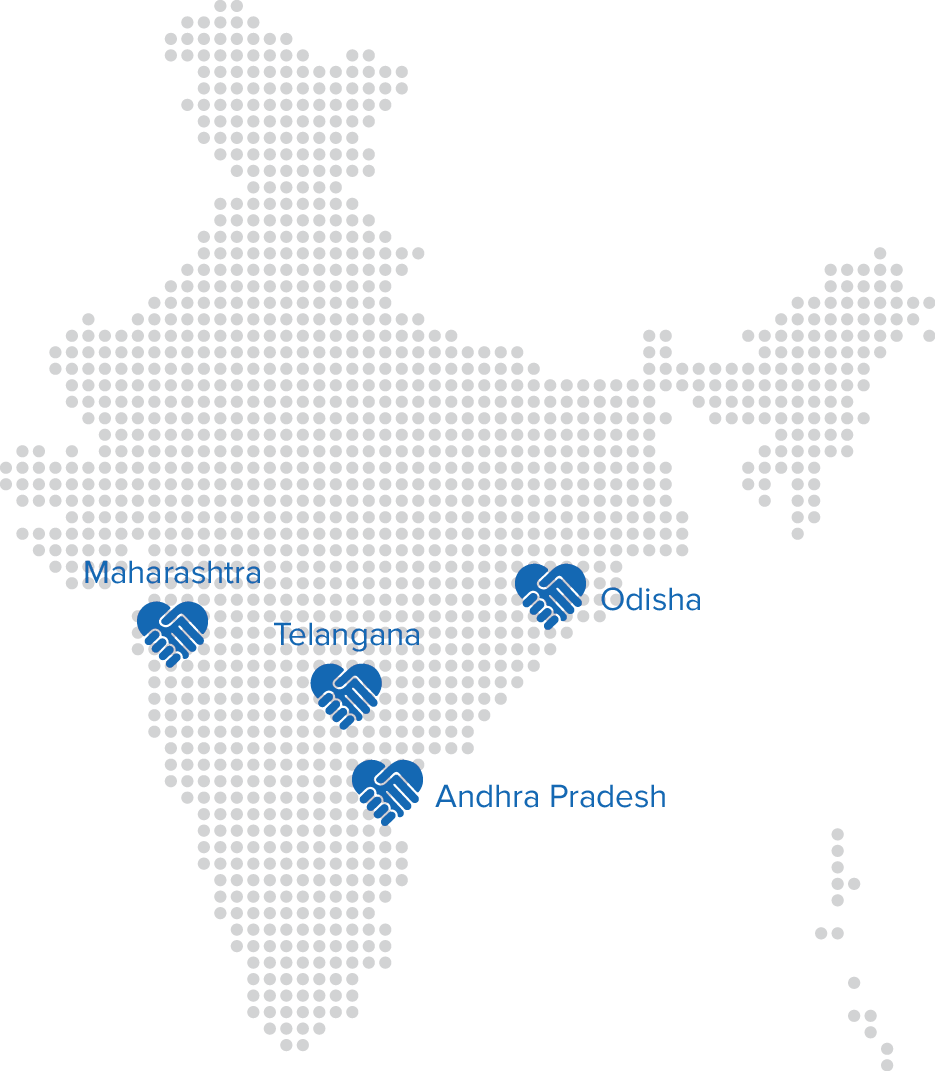
Our CSR strategy focuses on forging enduring partnerships with local communities and NGOs in four states, emphasising interventions in health, education, and water for long-term sustainability.
Elevating Lives Through Purposeful Partnerships

Water and Climate Change
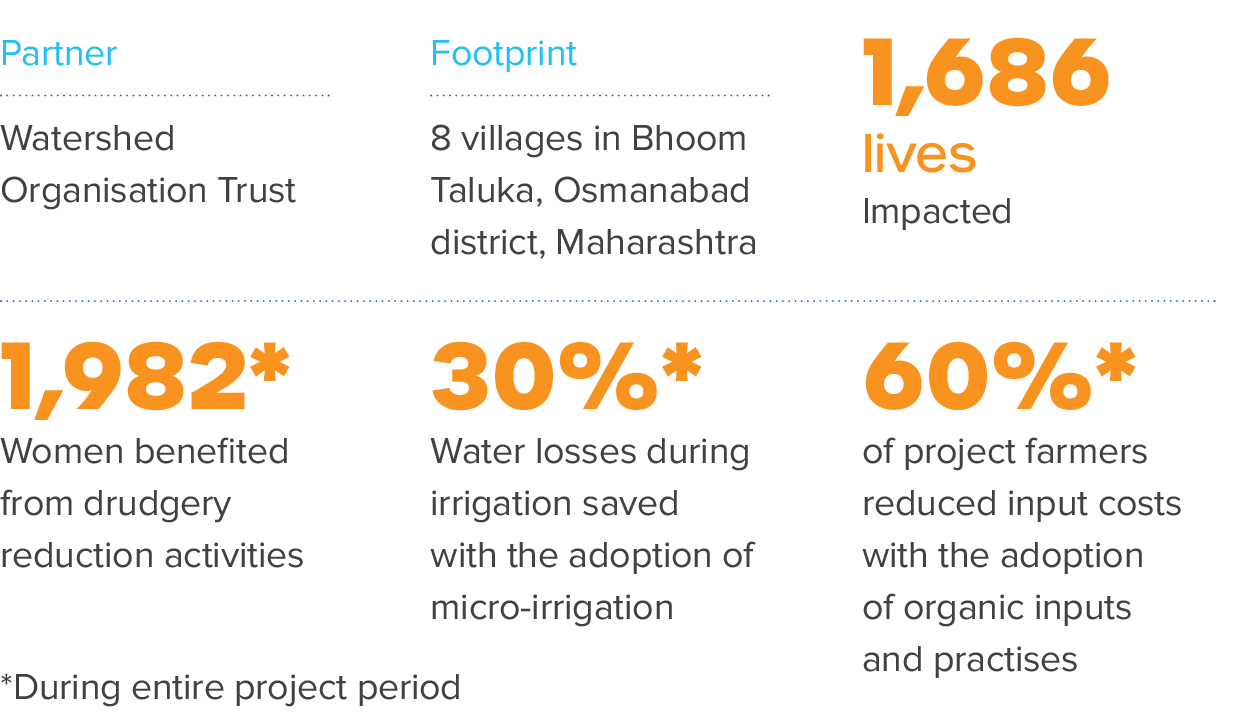
Partner: Watershed Organisation Trust (WOTR)
Purpose: To tackle the cause of rural poverty and rejuvenate rural communities and ecosystems in which they live

Health and Hygiene
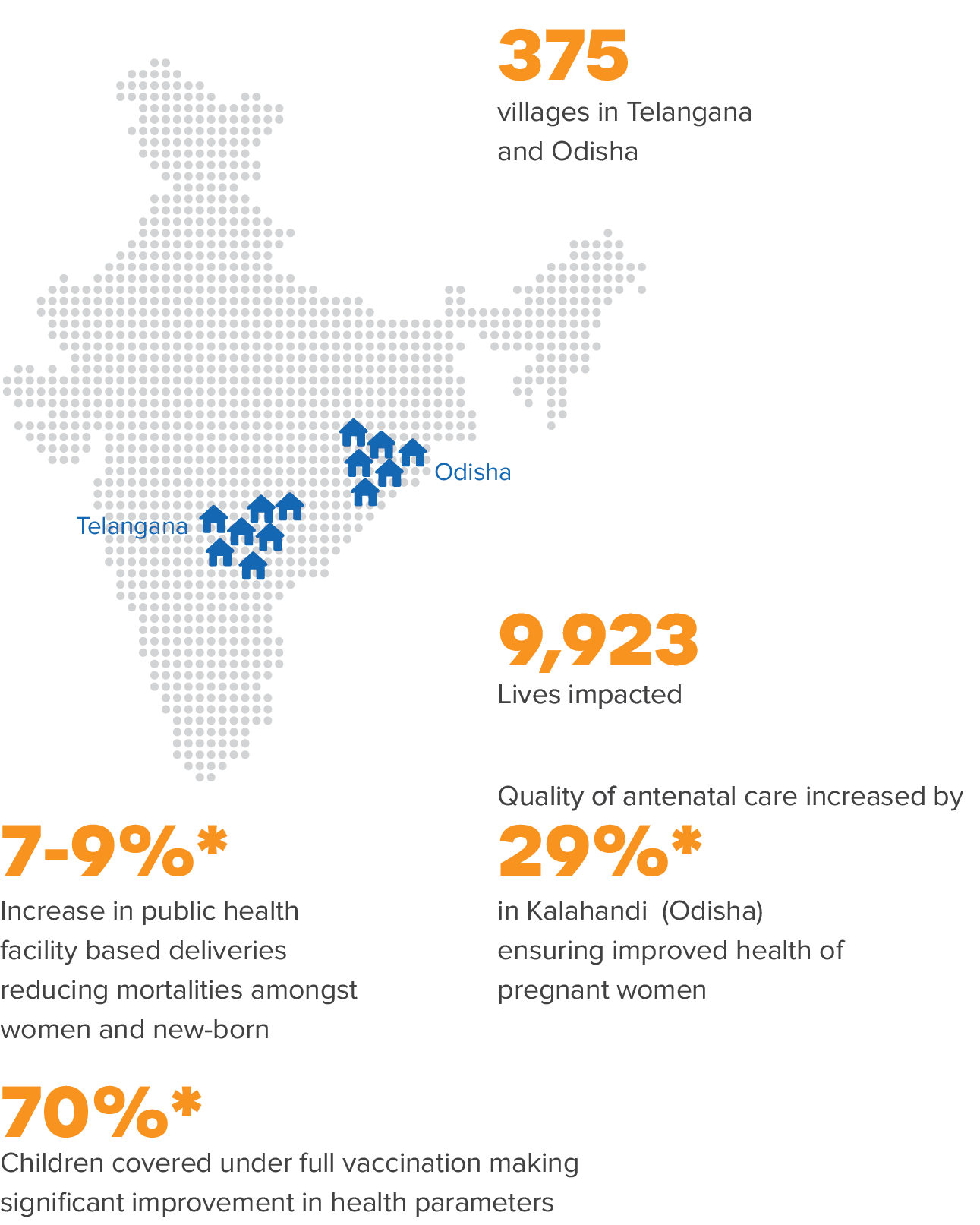
Partner: CARE India Solutions for Sustainable Development
Purpose: To reduce mortality rates and enhance maternal and child health parameters

Education
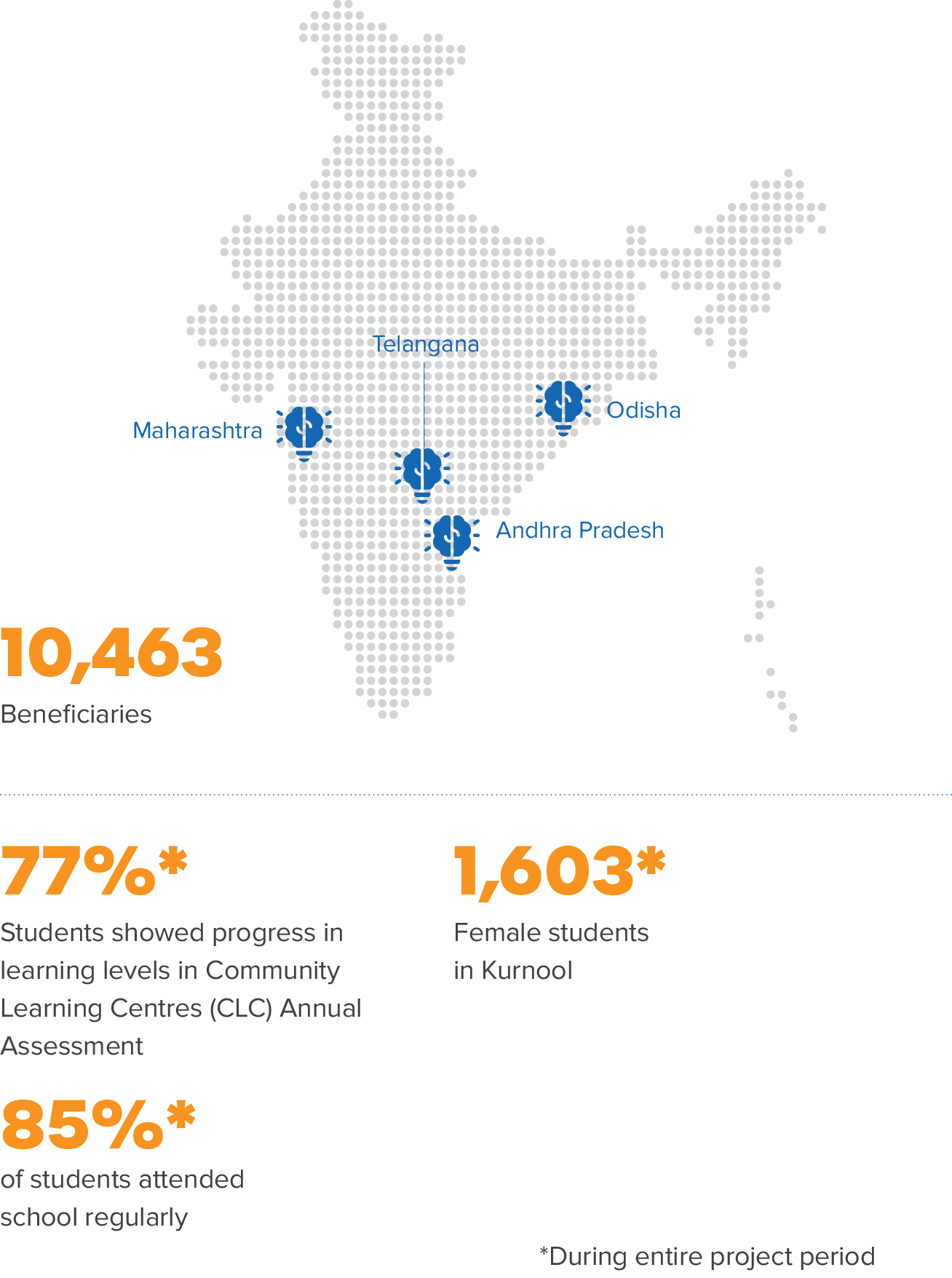
Partner: Magic Bus India Foundation
Purpose: To enhance educational aspirations of adolescents through improved academic performance, school regularity, and life skills sessions
Focus Areas
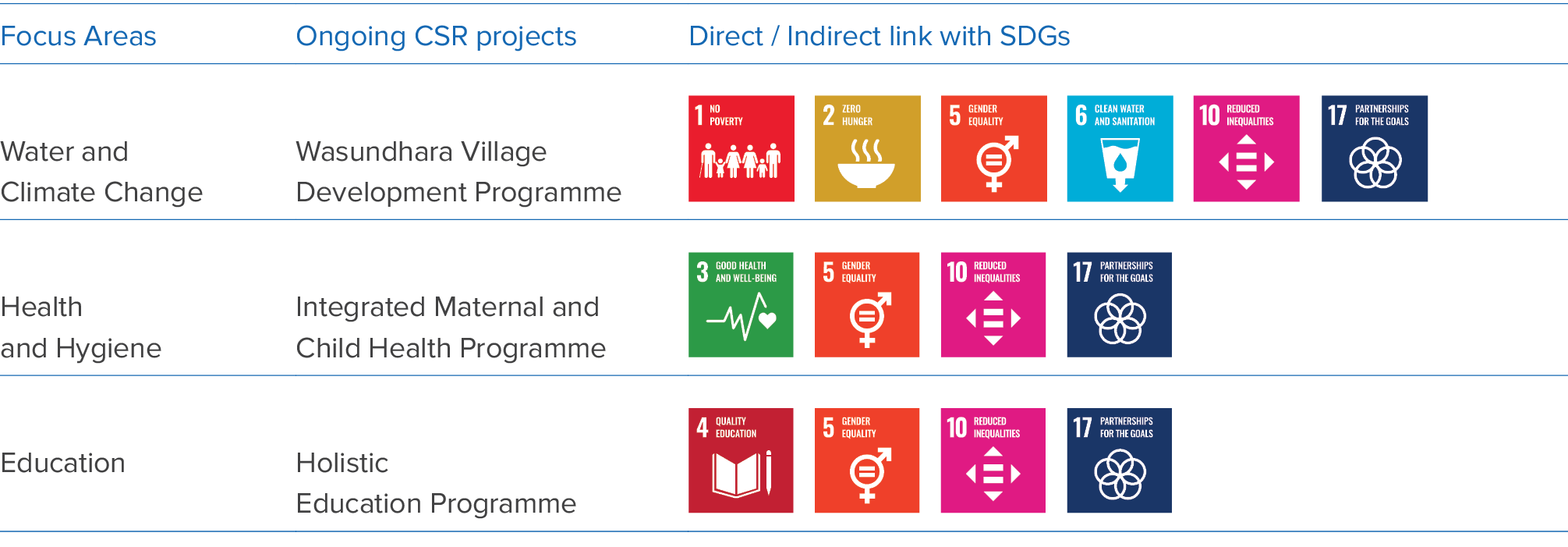

Water and Climate Change Adaptation Project
Objectives
Enhance local ecosystem productivity through watershed principles
Establish irrigation facilities for impoverished families and advocate sustainable water usage
Promote climate-resilient agricultural strategies to restore soil and control erosion
Capacitate rural communities for effective resource management through group formations
Introduced kitchen gardens to 40 new women farmers, enabling them to cultivate vegetables with organic inputs for self-consumption
Four health camps were conducted under the programme to raise awareness about the importance of nutrition and balanced diets.
Key Interventions

Soil Water Conservation: Watershed development via afforestation, compartment bunding, farm ponds, etc.

Water Resource Development: Creating water harvesting structures like gabion structures, loose boulder structures, etc.

Climate-Resilient Agriculture: Promoting organic manures, fertilisers, insecticides, and pesticides; crop demonstrations; and training on effective agricultural practices.

Community Development: Awareness events, gender equality training, forming and nurturing village development committees, women SHGs.
Holistic Education
Objectives
Enhance school attendance by addressing barriers hindering adolescents’ access to education
Boost adolescents’ interest and confidence in learning
Improve educational aspirations by fostering a supportive ecosystem for education and livelihood choices
Reduce school dropout rates
Key Interventions

Life Skills Education: On topics such as self-efficacy, resilience, and aspiration

Academic Support: Enhancing students’ ability to achieve grade-level proficiency

Community Connect: Mobilising community stakeholders – parents, School Management Committees, teachers, and headmasters, to enable a supportive environment for learning
Partner
Magic Bus India Foundation
Footprint
Health & Hygiene
Integrated Maternal and Child Health Project
Objectives
To enhance maternal and child healthcare in Odisha and Telangana
Strengthen ICDS / Health services for broader community access to health and nutrition services, targeting better RMNCHA outcomes
Improve facilities at Primary Health Centres and Anganwadi Centres, focusing on water, sanitation, neonatal care, and service provider kits
Increase community awareness to promote safe maternal and child health behaviours
Key Interventions
- Enabling access for pregnant and lactating women to government services
- Ensuring necessary care interventions for newborns and children under 2 years
- Enabling adolescent girls to access and consume WIFS to maintain HB levels; and raising awareness on nutrition, menstrual hygiene, and gender-based violence
- Improving village WaSH conditions through awareness events and participatory drives
- The project included mentoring 14 doctors and 55 nurses to improve clinical practices, documentation, and the maintenance of safe and hygienic environments in healthcare facilities
- As the project neared completion, emphasis was placed on building the capacities of community leaders to continue health interventions.
- Village and block-level interface meetings were held to facilitate a smooth handover to the community and relevant government stakeholders.
Partner
CARE India Solutions for Sustainable Development
Footprint
Empowering Our Employees to Make a Difference
Our employees actively engage in volunteering initiatives focused on waste reduction, repurposing materials from project sites for community structures and services, and championing environmental conservation efforts.
2,068
Unique volunteers
337
Activities
17,698
Hours
15,507
Lives impacted
Volunteering Activities for Tata Projects Employees
Corporate Office

Blood donation drives

Mid-day meal distribution

Lake clean-up (among others)
Project Sites

Blood donation

Beach clean-up

Tree plantation (among others)
Other CSR Initiatives
- Mid-Day Meals: Supported Akshaya Patra Foundation to provide mid-day meals to 4,254 students in select government schools.
- School Facilities: Reconstructed toilets at Sutariguda School in Medchal Mandal, Telangana, benefiting 111 children.
- Community Support: Distributed 28 electric induction heaters to local villagers at the IOCL Vadodara site.
- Sustainable Construction Practices: Promoted sustainable construction practices through models made from metal scraps, showcased at the Rambhau Mhalgi Prabodhini’s Sushasan Mahotsav 2024, highlighting projects like the New Parliament Building and Puri Temple project.
Relationship Capital
Our Relationship Capital thrives on the network of connections we maintain with stakeholders, including customers, suppliers, employees, and shareholders. These connections form a solid foundation that helps us navigate through difficult times.
We operate as 'ONE TATA,' harnessing the power of group dynamics and bolstering our reputation as a trusted long-term partner. We collaborate with other Tata Group entities on infrastructure projects and extend our expertise to companies where Tata Projects serves as the project delivery partner.
Customers

Being a customer-centric organisation

Supporting customers in their sustainability initiatives and achieving carbon neutrality

Customer Assessment Feedback Score

Quality Compliance Index Score

Customer issued NCs

Customer training as a business advantage and lever to position Tata Projects as knowledge partners

Building a Quality Culture
| Initiatives Taken (FY2024) | Key Purpose |
| Quarterly customer feedback on quality | To identify gaps and improve overall customer satisfaction |
| Review of quality Enterprise Performance Management (EPM) process | To make revisions based on the new TQDigilytics platform and business requirements |
| Vendor audit | To check the performance of key vendors in consultation with SCM |
| Sharing Dos and Don’ts through Daily Quality Triggers | To share best practices across all project sites |
| Quality Compliance Index | To assess the quality parameters’ implementation at all project sites |
| Internal audits | To check the compliance level of Integrated Management System (IMS) process |

Suppliers
Driving Sustainability in the Supply Chain
A sustainable supply chain for an Engineering, Procurement, and Construction (EPC) company involves integrating environmental, social, and economic considerations into the procurement and management of materials, resources, and services throughout the project lifecycle. The key aspects are as follows:

Supplier Selection
Prioritise suppliers and vendors who champion sustainability in their operations, including promoting business with green vendors. Assess their environmental policies, social impact, and adherence to ethical standards.

Green Materials
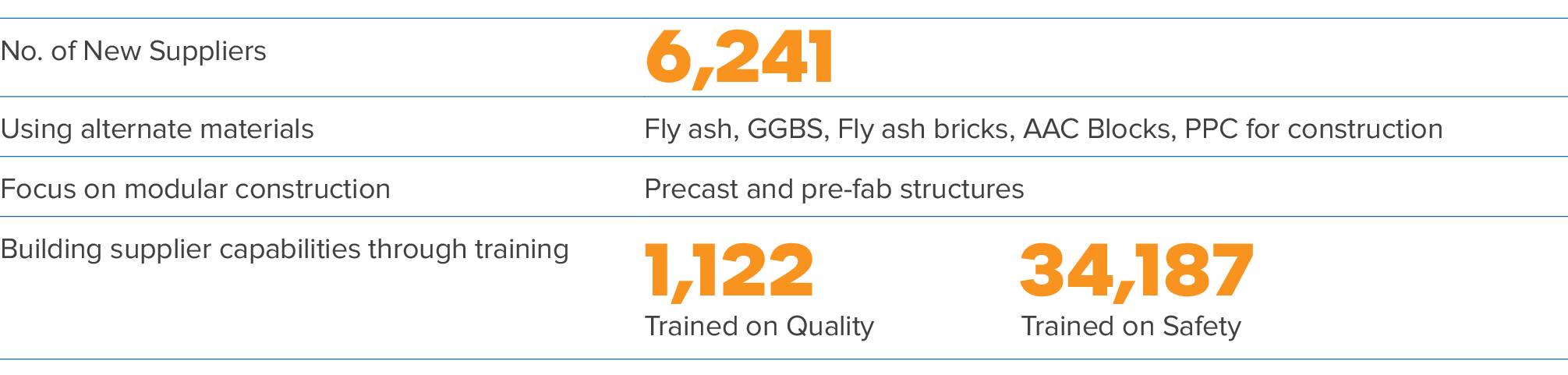
Source materials and products that are environmentally friendly, such as recycled or renewable materials. This includes using alternative materials like Fly ash & GGBS and employing energy-efficient equipment.

Energy Efficiency
Optimise energy use throughout the supply chain by selecting energy-efficient equipment, implementing renewable energy solutions where feasible, and reducing energy consumption during construction and transportation.

Waste Management
Develop strategies for minimising waste generation, recycling materials, and responsibly disposing of waste. Implement a circular economy approach where possible.

Transportation and Logistics
Optimise transportation routes to reduce emissions and fuel consumption. Use low-emission vehicles, consolidate shipments, and consider local sourcing to minimise transportation impacts.

Social Responsibility
Ensure fair labour practices, safe working conditions, and respect for human rights across the supply chain. Engage with suppliers to promote social responsibility and ethical conduct.

Continuous Improvement
Organise training to institutionalise the green approach, implement improvement initiatives, and encourage innovation in sustainable practices.
In Tata Projects Limited’s procurement strategy, 'local suppliers' are defined based on geographic proximity to the project sites and operational areas.
Local Suppliers:
Suppliers that operate within the same state or region where the project is being executed. Vendors located in the towns surrounding our area of operations, offices and project sites.
Vendor Compliance and Societal Responsibility
All our vendor partners are aligned to our general terms & conditions (during award of order to them), which cover the statutory compliances, Tata Code of Conduct, where we largely cover ethical behaviour, workmen related acts and the compliances, human rights aspects, child workers prohibition, equal opportunity etc. We also have as part of our societal responses the emphasise on increasing procurement from MSME vendors, Affirmative Action Programme deployed in line with TATA Policy.
| Year | No of Vendors | Value Purchase ` in Cr |
| FY2022 | 16,024 | 12,873 |
| FY2023 | 14,868 | 15,296 |
| FY2024 | 11,225 | 18,495 |
Vendor Engagement
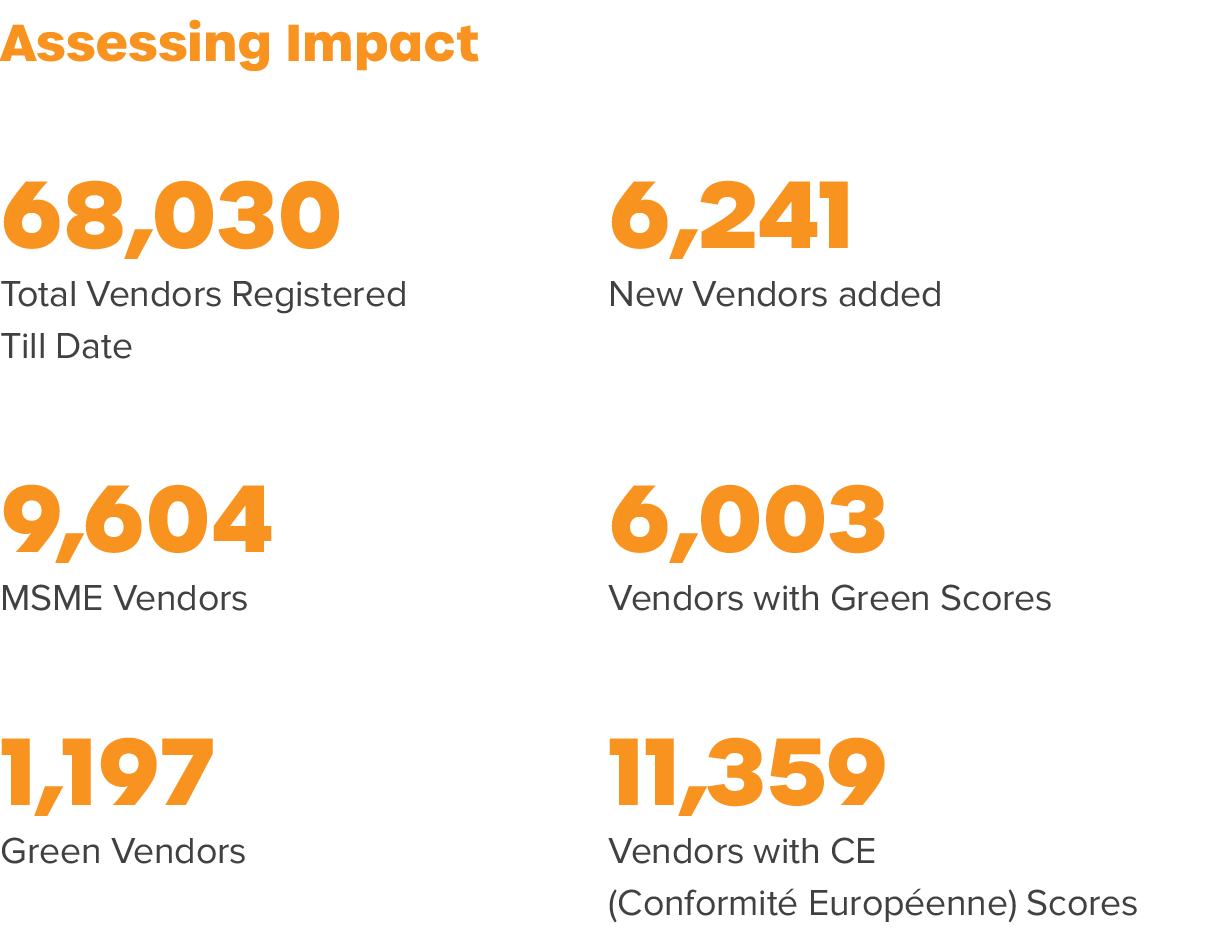
We identified and assessed green vendors, with a total of 1,197 vendors recognised and orders worth INR 897 crore placed with them. This represents 6% of our overall orders. In FY24 alone, 162 new vendors were added to this initiative, underscoring our commitment to sustainable procurement practices. We are currently revising our green vendor assessment process to incorporate all parameters of Environmental, Social, and Governance (ESG) criteria, ensuring a more comprehensive evaluation and commitment to sustainability.
Strengthening Awareness on Safety and Environment
For our subcontractors, we conduct on-site training sessions that emphasise safety and environmental considerations. With suppliers, the General Conditions of Contract (GCC) shared include clauses dedicated to safety and environmental standards.
We partnered with an online marketplace, Moglix, for site procurement and are expanding to Amazon’s wholesale marketplace to foster competition and secure competitive prices. Through M-Junction, we ensure transparent scrap disposal. We also engage in demand aggregation to efficiently plan procurement activities based on short-and long-term business requirements. For certain procurements, our negotiations are conducted through online tendering and reverse auctions.
Social Accountability
Tata Projects is in the process of getting certified under SA 8000 (by Social Accountability International), and vendors will be directed to comply with its requirements.
Responsible Sourcing
We have formed a model which rates the vendors’ environment friendliness and assigns a Green Score. We prioritise sustainable sourcing and procurement practices, while remaining flexible to accommodate our clients’ specific needs and preferences.
Reducing the Supply Chain’s Impact on the Environment
Leveraging sustainable procurement opportunities, like sourcing steel from manufacturers using recycled raw materials
Evaluating vendors based on environmental friendliness, with Green Score integrated into the system
Monitoring fuel usage and utilising alternate fuels at sites
Piloting Bio High Speed Diesel (HSD)
Implementing electronic document delivery to reduce paper usage
Encouraging the use of electric vehicles (EVs)
Operations and suppliers at significant risk for incidents of child labour
We, at Tata Projects have a code of conduct, which is a part of GCC and highlights compliance with child labour norms.
Operations and suppliers at significant risk for incidents of forced or compulsory labour
We have a code of conduct that is part of GCC and highlights compliance with child labour norms.
| Description | FY2023 | FY2024 | ||
| Total Purchase Orders Generated (in Cr) | Contribution of total purchase orders | Total Purchase Orders Generated (in Cr) | Contribution of total purchased orders | |
| Total Purchase | ` 15,592 | - | ` 26,630 | - |
| Purchase through Green vendor | ` 897 | 6% | ` 2,232 | 8% |
| Purchase through MSME vendor | ` 1,548 | 10% | ` 4,371 | 16% |
Negative Environmental Impacts in the Supply Chain and Actions Taken
Negative social impacts in the supply chain can significantly affect Engineering, Procurement, and Construction (EPC) companies like Tata Projects, given the complex nature of their projects involving multiple stakeholders. Here are some common negative social impacts within the EPC supply chain, along with actions to address them:

Poor Working Conditions
EPC projects often involve labour-intensive work in challenging environments. We ensure fair working conditions by implementing strict labour standards in subcontractor contracts, conducting regular compliance audits, providing safety and health training, and establishing grievance mechanisms.

Exploitation of Labour
We have a robust code of conduct to prevent labour exploitation, including forced labour or child labour. We engage with subcontractors and suppliers to ensure proper hiring practices, verify age and eligibility to work.

Environmental Degradation
EPC projects can impact the environment through construction activities. We adopt sustainable practices such as using alternate or eco-friendly materials, implementing waste management and recycling programmes, and investing in green technologies for energy efficiency.

Health and Safety
Safety is paramount at Tata Projects due to the high-risk nature of construction activities. We prioritise occupational health and safety by implementing strict protocols, providing appropriate personal protective equipment (PPE), conducting regular training and drills, and ensuring access to medical facilities and emergency response procedures.

